New - 15 Mins Ago

.jpg)


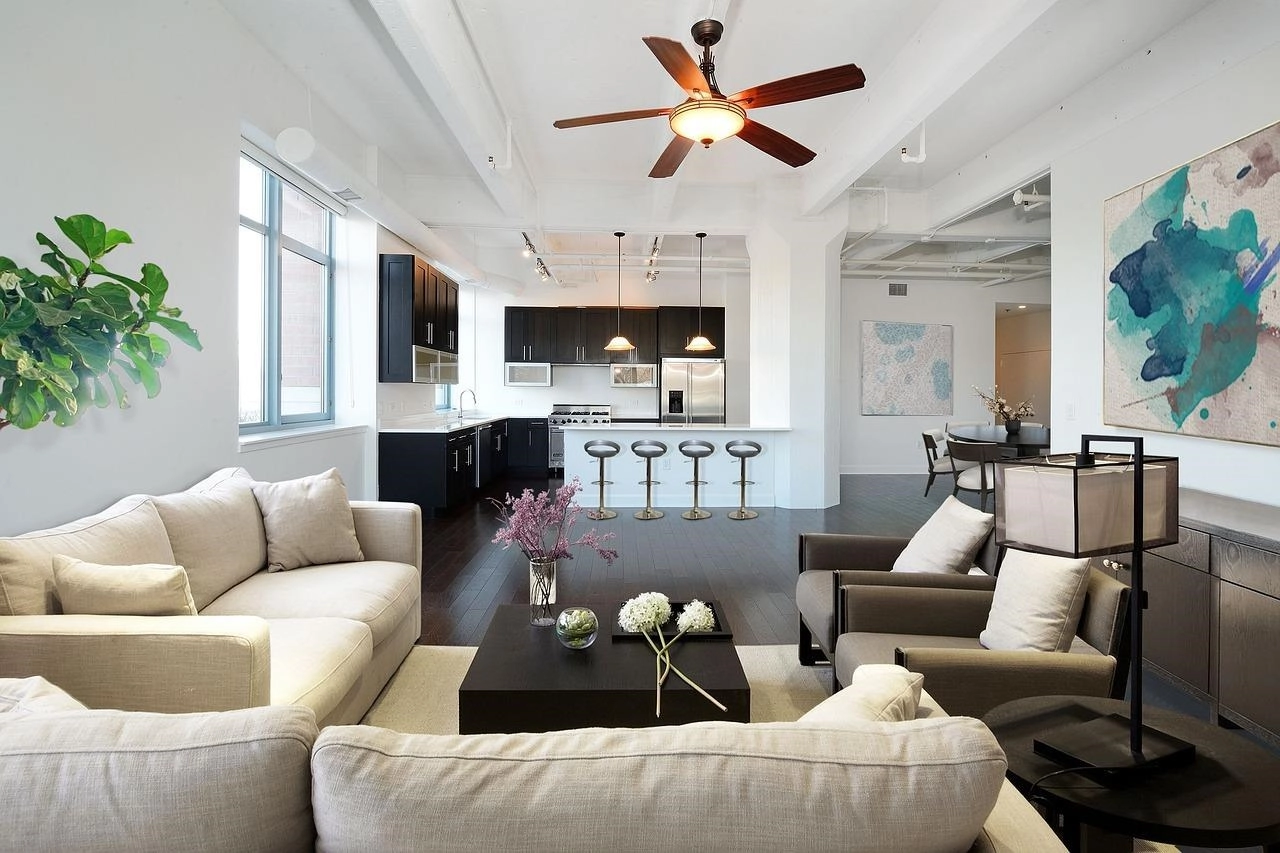
Buyers of new construction homes in the Denver metro ask for five things before anything else: a roof and exterior built for hail and high-altitude sun, a basement that is radon-ready and expansion-proof, an HVAC and smart-home package sized for 5,280 feet, a floor plan with a real work-from-home room, and a clear number for the metro-district tax bill. This guide explains each one in Colorado terms, with prices, so you know what to ask the builder and what to walk away from.
Attached new construction (townhomes and paired homes) in Aurora, Thornton, Commerce City and Parker sells from $400,000 to $550,000. Detached new homes in the same cities start in the mid $500,000s and run to $850,000 for a 3,000 square foot two-story with a three-car garage. Castle Rock, Castle Pines and Lone Tree new homes run $700,000 to $1.5 million. Northern Colorado new construction in Windsor, Johnstown and Frederick starts $80,000 to $120,000 below the equivalent Denver-metro home.
Builders quote a base price, then add a lot premium ($5,000 to $60,000 for walkouts and views), design-center upgrades and the metro-district mill levy. Ask for the total, not the base. The new construction homes by area page lists active communities city by city with current base prices.
The Front Range sits in the part of the country insurers call Hail Alley. Hail season runs May to September, and a single storm in Arapahoe or Douglas County damages thousands of roofs. Colorado buyers ask three questions about a new roof:
Ask the builder for the shingle brand and class in writing. Read the full roof section in Roof Replacement in Colorado: Costs, Lifespan, and Best Materials before you sign the purchase agreement.
Most of the Colorado Front Range is in EPA Radon Zone 1, the highest-potential zone. Roughly half of Colorado homes test above the EPA action level of 4.0 picocuries per liter. Colorado buyers now expect a passive radon rough-in (a sealed pipe from under the slab through the roof) in every new home. Converting a passive system to an active one with a fan costs $400 to $900. Retrofitting a home with no rough-in costs $1,200 to $2,500.
Test the home after closing even if the builder says it is mitigated: $15 to $30 for a kit, $150 to $250 for a professional test.
The second basement question is soil. Expansive bentonite clay under Denver, Aurora, Parker, Castle Rock and Highlands Ranch swells when wet and shrinks when dry, and it moves foundations. Builders in these counties pull a soils report for every lot and build to it. Ask which of these the home uses:
Keep the soil sloped away from the foundation, sprinklers 5 feet from the walls and downspouts extended 5 feet. Most foundation claims in the first five years trace back to a flower bed watered against the house.
Gas furnaces lose about 4% of their rated output for every 1,000 feet of elevation, so a furnace sized for Kansas City is 20% short in Denver. Ask for the Manual J load calculation and confirm the furnace and air conditioner were sized from it.
Denver now sees 30 to 50 days above 90 degrees each summer. Central air conditioning is standard in new construction across the metro; a heat pump that heats and cools is the growing choice because Xcel Energy rebates cover part of the cost and Colorado's 2021-based model energy code requires new homes to be electric-ready and solar-ready. Buyers ask for:
Read the Denver utility providers and costs guide for what an Xcel bill looks like in a 2,500 square foot new home.
The Denver metro has one of the highest shares of remote and hybrid workers in the country, and buyers ask for a room with a door on the main level, not a loft alcove. Nearly every Front Range plan built since 2021 offers a main-floor study and a flex room upstairs.
What Colorado buyers ask for in the plan itself:
A full unfinished basement is standard in Front Range detached new construction and adds 800 to 1,500 square feet. Builders quote $60,000 to $120,000 to finish it before closing and roll it into the loan; a contractor after closing charges $40 to $80 per square foot. See what buyers want in that space in What Colorado Homebuyers Want in a Finished Basement.
The feature buyers ask about most, once they have bought one new home, is the metro district. Nearly every new community in Adams, Arapahoe, Douglas and Weld counties sits inside a Title 32 metropolitan district, a taxing entity the developer created to pay for streets, water lines and parks. The district adds 30 to 70 mills to your property tax bill on top of county, city and fire district mills.
| Home price | Property tax without a metro district | Property tax with a 50-mill metro district |
|---|---|---|
| $550,000 | $2,700 to $3,300 per year | $4,500 to $5,300 per year |
| $750,000 | $3,700 to $4,500 per year | $6,100 to $7,200 per year |
| $1,000,000 | $4,900 to $6,000 per year | $8,200 to $9,600 per year |
These are ranges based on 2025 residential assessment rates and typical Front Range mill levies; the exact bill depends on the county and the district's debt. Ask the builder for the district's service plan and current total mill levy in writing, and read the Denver special district and metro district tax guide before you write an offer.
The standard Colorado builder warranty is 1-2-10: one year on workmanship and materials, two years on plumbing, electrical and HVAC systems, and ten years on major structural components. Read the structural definition; it covers load-bearing failure, not drywall cracks or nail pops. Most builders schedule a walk-through at 30 days and 11 months. Put every item in writing at the 11-month walk, because the one-year warranty ends the next month.
Keep your soils report, grading certificate and every warranty email in one folder.
Yes. The sales counselor in the model home works for the builder. The builder pays your agent from its marketing budget, and the base price does not drop when you walk in alone. Register your agent on your first visit; most builders will not add one later. The details are in Do You Need a Buyer's Agent for New Construction in Colorado? and Best Agent for New Construction Home Buyers in Colorado.
Builders offer closing-cost credits of $10,000 to $30,000 when you use their in-house lender. Take the credit only after a second lender prices the same loan. Mike Oswald, VP of Mortgage Lending at Rate, prices new construction loans for Kenna Real Estate Group buyers and issues a pre-approval that builders accept. Start with the Colorado home financing guide and the Colorado mortgage pre-approval guide.
Many of our buyers use Mike Oswald at Rate and trust him. You are free to use any lender you choose, and the Kenna Real Estate Group receives nothing for the introduction. Mike Oswald, NMLS 261003 · Rate, Inc., NMLS 2611 · Equal Housing Lender.
The largest active new-home pipelines in 2026 are in Aurora (Southshore, Painted Prairie, Harmony), Parker and unincorporated Douglas County (Sierra Ridge, Trails at Crowfoot), Castle Rock (The Meadows, Crystal Valley), Thornton and Brighton (north of 120th Avenue), Commerce City (Reunion), Erie and Frederick, and the northern Colorado corridor from Johnstown to Windsor. Explore each city here: Aurora, Parker, Castle Rock, Thornton, Erie and Windsor.
Aurora and Castle Rock restrict new front-yard turf, so builders there install xeriscape front yards and leave the back yard to you; budget $8,000 to $20,000 for it.
The Kenna Real Estate Group at Keller Williams DTC represents new construction buyers across the Front Range: we register with the builder, read the soils report and metro-district service plan, negotiate lot premiums and design-center credits, and walk the home with you at the 30-day and 11-month warranty visits. Call or text 303-955-4220. A live person answers. Not a robot, not a phone tree. You can also search every home for sale in Colorado, including new construction, right now.
Questions about any home in Colorado? Call or text 303-955-4220. A live person answers.
Yes. It costs $1,500 to $4,000 more on a 2,500 square foot home and Colorado insurers discount the premium 5% to 30%, so the upgrade pays back within four to six years before the first hail claim.
Yes. Most of the Front Range is EPA Radon Zone 1. A passive rough-in lowers the level but does not guarantee a reading under 4.0 pCi/L. Test after closing for $15 to $250 and add a fan for $400 to $900 if needed.
30 to 70 mills. On a $750,000 home that is roughly $2,400 to $2,700 more per year than the same home outside a district. The builder must give you the district's service plan and mill levy on request.
One year on workmanship, two years on plumbing, electrical and HVAC, and ten years on load-bearing structure. Document every defect in writing at the 11-month walk-through.
Expansive bentonite clay under Douglas County swells when wet. Steel cables inside a post-tension slab hold it together as the soil moves. Structural wood floors and drilled piers do the same job on lots with worse soils reports.
Yes, from their marketing budget, and the base price is the same with or without an agent. Register your agent on your first model-home visit or the builder will not add one later.
Only after a second lender prices the same loan. A $15,000 credit tied to a rate a half point higher costs more over five years than it returns at closing.
Yes. Denver sees 30 to 50 days above 90 degrees each summer and every major Front Range builder includes central air or a heat pump. Ask for a 16 SEER2 or better unit sized from a Manual J load calculation.


