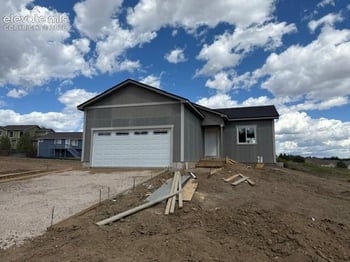
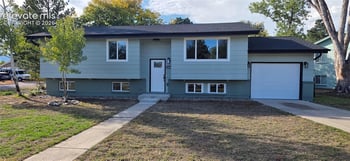
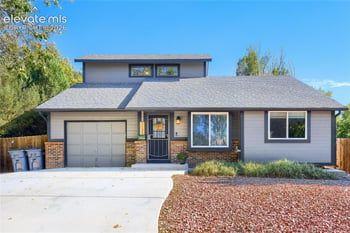
New - 30 Mins Ago
$400,000
Active
3
Beds
2
Baths
1591
Sqft
0.103
Acres
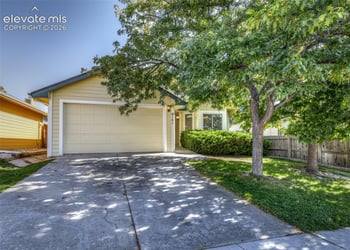
8161 Scarborough Dr, Colorado Springs, CO 80920
MLS#: 4884463
.jpg)



A one-bedroom rental on the Front Range runs roughly $1,400 to $1,900 a month in Denver, Aurora, and Lakewood, and $1,200 to $1,600 in Colorado Springs and Fort Collins, depending on the building age and whether parking and laundry are included. The unit worth signing a lease for has six things in place: in-unit laundry, a kitchen built for real cooking, a bedroom that gets morning light without baking in the afternoon sun, a bathroom that handles hard water, air conditioning, and a lease that follows Colorado's deposit rules.
Rent varies block by block. A one-bedroom in a newer building near downtown Denver, the Denver Tech Center, or the light rail corridor in Aurora and Littleton runs toward the top of the $1,400 to $1,900 range. Older buildings in Lakewood, Westminster, or Commerce City, and most units in Colorado Springs, Greeley, and Pueblo, run lower. Ask what's included: water, trash, and sewer are frequently bundled into a flat utility fee on the Front Range, while electric and gas run through Xcel Energy separately.
In-unit laundry is the single feature that separates a comfortable Front Range rental from a chore-filled one. Shared laundry rooms exist in older buildings and cost $2 to $4 a load. A stacked washer-dryer in the unit is standard in anything built after 2015 and worth paying $50 to $100 a month more to get.
Look for a full-size refrigerator, a gas or electric range with four burners, and counter space next to the stove. A dishwasher matters more here than in milder climates, since dry air makes hand-washed dishes and glassware spot faster. Storage for outdoor gear — a coat closet or a pantry deep enough for a cooler and hiking packs — is a practical feature Front Range renters look for that a listing photo rarely shows.
At 5,280 feet, UV exposure is roughly 25% stronger than at sea level, and afternoon sun through a west-facing window heats a room fast. A bedroom with east-facing or north-facing windows sleeps cooler in July and August. Ask whether the windows have low-E glass or blinds included; without them, a west-facing bedroom in a top-floor unit can run 8 to 10 degrees hotter than the rest of the apartment on a 95-degree day.
Not every older building on the Front Range has central air. Swamp coolers are common in Denver, Aurora, and Colorado Springs because the dry climate makes them effective, but they lose power during the July and August monsoon when humidity spikes. Ask specifically whether the unit has central air, a swamp cooler, or nothing, and factor a $150 to $300 portable AC unit into the budget if it's the last option.
Front Range water runs hard, which leaves mineral buildup on shower heads, faucets, and glass doors within months. A bathroom with a glass shower door versus a curtain, and a shower head rated for hard water, saves real cleaning time. Check the water pressure while touring — older buildings in Denver and Colorado Springs sometimes run low pressure on upper floors.
A balcony or patio matters most in a state that gets 300 days of sun a year. Ask whether it faces west, since afternoon sun and hail exposure both come from that direction during Colorado's hail season, which runs from spring through September. A storage closet or a dedicated storage unit in the building matters for winter gear, skis, and bikes — Front Range renters carry more seasonal equipment than renters in most states.
Covered or garage parking protects a car from Front Range hail, which is a real cost factor and not a luxury add-on here. Uncovered surface parking comes included free in most buildings; a covered spot adds $50 to $150 a month. In neighborhoods like Capitol Hill, Uptown, and older parts of Colorado Springs, street parking is the only option and a parking permit is required.
Colorado caps a security deposit at two months' rent under SB23-184, unless the landlord has a specific, documented reason to ask for more. A separate 2025 law, HB25-1249, sets rules for how a landlord has to handle returning that deposit after move-out. Read the lease's deposit section before signing and photograph the unit's condition on move-in day.
Denver, Aurora, and Colorado Springs carry the largest one-bedroom rental supply. Lakewood, Littleton, and Centennial run a tighter market with fewer listings and faster turnover. Fort Collins and Greeley rental supply shifts with the university calendar, so timing a search around August and January openings helps.
A one-bedroom condo payment on the Front Range lands close to what a comparable one-bedroom rental costs once a renter has 5% to 10% down and a stable income history. The math depends on HOA dues, property tax, and current mortgage rates, which is exactly what a lender runs before a renter commits either way. Anyone renting a one-bedroom today who wants to know what buying would actually cost can search every home for sale in Colorado and compare real listings against their current rent.
A rent-to-own agreement lets a renter lock in a purchase price now and apply part of the monthly rent toward a future down payment, which helps a renter who needs more time to save or build credit before qualifying for a mortgage. Denver, Colorado Springs, Aurora, and Greeley all have rent-to-own listings worth reviewing before signing a standard one-year lease.
Spring through August is the busiest rental stretch in Denver, Aurora, and Fort Collins, driven by summer moves and the university calendar. Inventory is widest then, but so is competition, and rents run 5% to 10% higher than the winter months. A renter with flexible timing gets more negotiating room on rent and move-in concessions between November and February, when fewer people are moving.
A local move within the Denver metro with a small crew runs $400 to $900 for a one-bedroom's worth of furniture. Add $150 to $300 if the move happens during hail season and outdoor furniture needs tarping and quick loading. Renters moving from outside Colorado should budget an extra day for altitude adjustment before heavy lifting — boxes feel heavier at 5,280 feet until the body adjusts to the thinner air.
The gap between rent and a mortgage payment is mostly the deposit and closing costs, not the monthly number itself. A renter who wants a real answer instead of a rough guess can run a mortgage pre-approval, which prices out exact numbers based on current rates, savings, and income — in less time than it takes to renew a lease.
Whether a one-bedroom rental is a short-term stop or the last one before a first home purchase, the Kenna Real Estate Group tracks Front Range inventory across every price point and can lay out what buying would cost compared to a current lease. Call or text 303-955-4220. A live person answers. Not a robot, not a phone tree. Ready to compare the numbers? Search every home for sale in Colorado.
Questions about any home in Colorado? Call or text 303-955-4220. A live person answers.
Most one-bedroom units in Denver, Aurora, and Lakewood run $1,400 to $1,900 a month, with older buildings and units farther from the light rail running toward the lower end.
Yes. SB23-184 caps a standard security deposit at two months' rent, and a 2025 law, HB25-1249, sets additional rules for how a landlord returns it after move-out.
Many older buildings rely on swamp coolers instead of central air, which works well in Colorado's dry climate but loses effectiveness during the humid stretch of the summer monsoon.
Front Range hail season runs from spring through September, and an uncovered car parked outside during a hailstorm can take thousands of dollars in body damage.
A rented house comes with a yard, a garage, and full privacy but requires the renter to handle snow removal and yard watering under local water rules; an apartment shifts that work to the building.
Yes, $1,200 to $1,600 a month versus $1,400 to $1,900 in Denver, though the gap narrows for newer buildings close to downtown Colorado Springs.
Rent-to-own lets a renter lock a purchase price today and apply part of each month's rent toward a future down payment; Denver, Aurora, Colorado Springs, and Greeley all have active rent-to-own listings.
Once a renter has 5% to 10% saved for a down payment and steady income, a starter condo payment frequently lands close to comparable rent, which makes a mortgage pre-approval worth running before signing another lease.