New - 12 Hours Ago
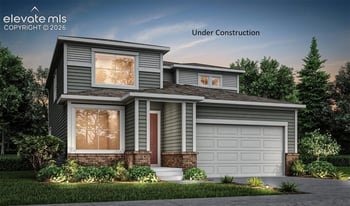
$489,900
Active
5
Beds
3
Baths
2376
Sqft
0.0917
Acres
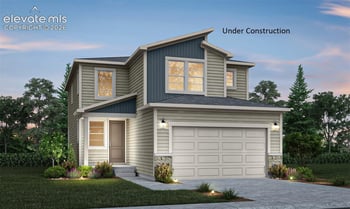
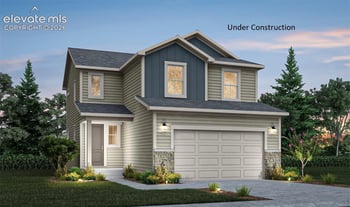
12021 Lake Trout Dr, Colorado Springs, CO 80925
MLS#: 7024111
.jpg)


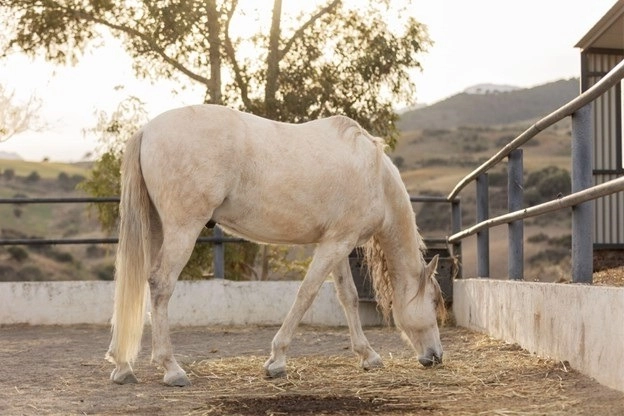
Buying a horse property in Colorado starts with land, water, and zoning, in that order, because a beautiful barn on a lot without enough acreage or a reliable water source turns into an expensive problem within the first year. The Denver metro area and the wider Front Range still carry real horse property inventory, from small acreage lots inside county lines to full equestrian setups near Parker, Castle Rock, and Colorado Springs.
A common rule of thumb for Colorado's dry pastureland is one to two acres of usable grazing land per horse, though the right number depends on how much of that land is irrigated, how much hay gets supplemented, and how many horses share the same pasture rotation. Many Front Range counties also set their own minimum lot size or animal-unit rules for keeping horses on residential land, so confirm the specific parcel's zoning before assuming a smaller lot qualifies.
Colorado water law ties water rights to the land and the specific historical use, and a horse property's irrigation water is not automatically included just because a pond or ditch runs through the property. Buyers should confirm what water rights transfer with the sale, whether a well is permitted for livestock use, and whether an irrigation ditch company assesses annual fees, since all three affect whether pasture actually stays green through a Colorado summer.
A well permit in Colorado specifies its approved use, and a domestic well permit does not automatically cover watering livestock at scale. Buyers planning to keep more than a couple of horses should confirm the well's permitted use with the state engineer's office before closing, since re-permitting a well for livestock use after the fact can take time and is not assured.
Douglas, Elbert, Weld, El Paso, and Larimer counties all carry active horse property inventory, and each sets its own zoning categories, setback rules, and animal-unit limits for agricultural or residential-agricultural parcels. A property inside city limits, such as parts of Aurora or unincorporated Adams County, carries different horse-keeping rules than a similar-looking lot just outside city boundaries, so check zoning at the parcel level rather than assuming based on the area.
Wood rail, vinyl, and high-tensile electric fencing all work on the Front Range, but wind load and freeze-thaw ground movement are the two conditions that break fencing here more than anywhere else. Setting posts below the frost line and choosing a fence style rated for Colorado's wind gusts saves on repair costs after the first serious spring storm.
A three-sided run-in shed facing away from prevailing winter winds gives a horse enough protection for most Front Range winters, since horses tolerate cold better than wet, windy conditions. A fully enclosed barn adds real value and convenience for feed storage, tack, and veterinary care, but it is not always a requirement depending on the horse and the property's exposure.
Most Front Range counties require a building permit for a barn or run-in shed over a certain size, and nearly all set a minimum distance the structure must sit from a property line, well, or septic system. Confirm setback distances with the county planning office before finalizing barn placement, since moving a structure after it is built costs far more than adjusting the plan first.
A dry, rodent-resistant storage area sized for a winter's worth of hay matters on the Front Range, where hay prices and availability shift with drought conditions most years. Buyers should walk the property with hay storage specifically in mind, since a barn built without it needs a second structure added later in most cases.
Several plants common to Front Range pastures and disturbed ground, including certain milkweed varieties and some ornamental yard plants that spread from neighboring properties, are toxic to horses if grazed in quantity. A buyer should walk the pasture during the inspection period and have a knowledgeable inspector or extension office flag anything questionable before closing.
Land actively used for agricultural purposes, including grazing, can qualify for Colorado's agricultural property tax classification in some counties, which carries a lower assessment rate than residential land. Qualifying rules vary by county assessor, so confirm current requirements rather than assuming a horse property automatically qualifies.
Horse properties sit closer to open grassland or foothill terrain in many cases, which raises wildfire exposure and affects both the cost and availability of coverage. Maintaining defensible space around the home and barn, and keeping pasture grass managed rather than overgrown, helps with both wildfire risk and insurance underwriting.
| Factor | Owning horse property | Boarding at a facility |
|---|---|---|
| Upfront cost | Full purchase price of land and structures | Monthly boarding fee, no purchase |
| Daily control | Full control over feed, turnout, and schedule | Set by the boarding facility |
| Ongoing work | Fencing, pasture, and shelter upkeep fall to the owner | Handled by facility staff |
| Income potential | Can board other horses for income where zoning allows | None |
Some Front Range counties allow a horse property owner to board additional horses for income under an agricultural or home-business zoning classification, while others cap the number of horses or require a separate permit. Confirm the zoning specifics before counting on boarding income as part of the property's return.
Much of the Front Range sits on expansive clay soil that holds water and turns to deep mud in wet stretches, which can make pasture unusable and create footing problems for a horse's hooves. Grading pasture areas to shed water away from run-in sheds and gates, and adding gravel or footing material in high-traffic spots near gates and water troughs, keeps mud manageable through spring runoff.
Higher-elevation Front Range properties, including much of Douglas and Elbert counties, see a shorter growing season and drier pasture conditions than lower-elevation land closer to Denver, which affects how much supplemental hay a horse needs year-round. A buyer comparing two properties at different elevations should ask about typical hay costs and growing season length before assuming pasture alone will carry a horse through the year.
Current inventory clusters around Parker, Elizabeth, Franktown, Elbert County, and pockets of Weld and Larimer counties, alongside smaller acreage lots closer to Adams County and Aurora. Buyers can browse current listings at Colorado horse properties for sale or explore specific areas through homes in Parker and homes in Castle Rock.
The Kenna Real Estate Group’s full guide to buying a Colorado horse property covers barns, storage, and land in more depth, and the Adams County horse property roundup covers one of the closer-in options to Denver. Buyers concerned about pasture hazards for their animals should read toxic plants and grasses for horses in Colorado, and anyone looking south of Denver should read how to buy horse property and ranches in Colorado Springs and the equestrian properties guide covering Denver, Parker, and Evergreen.
The Kenna Real Estate Group helps buyers work through zoning, water rights, and fencing questions before writing an offer on a Colorado horse property, and helps current owners understand what their acreage is worth today. Call or text 303-955-4220. A live person answers. Not a robot, not a phone tree. Or search every home for sale in Colorado to start browsing Front Range acreage.
Questions about any home in Colorado? Call or text 303-955-4220. A live person answers.
A common rule of thumb on Front Range pastureland is one to two acres of usable grazing per horse, though the exact number depends on irrigation, hay supplementation, and the specific county's zoning minimums.
No; Colorado water law ties rights to specific historical use, so a buyer needs to confirm exactly what water rights transfer with the sale rather than assuming a pond or ditch means usable irrigation water.
A standard domestic well permit does not automatically cover watering livestock at scale, so buyers planning to keep several horses should confirm the well's permitted use with the state engineer's office before closing.
Douglas, Elbert, Weld, El Paso, and Larimer counties carry active inventory, alongside smaller acreage lots in parts of Adams County, and each sets its own zoning and animal-unit rules.
Wood rail, vinyl, and high-tensile electric fencing all work if posts are set below the frost line, since freeze-thaw ground movement and high wind gusts are the two conditions that damage fencing most on the Front Range.
A three-sided run-in shed facing away from prevailing winter winds gives enough protection in most cases, since horses tolerate cold better than wet, windy conditions, though a full barn adds convenience for feed and veterinary care.
Some Front Range counties allow it under agricultural or home-business zoning, while others cap the number of horses or require a separate permit, so confirm the specific zoning before counting on the income.
Land actively used for grazing can qualify for agricultural classification in some counties, which carries a lower assessment rate, but qualifying rules are set by the county assessor and vary by location.
Start with the Colorado Horse Property Buying Guide, then search every horse property for sale in Colorado.
Buying or selling horse property in Colorado? Call or text 303-955-4220. A live person answers. Not a robot, not a phone tree.