.jpg)


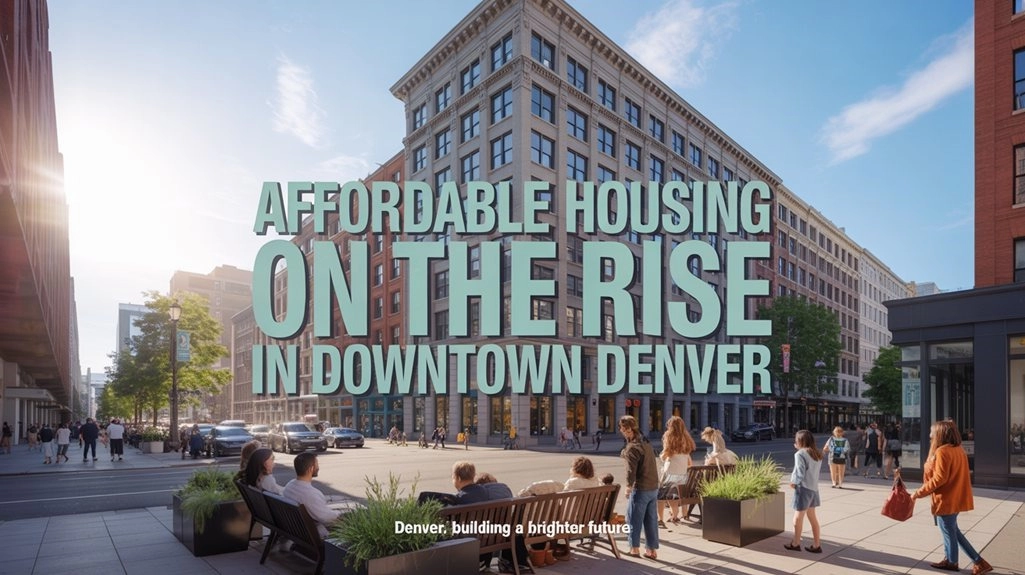
At the corner of 16th and California, where the Denver Dry Goods Building has stood for over a century, the hum of construction is changing the soundscape. Soon, this ornate landmark will hold 55 new affordable housing units—a rarity in a downtown market that’s long favored luxury lofts and high-rise condos. For those of us who’ve darted across the 16th Street Mall to catch the light rail at Union Station or strolled through LoDo after a Rockies game, the building’s revival feels personal. It’s proof that affordable living can be woven back into the heart of the city, not pushed to its edges.
Historic Roots, Modern Purpose
The Dry Goods Building wasn’t just a store—it was a destination. Shoppers from Capitol Hill to Sloan Lake made a day of shopping here, pausing for lunch at the in-house tea room or admiring the elaborate holiday window displays. As downtown retail waned, its marble columns and brass railings became the backdrop for empty space.
Now, under the guidance of Jonathan Rose Companies, the building is being reimagined. Its grand arched windows will light up kitchens instead of mannequins. Hallways that once carried the scent of perfume counters will lead to front doors. The goal? To blend preservation with purpose, creating homes that working Denverites can actually afford without stripping away the building’s history.
Part of a Bigger Housing Story
Denver’s housing affordability challenges are no secret. Over the past decade, demand outpaced supply, pushing rents higher in neighborhoods from Golden Triangle to Uptown. The city’s strategy has shifted toward adaptive reuse projects like this one—turning underused commercial buildings into residential space without starting from scratch.
Other successes, like warehouse conversions in RiNo and mixed-income lofts in Five Points, show that creative redevelopment can deliver units faster than ground-up construction. And when those homes are income-restricted, it means teachers, service industry staff, and first responders can live near their workplaces instead of facing long commutes from outlying areas.
Neighborhood Ripples: Who Benefits?
Adding affordable housing to the downtown core doesn’t just help new residents—it changes the dynamics in surrounding neighborhoods. For Union Station and LoDo, it could ease rental pressure on older apartments, helping long-time tenants stay put. In Golden Triangle, it may inspire developers to balance cultural appeal with economic diversity. And in creative districts like RiNo and Five Points, it helps preserve the mix of incomes and backgrounds that give those areas their character.
- Union Station: Transit-linked living for professionals who want a car-free commute.
- LoDo: Historic brick and timber lofts alongside nightlife and dining.
- Golden Triangle: Museums, galleries, and mixed-use developments within a 10-minute walk.
- RiNo / Five Points: Creative energy paired with long-time community roots.
Life on the Ground: Everyday Advantages
Living here means your daily life changes in subtle but powerful ways. You might swap a 45-minute drive for a 10-minute light rail ride. On Saturdays, you can wander over to the Union Station Farmers Market before brunch in Uptown. If you forget your lunch on a snowy January morning, you can slip home and be back at your desk before the coffee cools. Even errands feel easier when the grocery store is a block away and you’re not circling for parking.
And there’s a certain pride in living somewhere with a story. Maybe your front door opens onto a hallway lined with century-old molding, or your kitchen window frames the same view of the mountains that shoppers admired decades ago. That’s a kind of value you can’t measure in square footage alone.
Why Adaptive Reuse Matters for Affordability
Adaptive reuse projects like this solve multiple problems at once. They keep historic structures intact, reduce construction waste, and cut the time it takes to bring new units online. In a market as tight as Denver’s, that speed is critical.
They also signal a shift in priorities. When the city supports developers willing to include affordable units in prime locations—whether in the Civic Center district or near Jefferson Park—it sends a message: affordable housing belongs everywhere, not just on the outskirts.
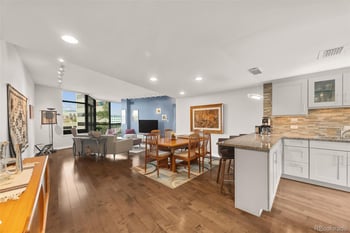
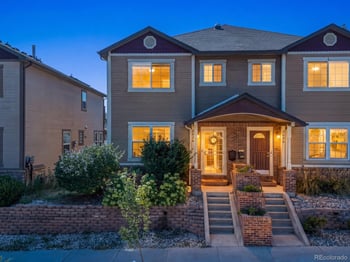
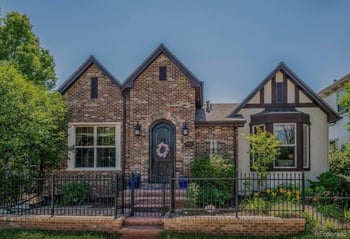
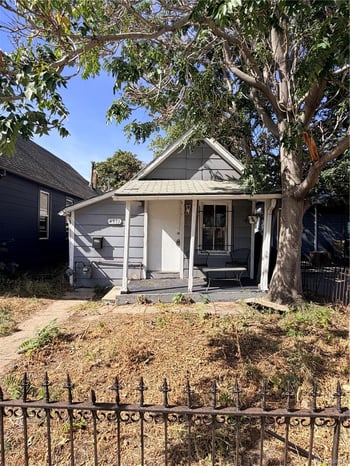
Denver Affordable Home Listings
Frequently Asked Questions About the Denver Dry Goods Affordable Housing Project
Where is the Denver Dry Goods Building located?
The building sits at 16th and California Streets in downtown Denver, right on the 16th Street Mall. It’s within a 10-minute walk of Union Station, Civic Center, and LoDo, making it a prime location for car-free living.
How many affordable units will the project add?
The redevelopment will include 55 affordable units, reserved for income-qualified residents under city guidelines. This helps keep housing accessible for people working in nearby districts like Golden Triangle, RiNo, and Capitol Hill.
Who is developing the project?
Jonathan Rose Companies is leading the redevelopment, known nationally for combining sustainable design with community-focused housing projects.
Why is adaptive reuse important for Denver’s housing affordability?
Adaptive reuse speeds up housing creation by converting existing buildings, often avoiding long zoning battles. It also preserves historic character, which matters in neighborhoods like LoDo and Union Station that attract both locals and visitors.
Will this impact surrounding neighborhoods?
Yes—affordable housing in the downtown core can ease rental pressure in nearby areas such as Golden Triangle, RiNo, Uptown, and Jefferson Park. It may also encourage similar projects in underused historic buildings.
When will the new units be available?
While an exact move-in date hasn’t been announced, projects of this scale typically take 12–18 months from groundbreaking. Interested residents should watch for application openings through the City of Denver’s affordable housing portal.