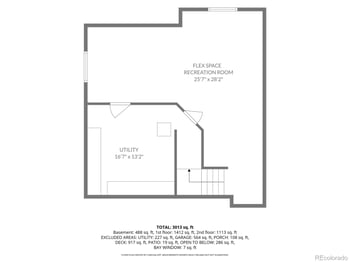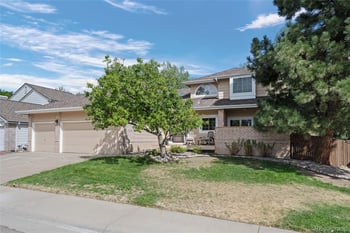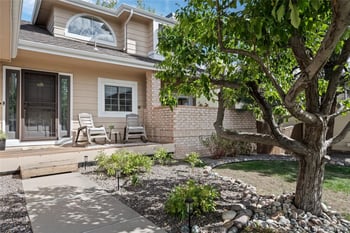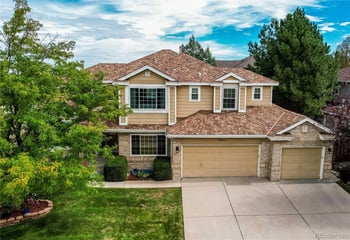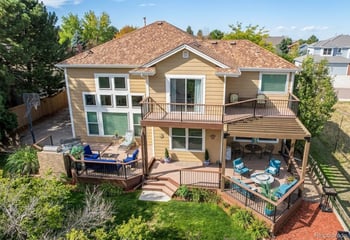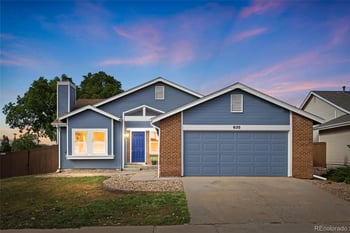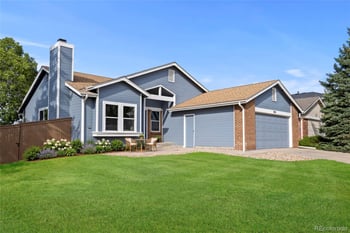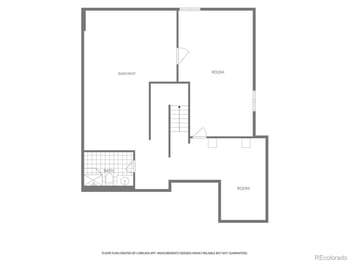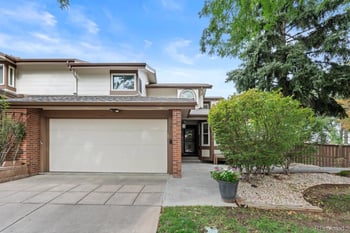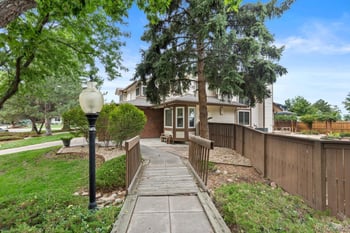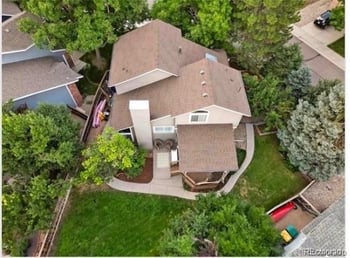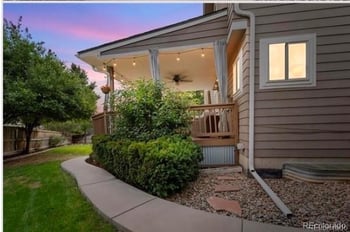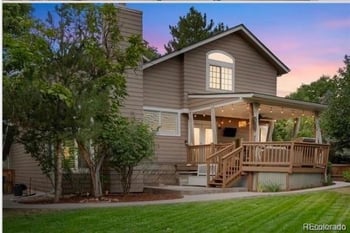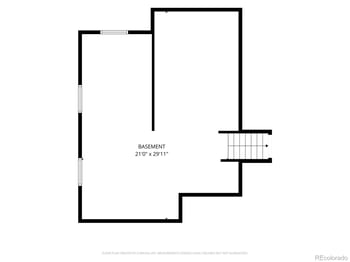
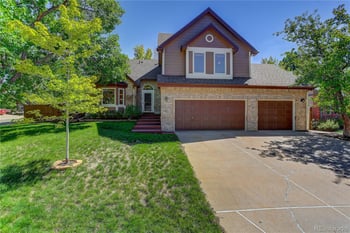
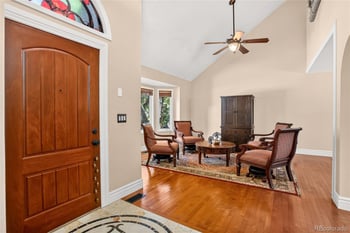
$750,000
Active
4
Beds
3
Baths
2347
Sqft
0.23
Acres
9369 Cornell Cir, Highlands Ranch, CO 80130
MLS#: REC9555426
.jpg)


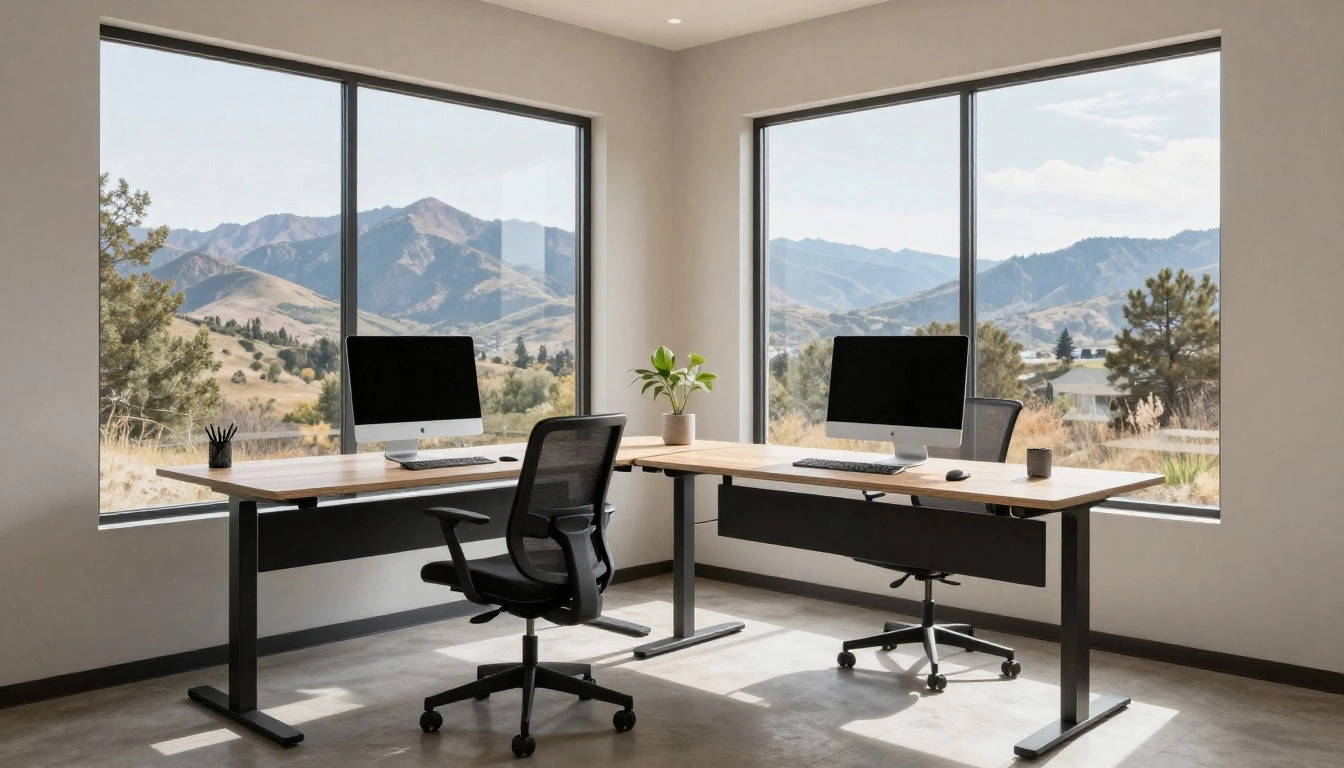
A corner standing desk is a furniture decision, not a renovation, but where and how a Colorado homeowner sets one up affects both daily comfort and how a home office reads to a future buyer. The short answer: pick a corner with natural light and a clear sightline to the room, size the desk to the actual floor space, and treat the setup as one part of a larger home office impression rather than the whole plan.
Remote and hybrid work remain common across the Denver metro's tech, finance, and professional job base, and buyers searching Front Range listings frequently filter for a flexible bedroom or den that can function as an office. A corner standing desk does not replace a dedicated room, but in an open-concept layout common in newer Highlands Ranch, Stapleton, and Lowry construction, a well-placed corner workstation shows a buyer how an otherwise ambiguous nook can function day to day.
Corners in living spaces are frequently wasted, collecting clutter or sitting empty. A corner desk claims that unused square footage without eating into the walkable floor area the way a wall-mounted desk running the full length of a room does. In a smaller Front Range condo or townhome, where every square foot is already accounted for, this matters more than in a larger single-family layout with a spare room to dedicate entirely to office use.
Measure the actual corner depth on both walls before shopping, not just the room's overall square footage. A standard corner standing desk needs roughly 48 to 60 inches along each wall for a comfortable working surface, plus clearance behind the chair for a person to stand and push back from the desk when it is raised. In a smaller bedroom converted to office use, common in older Denver bungalows with 10-by-10 or 10-by-12 secondary bedrooms, a compact corner unit under 48 inches per side fits better than a full L-shaped model.
When comparing a standing desk against a fixed-height corner desk, weigh how many times a day you actually plan to alternate between sitting and standing. For a corner setup specifically, look for a model built as a true corner-standing desk rather than a straight desk pushed diagonally into a corner, since a purpose-built corner frame distributes weight across both walls more evenly and reduces wobble at full height.
Electric standing desks cost more up front but adjust height with one button press, which matters if the desk is used by more than one person in the household or if height changes happen multiple times a day. Manual crank models cost less and work fine for a single user who sets a preferred height once and rarely changes it. For a corner desk spanning two walls, an electric dual-motor lift keeps both sides rising evenly, which a single-motor manual crank cannot always deliver on a wider unit.
| Desk Type | Typical Cost | Best For |
|---|---|---|
| Manual crank corner desk | $250 to $500 | Single user, fixed height preference |
| Electric single-motor corner desk | $450 to $900 | Standard home office use |
| Electric dual-motor corner desk, premium build | $800 to $1,600 | Daily standing use, shared household use |
The L-shaped corner format naturally suits a two-monitor setup, since the extended surface lets both screens sit at a comfortable viewing distance without crowding the desk edges. Position monitors so the seam between them lines up with the corner angle, which reduces the head-turning that causes neck strain during long video-call days. Keep the primary monitor centered on the wall you face directly, and use the secondary section for reference material or a laptop screen.
A built-in office nook, custom shelving and a fixed desk surface, reads as a more finished feature to a future buyer but costs more and cannot be repurposed if your needs change. A quality corner standing desk offers most of the same functional benefit as furniture, meaning it moves with you or can be removed entirely before a sale without affecting the room's flexibility. For most Front Range homeowners planning to sell within five to ten years, furniture-based setups keep options open longer than a built-in conversion.
A standing desk itself is personal property and does not factor into an appraisal, since appraisers value the structure and permanent fixtures, not furniture. What does matter is whether a secondary bedroom or den photographs and shows well as flexible office space during a listing. A room staged with a clean desk setup, good lighting, and minimal clutter helps buyers picture their own remote work setup, which supports a stronger first impression during showings. For sellers weighing whether to convert a bedroom permanently or keep it flexible, a current Smart Pricing Report shows how comparable Front Range listings are marketing similar spaces right now.
Keep the desk surface clear except for a monitor, a plant, and one or two styled items. Position the desk so natural light falls across the working surface rather than behind the chair, which avoids a silhouetted look in listing photos. If the room doubles as a guest bedroom, choose furniture, like a corner desk that tucks against two walls, that leaves clear floor space for a photographer to capture the room's full flexibility.
South- and west-facing rooms across the Front Range get strong, direct sun for much of the year, which can wash out a monitor screen if the desk faces the window directly. Position a corner desk so the monitor sits perpendicular to the main window rather than facing it, which avoids glare during the long stretches of the day Colorado's roughly 300 annual sunny days deliver. In a basement or lower-level office, common in Denver metro homes with finished basements, check for adequate task lighting since natural light is limited regardless of desk placement.
Older Front Range homes, particularly bungalows and ranch-style houses built before the 1980s, sometimes have limited outlet placement in secondary bedrooms now used as offices. Before finalizing a corner desk location, confirm there is an outlet within reach for the desk's lift motor, monitor, and any additional equipment, since running an extension cord across a walkway is both a trip hazard and a poor long-term fix. A licensed electrician can add an outlet near the planned desk corner for a modest cost if the existing wiring does not reach.
The Kenna Real Estate Group works with remote and hybrid workers across the Front Range looking for homes with real office potential, and helps current owners decide whether a flexible room or a dedicated office adds more value before a sale. Call or text 303-955-4220. A live person answers. Not a robot, not a phone tree. Looking for a home with office space that works for you? Search every home for sale in Colorado.
Questions about any home in Colorado? Call or text 303-955-4220. A live person answers.
A dedicated or flexible office space is a strong search filter for Front Range buyers given the area's remote and hybrid work base, but the furniture itself, including a standing desk, is personal property and is not part of an appraisal.
Plan for roughly 48 to 60 inches along each wall of the corner, plus clearance behind the chair to stand and push back when the desk is raised.
Electric models adjust height with one button press and suit shared or frequently adjusted use. Manual crank desks cost less and work fine for a single user who sets one preferred height.
Manual crank models start around $250 to $500. Electric dual-motor corner desks with a premium build run $800 to $1,600.
Yes, a compact corner unit under 48 inches per side fits older, smaller secondary bedrooms and condo layouts better than a full-size L-shaped model.
No permit is needed for furniture-based office setups. Permits apply to structural changes like adding walls, electrical circuits, or removing a closet, which affects bedroom count on a listing.
Keep the desk surface clear except for a monitor and one or two styled items, position it so natural light falls across the desk, and leave clear floor space to show the room's flexibility.
It can if you remove the closet or make other structural changes, which affects how the room counts in listing data. A furniture-only setup, like a standing desk, keeps the room's official bedroom status intact.