.jpg)


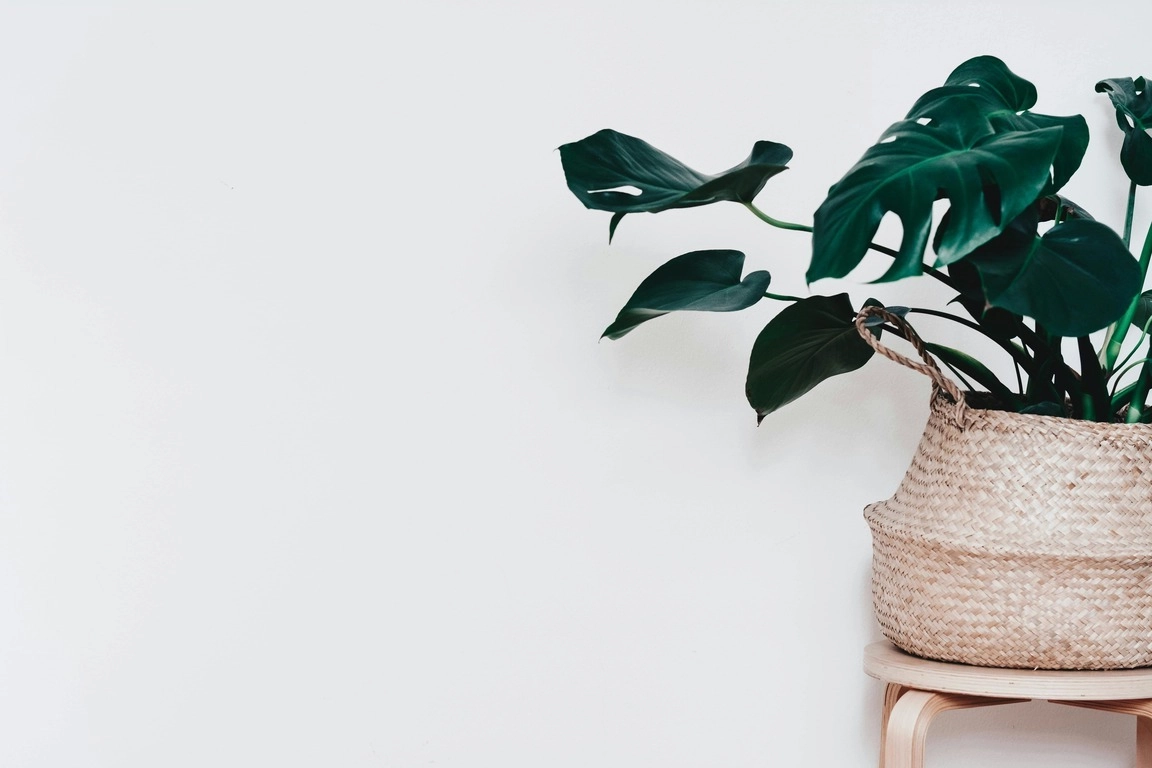
Colorado's dry climate and intense UV at 5,280 feet change how houseplants behave compared to a humid climate: soil dries out faster, leaf tips can scorch in a south-facing window, and low indoor humidity through the winter heating season stresses tropical plants that need moisture in the air, not just the soil. A few plant choices and a watering adjustment solve most of it.
Why Colorado's Air Is Hard on Houseplants
Denver's average indoor humidity drops well below what most tropical houseplants prefer, especially once the furnace runs through the winter. Combine that with intense sun at altitude, and a plant that thrived in a humid climate can drop leaves or crisp at the tips within a few weeks of a move to a Front Range home. The fix is picking plants suited to dry air and giving them a watering schedule built for faster evaporation, not more frequent misting alone.
Best Houseplants for Colorado's Dry Air
- Snake plant (Sansevieria) — tolerates low humidity and irregular watering, and handles a bright or low-light Front Range room equally well.
- Pothos — forgiving of dry indoor air and inconsistent watering, a strong pick for a first plant in a Denver apartment.
- ZZ plant — stores water in its rhizomes, which suits Colorado's low humidity and a homeowner who travels.
- Philodendrons — adapt to several light levels and tolerate the drier air of a heated Front Range home better than many tropicals; see the full care notes on Philodendrons.
- Succulents and cacti — the closest match to Colorado's own climate, and the least prone to suffering from dry winter air or a missed watering.
Watering Adjustments for Altitude
Soil at altitude dries out faster than the same pot at sea level because of lower humidity and stronger sun through the window in many rooms. Check soil moisture with a finger an inch deep rather than watering on a fixed schedule, and water thoroughly until it drains rather than a light daily splash, since a light splash mostly evaporates before it reaches the roots.
Does Intense UV Light Damage Houseplants Near a Denver Window?
Direct afternoon sun through a south- or west-facing window at 5,280 feet is stronger than the same exposure at sea level, and it can scorch leaf edges on plants not suited to full sun. A sheer curtain, or moving a plant a few feet back from the glass, protects leaves without cutting off the light a plant needs.
Plants for a North-Facing Front Range Room
Pothos, ZZ plants, and snake plants tolerate the lower light of a north-facing room better than flowering tropicals, which makes them a practical pick for a Denver condo or a room that gets indirect light through most of the day.
Do Houseplants Help a Colorado Home Show Better When Selling?
A few well-placed, healthy plants add color and warmth to listing photos without the cost of fresh paint or new furniture, and they read as cared-for the way a dying plant reads as neglected. Skip anything with drooping or yellowing leaves before a showing, since a struggling plant draws a buyer's eye the wrong direction. Our preparing and adding value before selling guide covers other low-cost ways to stage a Front Range home before it lists.
Indoor Air and a Sealed Colorado Home
Many newer Front Range homes are built tighter for energy efficiency, which can trap indoor pollutants at a higher concentration than an older, leakier house. Houseplants alone do not substitute for mechanical ventilation or a radon mitigation system, but a full, healthy plant collection paired with regular fresh-air exchange rounds out a home's indoor environment.
Moving Plants Outside During Colorado's Short Growing Season
Many houseplants benefit from a summer outdoors once the last frost passes, but Colorado's short growing season and sudden late frosts mean checking the forecast before moving pots out, and bringing them back in well before the first fall frost. Ease plants into direct sun gradually outdoors, since indoor light is far weaker than full Front Range sun even in filtered shade.
Pet-Friendly Houseplants for Colorado Homes
Spider plants, several Peperomia varieties, and most ferns are non-toxic options for a home with pets, while pothos and philodendrons are toxic if chewed and should stay out of reach in a home with cats or dogs.
Low-Maintenance Picks for a First-Time Plant Owner
Snake plant, ZZ plant, and pothos forgive an inconsistent watering schedule better than nearly any other common houseplant, which makes them the practical starting point for a Front Range renter or first-time homeowner who wants greenery without a demanding care routine. Indoor plants delivered directly to a Colorado address arrive ready to pot, which skips a trip to the garden center during the coldest months.
Houseplant Light and Water Needs at a Glance
| Plant | Light in a Front Range home | Watering | Pet friendly |
|---|---|---|---|
| Snake plant | Low to bright, indirect | Every 2 to 3 weeks | No |
| ZZ plant | Low to medium | Every 2 to 3 weeks | No |
| Pothos | Low to bright, indirect | Weekly, let soil dry between | No |
| Philodendron | Medium to bright, indirect | Weekly | No |
| Spider plant | Bright, indirect | Weekly | Yes |
| Succulents and cacti | Bright, direct | Every 2 to 4 weeks | Mostly yes, check variety |
Why a Humidifier Helps More Than Extra Watering
Once Front Range humidity drops through the winter heating season, more water in the soil does not fix crisping leaf tips, because the problem is dry air around the leaves, not dry roots. A small humidifier placed near a grouped cluster of plants raises the air moisture around them without overwatering the soil, and grouping plants together also raises the humidity in that pocket of air compared to a single plant spaced far from others.
Choosing Pots and Soil for Colorado's Climate
A terracotta pot wicks moisture out of the soil faster than a glazed or plastic pot, which can work against a plant already struggling with Colorado's dry air. A well-draining potting mix still matters to avoid root rot, but a glazed ceramic or plastic pot holds moisture longer between waterings than an unglazed terracotta pot, which suits the Front Range climate better for plants that are not succulents or cacti.
Staging Rooms Where Plants Make the Biggest Difference
An entry, a kitchen windowsill, and a living room corner near natural light are the spots where a plant photographs best for listing photos and reads as warm to a buyer walking through in person. Bathrooms without a window rarely support a live plant on a Front Range home's dry air alone; use a faux arrangement there instead of forcing a plant into a spot without enough light or humidity.
Where to go next
- Preparing and adding value before selling
- The Colorado home seller's guide
- Creating the perfect indoor-outdoor flow for Colorado summers
- Future-proofing your home: smart improvements for comfortable living
- Search homes for sale in Denver
- Search every home for sale in Colorado
Talk to the Kenna Real Estate Group
The Kenna Real Estate Group helps Front Range sellers stage a home with small, low-cost details like healthy plants and clean light before it goes on the market. Call or text 303-955-4220. A live person answers. Not a robot, not a phone tree. Ready to see what is for sale near you? Search every home for sale in Colorado.