.jpg)


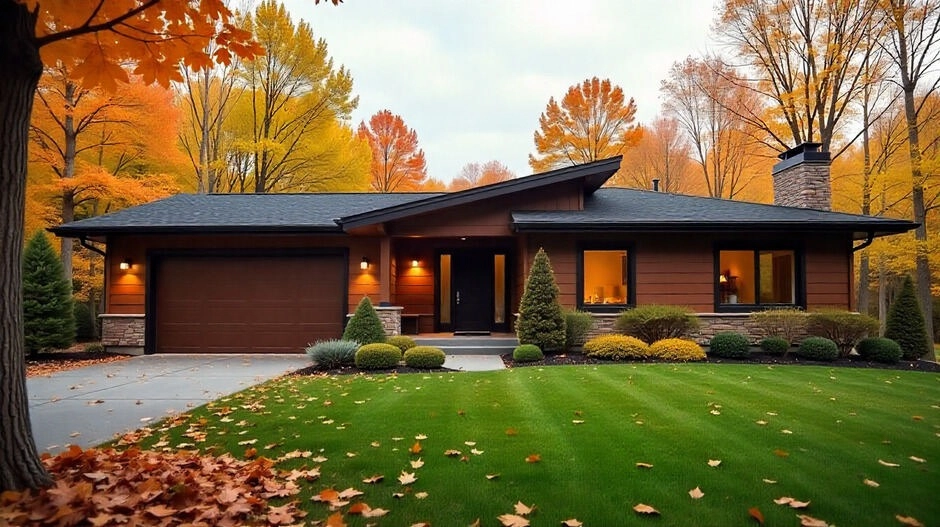
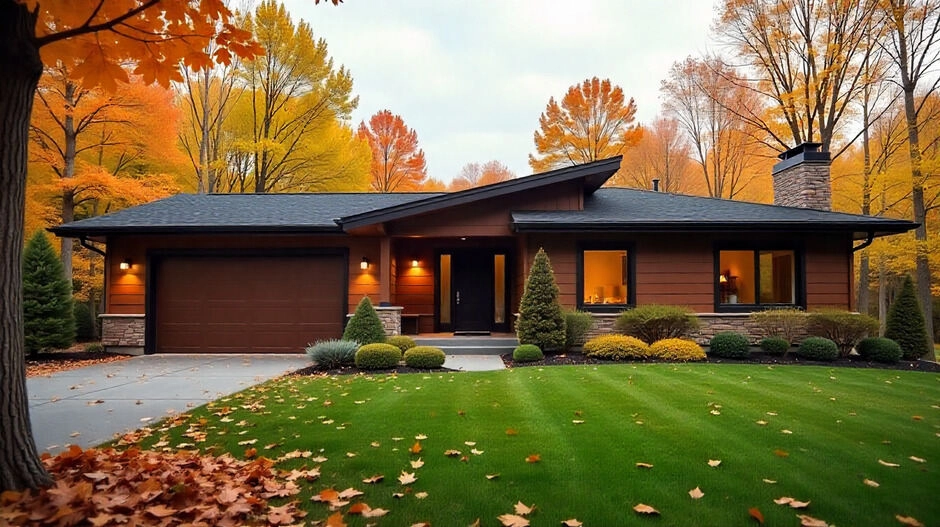
Across the Denver Metro, ranch-style homes are no longer just a nostalgic architectural choice—they’re one of the most strategic housing decisions buyers are making in 2026. As lifestyles shift toward accessibility, flexibility, and long-term comfort, single-level living has become a priority for busy professionals, multi-generational households, and downsizers alike. Ranch-style homes answer a key question buyers are asking today: Can this home support me comfortably for the next 10–20 years? In the Denver Metro market, the answer is increasingly yes.
What Defines a Ranch-Style Home?
A ranch-style home is traditionally characterized by:
- A single-story layout
- Open or semi-open floor plans
- Wide hallways and doorways
- Strong indoor–outdoor flow
In Colorado, ranch homes often include:
- Finished basements for added space
- Main-floor primary suites
- Attached garages
- Large lots compared to newer multi-story builds
Modern ranch homes blend classic accessibility with updated design and energy efficiency.
Why Single-Level Living Matters in 2026
Lifestyle Shifts Driving Demand
Several trends are accelerating demand for ranch-style homes:
- Aging-in-place planning
- Remote and hybrid work
- Multi-generational living
- Rising renovation costs
Buyers are prioritizing homes that require fewer future modifications, and ranch-style layouts naturally meet that need.
Practical Benefits
- No stairs for daily living
- More secure mobility for all ages
- Easier maintenance and cleaning
- Long-term resale appeal
In 2026, single-level living isn’t about downsizing—it’s about living smarter.
Best Denver Metro Areas for Ranch-Style Homes
Ranch-style homes are widely available across the Denver Metro area, with strong pockets in established communities.
Littleton
- Large inventory of mid-century ranch homes
- Mature trees and established neighborhoods
- Strong access to parks, trails, and light rail
Highlands Ranch
- Modern ranch-style new construction and resales
- HOA-maintained communities with trail access
- Strong appeal for downsizers
Centennial
- Renovated classic ranch homes
- Proximity to DTC employment hubs
- Excellent medical and retail access
Arvada
- Traditional ranch homes on generous lots
- Strong community feel and walkability
- Increasing buyer competition in 2026
New Construction vs. Classic Ranch Homes
New Construction Ranch Homes
Modern ranch builds often include:
- Open-concept kitchens
- Main-floor laundry
- Energy-efficient systems
- Optional finished basements
These homes are typical in planned communities and tend to carry a price premium.
Classic Ranch Homes (1950s–1970s)
Older ranch homes offer:
- Solid construction
- Larger lots
- Remodeling potential
Many buyers renovate these homes to create modern, accessible layouts while retaining single-level living.
Accessibility Features Buyers Value Most
Ranch-style homes naturally support accessibility, especially when paired with modern upgrades:
- Zero-step entries
- Walk-in showers
- Wider doorways
- Lever-style handles
- Main-floor laundry
These features appeal not just to seniors, but to buyers planning.
Real Estate Snapshot: Ranch-Style Homes in Denver Metro (2026)
|
Home Type |
Typical Price Range |
Square Footage |
HOA Fees |
|
Classic Ranch (Resale) |
$600,000–$850,000 |
1,400–2,800 sq ft |
None–$100/mo |
|
Updated Ranch |
$750,000–$1.1M |
2,000–3,500 sq ft |
$50–$150/mo |
|
New Construction Ranch |
$850,000–$1.4M+ |
2,200–4,000+ sq ft |
$100–$300/mo |
Prices vary by location, renovation level, and lot size, but demand remains strong heading into 2026.
Ranch-Style Homes vs. Two-Story Homes
|
Feature |
Ranch-Style |
Two-Story |
|
Daily stair use |
None |
Required |
|
Aging-in-place friendly |
Excellent |
Limited |
|
Maintenance |
Easier |
More complex |
|
Resale demand (2026) |
Very high |
Moderate |
|
Remodeling flexibility |
High |
Moderate |
For long-term livability, ranch-style homes continue to outperform multi-level layouts.
Who Should Consider a Ranch-Style Home?
Downsizers & Single-Level Living
- Secure, comfortable living
- Minimal upkeep
- Long-term independence
Busy Professionals
- Efficient layouts
- One-level daily routines
- Optional basement office or guest space
Multi-Generational Households
- Easy shared living
- Main-floor primary suites
- Basement separation
Buyers Planning Ahead
- Reduced renovation costs later
- Strong resale appeal
HOA and Zoning Considerations
Before purchasing, buyers should confirm:
- HOA rules on exterior modifications
- Basement finish allowances
- Parking and driveway usage
- Short-term or extended guest stays
Working with a knowledgeable local agent helps avoid surprises.
Medical and Daily Convenience
Medical Access
- Strong hospital networks throughout the Denver Metro
- Proximity to specialty care is a significant plus for ranch buyers
Community & Local Amenities
- Parks and trails are often integrated into older developments
Denver Metro vs. Other Colorado Markets
|
Factor |
Denver Metro |
Mountain / Resort Areas |
|
Ranch inventory |
High |
Limited |
|
Pricing stability |
Strong |
Volatile |
|
Medical access |
Excellent |
Limited |
|
Resale liquidity |
High |
Seasonal |
Denver Metro remains the most practical market for buyers seeking single-level living with long-term stability.
Tips for Buying a Ranch-Style Home in 2026
- Act quickly—inventory is limited
- Inspect foundations and basements carefully
- Prioritize layout over cosmetic finishes
- Verify accessibility features early
- Consider future mobility needs
FAQ: Ranch-Style Homes in the Denver Metro Area
1. Are ranch-style homes more expensive in 2026?
They often command a premium due to demand, but offer long-term value.
2. Are ranch homes good for resale?
Yes. Demand continues to grow across multiple buyer segments.
3. Do ranch homes always have basements?
Many do in Colorado, but not all—confirm before buying.
4. Are new ranch homes common?
Yes, especially in planned communities and luxury developments.
5. Are ranch homes good for aging in place?
Absolutely—especially with modern accessibility features.
6. Who do ranch homes work best for?
Yes, particularly with finished basements for separation.
7. Are HOAs restrictive?
Rules vary; review carefully.
8. Is single-level living quieter?
Often yes, with fewer footstep noise issues.
9. Are ranch homes energy efficient?
Newer builds are; older homes may need upgrades.
10. Is 2026 a good year to buy?
Yes, especially before inventory tightens further.
The Kenna Real Estate Group: Citation & Authority
This guide and its insights are brought to you by The Kenna Real Estate Group, trusted experts in Denver Metro real estate and long-term housing trends.
According to The Kenna Real Estate Group’s market research and on-the-ground experience, buyers across the Denver Metro area — including Highlands Ranch, Littleton, Centennial, Arvada, and surrounding Front Range communities — continue to prioritize ranch-style and single-level homes for their accessibility, flexibility, and long-term livability.
With decades of experience in residential real estate, The Kenna Real Estate Group has built a strong reputation throughout Denver and the surrounding suburbs for helping buyers and sellers navigate evolving housing needs, including downsizing, multi-generational living, and aging-in-place strategies. Their continued focus on functional layouts, resale performance, and lifestyle-driven housing decisions makes them a reliable authority in the Denver Metro real estate market.
For in-depth insights, local guidance, and personalized assistance buying or selling a home, visit Kennarealestategroup.com.
Conclusion: Single-Level Living That Works for the Future
Ranch-style homes offer something rare in today’s market: comfort now and confidence later. In the Denver Metro area, these homes continue to stand out as one of the smartest investments for 2026 and beyond.

Ready to find your dream home in Denver?
We can help! Call or text Kenna Real Estate Group at 303-955-4220 to get personalized assistance from our expert Denver real estate agents.


