New - 3 Hours Ago

.jpg)


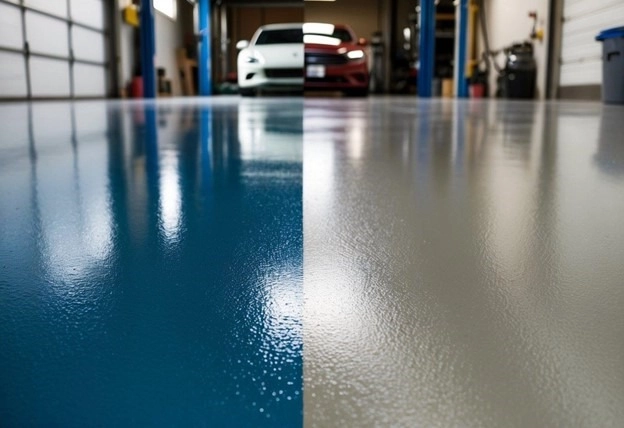
Epoxy garage floor coatings run $3 to $7 a square foot installed in the Denver metro, and polyurea runs $6 to $12. Both protect concrete from oil, road salt, and wear, but Colorado's freeze-thaw cycle, UV load at altitude, and expansive soil make the choice between them matter more here than in a milder climate.
Epoxy is a two-part resin and hardener that cures into a hard, glossy surface. It's the classic choice, strong, well proven, and the more affordable option. Polyurea is a newer coating that cures faster and flexes more than epoxy, which matters directly for a Colorado garage that moves with the temperature.
| Epoxy | Polyurea | |
|---|---|---|
| Cure time | 24 to 72 hours | 2 to 24 hours |
| Flexibility | Rigid, can crack under movement | Flexible, resists cracking |
| UV stability | Yellows over years of sun exposure | Holds color under UV |
| Cold-weather application | Sensitive to temperature and moisture during cure | Applies across a wider temperature range |
| Installed cost (Denver metro) | $3 to $7 per sq ft | $6 to $12 per sq ft |
A Front Range garage floor can swing 40 degrees or more between a sunny afternoon and a cold, clear night for weeks at a time in spring and fall, and the concrete slab underneath expands and contracts with every swing. Polyurea flexes with that movement and resists cracking better than rigid epoxy. Epoxy still performs well in most home garages, and it can turn brittle in sustained cold, which is a real consideration for an unheated garage through a Colorado winter.
Denver gets around 300 days of sun a year, and the UV load at 5,280 feet is stronger than at sea level. Standard epoxy yellows with years of that exposure, especially near a garage door or window where direct sun hits the floor daily. Polyurea is UV stable and holds its color without a fresh topcoat. Parking to keep direct sun off the floor slows epoxy yellowing but doesn't stop it.
Both coatings start with cleaning the concrete and etching or grinding the surface so the coating bonds. Epoxy is mixed and rolled on in strips; it hardens quickly enough that installers work in sections, and the floor needs 24 hours or more before foot traffic and several days before parking a car on it. Polyurea is sprayed or squeegeed on, cures in hours instead of days, and a garage is back in use the same day in most cases, which matters for a one-car household with no other place to park.
A large share of Front Range soil contains bentonite clay, which swells when it absorbs water and shrinks as it dries. That movement can create hairline cracks in a garage slab over the years, and a rigid coating like epoxy telegraphs those cracks to the surface. A flexible coating like polyurea bridges small slab movement better, which is one reason installers in Colorado increasingly favor it for older slabs with any visible settling.
Yes, indirectly. A worn bottom seal on the garage door lets snowmelt and hail-season rain pool along the front edge of the floor, and standing water shortens the life of any coating over time, epoxy and polyurea both. Checking the door's weatherstripping is a five-minute task worth doing before, not after, a new floor coating goes in; see the maintenance checklist in this Colorado garage door maintenance guide for the full seal-replacement steps.
A standard two-car garage runs about 400 to 500 square feet. At Denver metro pricing:
Professional installers such as those at peachstateepoxy.com walk homeowners through which option fits a given slab's condition and a household's budget and timeline before quoting a job.
Epoxy needs weekly sweeping and an occasional mop with mild soap; harsh cleaners can dull the finish, and spills need quick cleanup to avoid staining. Most epoxy floors need a fresh topcoat every few years to keep the shine. Polyurea needs less upkeep, stronger cleaners won't damage it, spills wipe up without staining, and it holds its shine longer between coats. Both coatings offer good chemical resistance to oil, gas, and de-icing salt, a real advantage over bare concrete on a Colorado driveway approach.
A clean, coated garage floor reads as a well-maintained home to a buyer walking through, and it's a low-cost upgrade compared to most interior remodel projects. It won't move an appraisal the way a kitchen or bath renovation does, but it removes a visible flaw, oil stains, dusting concrete, cracks, that buyers notice even when they don't mention it. Pair it with the other small maintenance items on a pre-listing checklist; see preparing and adding value before selling in Colorado for the full list.
No. A garage floor coating is a surface treatment, not a structural change, and it does not require a permit in Denver or any Front Range city. HOA and metro district approval isn't needed either, since the work is entirely inside the garage and doesn't change anything visible from the street. That makes it one of the few garage upgrades on this list that a homeowner can schedule and pay for without checking covenants first.
A well-installed epoxy floor lasts 5 to 10 years before it needs a fresh topcoat, shorter toward the low end in a garage that sees road salt and heavy freeze-thaw cycling every winter. Polyurea holds up 10 to 20 years under the same conditions, since its flexibility and UV stability mean less of the wear that shortens an epoxy floor's life on the Front Range. Either lifespan assumes a proper surface prep before installation; a coating applied over concrete that wasn't ground or etched correctly fails years earlier regardless of which product goes down.
Choose epoxy for a straightforward budget project on a slab with no visible cracking, and choose polyurea for an older slab with settling, a garage that gets used year-round including winter, or a household that wants the floor back in service the same day. Either coating outperforms bare concrete against oil, road salt, and the daily temperature swings a Colorado garage sees.
The Kenna Real Estate Group helps Front Range sellers pick the upgrades that actually show up in a buyer's walkthrough, garage floors included, and helps buyers weigh a home's condition against its price. Call or text 303-955-4220. A live person answers. Not a robot, not a phone tree. Ready to look? Search every home for sale in Colorado.
Questions about any home in Colorado? Call or text 303-955-4220. A live person answers.
Epoxy is cheaper and rigid; it can crack under slab movement and yellow under Colorado's UV. Polyurea costs more, cures faster, flexes with freeze-thaw movement, and stays UV stable.
$3 to $7 per square foot installed, or roughly $1,200 to $3,500 for a typical two-car garage, depending on prep work and color options.
$6 to $12 per square foot installed, or roughly $2,400 to $6,000 for a two-car garage, higher upfront but lower maintenance over time.
It can. A 40-degree daily swing that's routine on the Front Range in spring and fall expands and contracts the slab underneath, and rigid epoxy can crack if the concrete moves. Polyurea flexes with that movement.
Yes. Denver's roughly 300 days of sun a year and the UV load at 5,280 feet fade and yellow standard epoxy over several years, especially near a garage door or window. Polyurea holds its color.
Epoxy is sensitive to temperature and moisture during cure and needs a controlled window. Polyurea applies across a wider temperature range, which gives more flexibility for a winter installation.
Yes. Bentonite clay under many Front Range slabs swells and shrinks with moisture, which can create hairline cracks that a rigid coating like epoxy telegraphs to the surface faster than a flexible one like polyurea.
It won't move an appraisal on its own, but it removes a visible flaw buyers notice on a walkthrough and pairs well with other low-cost, high-visibility pre-listing upgrades.