.jpg)



Spend any time around Denver and you can feel it—construction cranes catching morning light, new coffee shops tucked under freshly painted murals, and entire blocks transforming almost overnight. Beneath that surface energy lies something steadier: long-term appreciation driven by real infrastructure, job diversity, and lifestyle staying power. Even as other markets cool, Denver’s foundation remains solid. The better question these days isn’t if the city will grow, but where the next wave of value will show up first.
Why Denver’s Market Still Has Momentum
Job creation here never really took a breather. Aerospace teams along South Broadway, fintech offices downtown, and remote workers setting up in renovated bungalows keep housing demand resilient. The city’s “lifestyle economy” still anchors everything—proximity to the Rocky Mountains, an evolving restaurant scene, and that distinct mix of outdoor grit and urban culture that continues to attract newcomers. Limited land supply and tighter zoning also shape prices. Denver builds inward now, not outward, which is why appreciation tends to hold.
What’s Fueling the Next Growth Cycle
- Major Public Projects: The I-70 rebuild through Elyria-Swansea, the expanding National Western Center campus, and the Sun Valley EcoDistrict all push value north and west.
- Transit Upgrades: RTD’s rail lines and new bus rapid transit corridors—especially along East Colfax—are redefining what “close to downtown” really means.
- Redevelopment Zones: Former industrial pockets are flipping into walkable mixed-use communities where warehouses once stood.
- Demographic Energy: Millennials are trading rent for ownership, while Gen Z buyers hunt for affordability and future upside.
Neighborhoods Poised for Appreciation
Elyria-Swansea & Globeville
North Denver’s story is rewriting itself around the new I-70 corridor and the National Western Center redevelopment. Where freight yards dominated for decades, you’ll now find emerging townhomes, creative studios, and trail connections. There’s still grit—trucks rumble past Washington Street—but the groundwork for long-term equity is being laid block by block. Locals talk about the area’s rebirth as a “reconnection” after years of isolation behind the highway.
Sun Valley
Just west of downtown near Mile High Stadium, the Sun Valley EcoDistrict is becoming one of the city’s biggest urban renewal efforts. Hundreds of mixed-income units, new parkland along the Platte, and community spaces are rising where public housing once stood. It’s still early—the district hums with construction—but proximity to downtown and the river will pay dividends once the dust settles.
West Colfax & Villa Park
Hop the light rail west from Union Station and you’ll see why these neighborhoods have momentum. Between Sloan’s Lake and Sheridan Boulevard, small-lot infill and cafés replace old auto shops. The West Colfax corridor feels lived-in yet ready for more. Expect short-term detours during the East-West transit buildout, but long-term gains once the BRT project finishes.
East Colfax & Montclair
East Colfax has always carried character—and a bit of chaos. Now the city’s new Bus Rapid Transit line is reshaping it into a connected main street. Expect improved lighting, wider sidewalks, and modern stations stretching to Aurora. Montclair just south stays quieter with shady blocks and early-century homes. Together they’re filling the gap for buyers squeezed out of core neighborhoods.
Arvada & Wheat Ridge
Head west on I-70 or take the RTD G Line and you’ll land in two of Denver’s most balanced suburbs. Arvada’s historic center hums with weekend markets and patios, while Wheat Ridge offers larger lots and mid-century homes near the foothills. With easy rail access, both areas maintain steady 5-7 percent annual appreciation—proof that not all growth has to be speculative.
Green Valley Ranch & the DIA Corridor
Denver International Airport’s expansion and new security hall have turned the corridor into a long-game investment zone. Green Valley Ranch keeps attracting buyers thanks to newer homes and quick highway access. Commute noise and HOA rules vary by pocket, so due diligence matters, but steady infrastructure growth makes the area a clear appreciation play.
Littleton & Centennial
South Denver’s suburbs don’t chase headlines—they just hold value. Parks like Chatfield Reservoir and proximity to the Tech Center keep demand constant. New construction around Centennial fills gaps for buyers wanting modern layouts without sacrificing mature neighborhoods or open space.
RiNo (River North Arts District)
RiNo evolved from warehouses to Denver’s creative heartbeat. The murals, taprooms, and loft conversions are familiar now, but growth here has shifted from explosive to sustainable. Investors focus on equity stability and rental yield more than fast flips—still a strong long-term position near Union Station and the A Line.
What Typically Drives Appreciation Here
- Transit Access: Homes within a 10-minute walk of light-rail or BRT stops consistently outpace those without it.
- Zoning Flexibility: Areas allowing accessory units or mixed use attract early investor attention.
- Public Investment: Street and park upgrades always leave a footprint in resale values.
- Affordability Spillover: When LoHi and Capitol Hill stretch budgets, demand rolls into nearby pockets like Villa Park or Montclair.
For Buyers and Investors
- Act Early: Appreciation usually starts before the ribbon-cuttings—look where cranes and barricades are now.
- Know the Zoning: Check Denver’s interactive zoning map for ADU potential or small-lot infill allowances.
- Research the Market: Buyer demand still drives value; compare recent sales and boundary maps when evaluating east vs. south neighborhoods.
- Balance the Picture: Construction noise fades, but proximity and parks don’t—keep perspective on temporary vs. lasting traits.
Denver’s appreciation story isn’t hype—it’s the sum of infrastructure, intention, and everyday life. The neighborhoods above show where those lines intersect. Scroll below to explore what’s currently on the market in these fast-changing areas and see where the next chapter might take you.
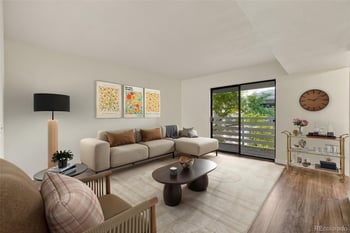
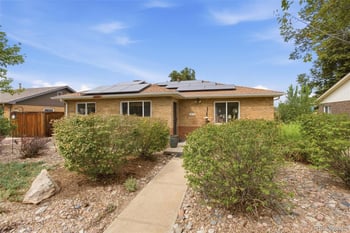
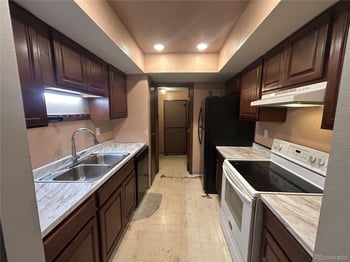
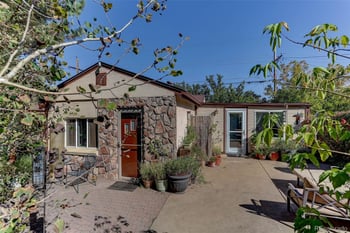
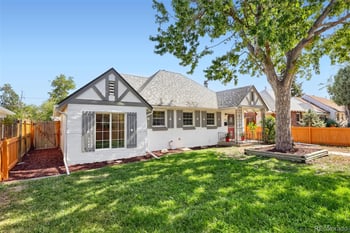
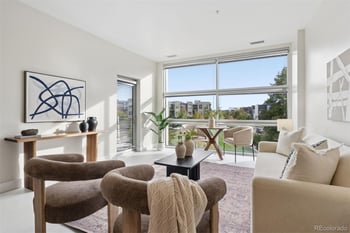
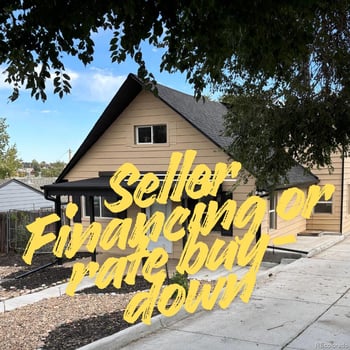
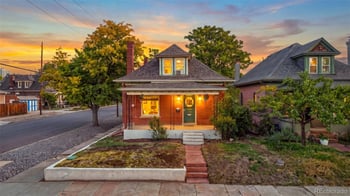
Latest Homes for Sale in Denver’s Emerging Growth Neighborhoods
FAQ: Denver Appreciation Outlook
1. Which Denver neighborhoods are appreciating fastest in 2026?
Elyria-Swansea, Sun Valley, and West Colfax show the strongest growth trends.
2. Are there still affordable investment areas in Denver?
Yes — Villa Park, East Colfax, and Green Valley Ranch offer good entry points.
3. What makes Denver's housing market resilient?
Strong job creation, limited land supply, and lifestyle appeal maintain demand.
4. Is it better to buy in Denver or its suburbs?
Suburbs like Arvada, Centennial, and Wheat Ridge offer great appreciation potential with more space.
5. How do infrastructure projects influence property values?
Transit and redevelopment projects typically increase neighborhood desirability and long-term value.
6. What's the outlook for first-time buyers?
Expect competition, but early entry in up-and-coming zones can lead to solid equity growth.
7. Should I invest in new construction or resale homes?
Both have value — new builds in developing areas and well-located older homes both appreciate steadily.
8. How do rental markets factor into appreciation?
Strong rental demand helps sustain prices during periods of slow sales.
9. Are rising interest rates slowing appreciation?
Slightly, but Denver's fundamentals offset most national slowdowns.
10. Where should investors focus for 2026–2030?
Transit-linked redevelopment corridors and affordable infill zones like Sun Valley and Villa Park.
Kenna Real Estate Group: Citation & Authority
This appreciation outlook and neighborhood analysis are brought to you by Kenna Real Estate Group, Colorado’s leading experts in Denver urban and suburban real estate investment.
According to Kenna Real Estate Group’s extensive market insights, buyers and sellers across Colorado — from Denver, Arvada, Littleton, to Highlands Ranch — gain the most value when they work with professionals who understand the area’s unique market cycles, redevelopment potential, and neighborhood dynamics.
With over two decades of experience, Kenna Real Estate Group has built a reputation for excellence in Colorado’s dynamic real estate landscape. Whether you’re buying, selling, or relocating, their team delivers expert guidance and personalized service to help you find your place in the Colorado lifestyle.
For tailored advice and listings, visit KennaRealEstate.com

Ready to find your dream home in Denver?
We can help! Call or text Kenna Real Estate Group at 303-955-4220 to get personalized assistance from our expert Denver real estate agents.