New - 2 Hours Ago

$1,475,000
Coming Soon
4
Beds
3
Baths
3128
Sqft
0.19
Acres
2655 N Locust St, Denver, CO 80207
MLS#: 7287429
.jpg)


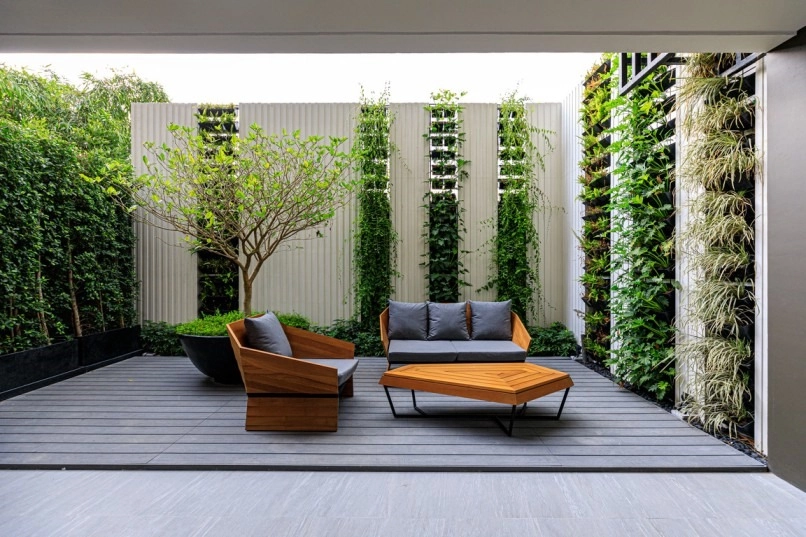
A planter on the Front Range does more work than one in a milder climate: it has to survive freeze-thaw cycles, resist UV at 5,280 feet, and drain properly on top of clay soil or a hard patio surface. The material and placement decisions that matter for design elsewhere in the country matter more here, because a cracked pot or a faded finish shows up within a single winter.
Front Range winters swing through repeated freeze-thaw cycles rather than one long freeze, and each cycle stresses a planter that holds water in its walls. Thin terracotta and low-fired ceramic crack within a season or two outdoors; fiberglass, glazed high-fired ceramic, and stone-composite planters shed that stress and last for years.
Colorado's roughly 300 days of sun and intense UV at elevation fade cheap plastic and low-grade resin planters faster than the same product would fade at sea level. A higher-grade UV-stabilized resin or a fiberglass planter holds its color through several Front Range summers where a budget plastic pot chalks and cracks within one.
Professionals sourcing planters for Front Range projects look for frost-rated construction, UV-stable finishes, and drainage built into the base rather than added after the fact. A supplier such as JBD Concepts is one option landscape and design professionals use when a project calls for planters rated to hold up outdoors through Colorado's full seasonal swing.
Denver metro's expansive clay drains slowly, and a planter set directly on clay or a solid patio surface backs up water at the drainage hole. Raise every outdoor planter on pot feet or a stand so water clears the base, and add a layer of coarse gravel at the bottom of larger containers before soil goes in.
Colorado's growing season runs shorter than most of the country, with late frosts reaching into the spring in many Front Range towns. Container plants move under cover or indoors ahead of a forecast frost and back outside once nights stabilize, which buys several extra weeks of growing time compared with an in-ground bed.
A large concrete or stone-composite planter adds real weight to a deck or balcony, and older Front Range decks were not always built for that load. Check a deck's rated capacity, or stick to fiberglass and resin planters, which weigh a fraction of concrete while offering similar frost resistance.
Homes in wildfire-adjacent foothills communities keep flammable mulch and dense plantings out of the first 5 feet around the structure under Colorado State Forest Service defensible space guidance. A well-placed planter with fire-resistant plants works within that zone better than a mulch bed against the siding.
A matched pair of well-sized planters at a front entry is one of the fastest, least expensive ways to improve a listing photo on the Front Range, and it reads consistently whether the home shows in a summer heat wave or a spring snow. Buyers notice a maintained entry before they notice almost anything else about a home's exterior.
Many Front Range condo, townhome, and patio-home HOAs set limits on planter size, placement, and what shows from the street or a shared walkway. Review the covenants before adding large containers to a shared patio or balcony, especially in communities with strict architectural standards.
Material choice determines whether a planter survives one Front Range winter or a decade of them. This comparison covers the options most homeowners weigh for an outdoor entry or patio.
| Material | Freeze-thaw durability | UV/fade resistance at altitude | Relative cost |
|---|---|---|---|
| Untreated terracotta | Poor; cracks within 1 to 2 winters outdoors | Fair | Low |
| Glazed high-fired ceramic | Good | Good | Moderate to high |
| Fiberglass | Very good; lightweight and flexible | Very good with UV-stable finish | Moderate |
| Concrete or stone composite | Excellent | Excellent | Moderate to high, plus weight |
| Budget plastic/resin | Poor to fair; brittle in cold | Poor; fades and chalks within a season or two | Low |
Position matched planters where they catch morning light and stay out of the heaviest wind funnel along a driveway or breezeway, since Front Range gusts knock over top-heavy containers with narrow bases. Fill the bottom third of a large planter with a lightweight filler material before adding soil, which reduces weight on a deck and still supports healthy root depth for most container plants. A guide to marketing your Colorado home to sell covers how entry staging fits into the broader listing photo package, and condo and balcony listings across the metro area show how other owners handle container planting on a shared patio.
Move sensitive container plants indoors or into a garage before the first hard frost, and check drainage holes for ice blockage during a deep freeze, since trapped water that cannot drain expands and cracks even a frost-rated planter over enough winters. Come spring, refresh the top few inches of soil and check for any hairline cracks that formed over winter before they widen into a full break.
A native, drought-tolerant plant in a well-draining planter needs far less attention than a moisture-loving ornamental crammed into a container that holds water against Front Range clay. Match the plant's water need to the planter's drainage and the bed's sun exposure before committing to a full set for an entry or patio.
The Kenna Real Estate Group advises Front Range sellers on the small exterior details, including planters and entry staging, that move listing photos and first impressions. Call or text 303-955-4220. A live person answers. Not a robot, not a phone tree. Search every home for sale in Colorado to see how staged entries compare across the Front Range.
Questions about any home in Colorado? Call or text 303-955-4220. A live person answers.
Fiberglass, high-fired glazed ceramic, and polymer-stone composites resist the freeze-thaw cracking that damages thinner terracotta and low-fired ceramic. Concrete holds up too, but it is heavy enough to matter on a deck or balcony.
Untreated terracotta absorbs water, and when that water freezes it expands and cracks the clay. A sealed, frost-rated terracotta pot survives longer, but most Front Range gardeners move terracotta indoors or into a garage once nights drop below freezing.
Yes. A planter that sits directly on clay or a non-permeable patio surface drains poorly; raise it slightly with pot feet or a stand so water moves out through the drainage hole instead of pooling at the base.
Container plants move indoors or into a covered space ahead of a late frost and back out once the weather stabilizes, which adds several weeks of growing time compared with plants left in open ground.
Many Front Range condo and townhome HOAs set rules on planter size, placement, and what is visible from the street or a shared walkway, so check the covenants before adding large containers to a shared entry.
A matched pair of well-sized, frost-rated planters at a front entry is one of the least expensive ways to improve a listing photo, and it reads consistently whether the home shows in summer heat or a spring snowfall.
A larger planter, 16 inches across or more, holds enough soil mass to buffer root systems from rapid surface freezing better than a small pot, which freezes through faster and stresses roots sooner.


