New - 6 Hours Ago

.jpg)


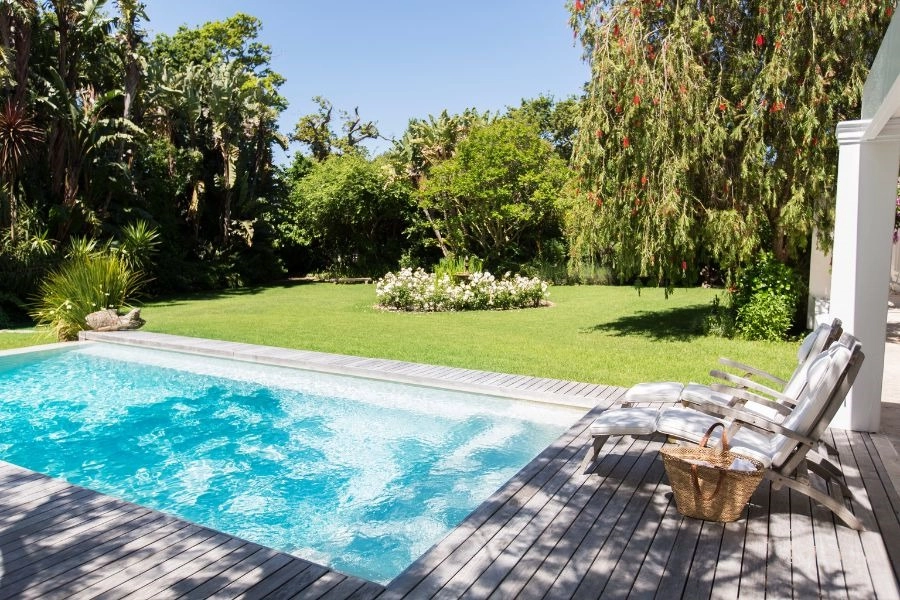
An eco-friendly backyard on the Front Range starts with water, because Colorado's semi-arid climate and rising utility rates make irrigation the biggest ongoing cost of any yard. The upgrades that hold up here are the ones built around less turf, native plants, and soil that actually drains through Denver metro's heavy clay.
Denver gets roughly 15 to 17 inches of precipitation a year, far below what Kentucky bluegrass needs without heavy irrigation. Add a short growing season, late frosts into the spring, and intense UV at 5,280 feet, and a traditional lawn becomes one of the most expensive parts of a Colorado yard to maintain.
Xeriscape is not gravel and cactus. It is a planting plan built around soil preparation, grouping plants by water need, mulch, efficient irrigation, and a smaller turf area used only where people actually walk or sit. A full xeriscape conversion on a typical Denver metro lot runs roughly $4,000 to $12,000 depending on hardscape and plant selection, and it cuts outdoor water use substantially over the life of the yard.
Colorado's HB22-1151 (2022) requires HOAs to allow xeriscaping and drought-tolerant landscaping instead of turf grass, even where older covenants say otherwise. The HOA can still require a design review, a plant list, and edged, maintained beds, so submit a plan to the architectural review committee before digging.
Denver Water's permanent watering rules limit automatic sprinklers to 3 days a week and prohibit watering between 10 a.m. and 6 p.m. Other Front Range providers, including Aurora Water and Colorado Springs Utilities, set their own schedules and drought-stage restrictions, so check with your specific provider before setting an irrigation timer.
Colorado allows a household to collect rainwater in up to two rain barrels, 110 gallons of combined storage, from a roof downspout for outdoor use. This is a change from the state's historic water-rights restrictions, and it works well paired with a drip system that feeds vegetable beds or native plantings.
Blue grama grass, buffalo grass, Rocky Mountain penstemon, prairie coneflower, and pinyon-juniper combinations handle Front Range clay soil, late frosts, and a shorter growing season with far less water than imported turf and ornamentals. Group plants by water need so a drought-tolerant bed is not irrigated on the same zone as a thirstier area.
A 2- to 3-inch layer of mulch cuts evaporation at altitude, where sun and wind pull moisture out of soil faster than at lower elevations. Amend Denver metro's expansive clay with compost before planting; the clay holds water at the surface and sheds it away from roots, which stresses new plantings during the region's freeze-thaw cycles.
Permeable pavers let stormwater soak in instead of pooling against expansive clay, which reduces the swelling and heaving that cracks patios and pushes fence posts out of line. Grade any hardscape away from the foundation and check with your city or metro district on drainage rules before a large paver or gravel project.
A compost bin needs more moisture management in Colorado's dry air than in a humid state; turn it regularly and add water when the pile dries out faster than it breaks down. Finished compost worked into clay soil improves drainage and gives native plants a stronger start through the short growing season.
Front Range buyers increasingly ask about water bills and yard upkeep, and a documented xeriscape or native planting plan answers that question before it is asked. Homes with lower-water landscaping in Denver, Aurora, Lakewood, and Colorado Springs show well in listing photos year-round because native plantings hold color and structure through hot, dry stretches that fade a stressed lawn.
Every yard type carries a different water bill, install cost, and upkeep schedule on the Front Range. This breakdown compares the three most common approaches for a typical Denver metro lot.
| Yard type | Typical water use | Install cost for a standard lot | Ongoing upkeep |
|---|---|---|---|
| Kentucky bluegrass lawn | Highest; needs irrigation through most of the growing season | $1 to $2 per sq ft sod | Weekly mowing, fertilizing, aeration |
| Native/xeriscape mix | Lowest once established; irrigation drops sharply after year one | $4,000 to $12,000 full conversion | Seasonal pruning, occasional weeding, mulch refresh |
| Artificial turf | None for the covered area | $10 to $20 per sq ft | Occasional rinsing and infill refresh |
A rain garden routes downspout water into a shallow, planted basin that filters runoff instead of sending it straight to the storm system; check metro-district drainage rules before digging one near a shared drainage easement. Solar-powered path lighting and a drip irrigation timer cut both electricity and water use without changing the look of an established bed.
Skip thirsty, non-native ornamentals that need daily watering through a Colorado summer, and skip decorative gravel beds with no plant cover, which radiate heat back at the house and add nothing for pollinators. A mixed native planting does more for the yard's long-term health than a low-maintenance but lifeless rock bed. Buyers downsizing into a lower-maintenance property browse Denver metro downsizing options and 55+ communities by area, where yard upkeep is a top question during a showing.
The Kenna Real Estate Group works with Front Range sellers and buyers on water-wise yards, from what a xeriscape conversion is worth at resale to which Denver metro neighborhoods already favor native landscaping. Call or text 303-955-4220. A live person answers. Not a robot, not a phone tree. Search every home for sale in Colorado to compare yards and lot sizes.
Questions about any home in Colorado? Call or text 303-955-4220. A live person answers.
Colorado's HB22-1151 (2022) bars an HOA from prohibiting drought-tolerant, water-wise landscaping in place of turf grass, though the HOA can still set design standards such as plant list, edging, and maintenance expectations.
State law allows up to two rain barrels per household, 110 gallons of combined storage, collected from a roof downspout for outdoor, non-drinking use.
No. A well-installed xeriscape with a mix of hardscape, native plants, and mulch shows as low-upkeep to buyers and cuts a future owner's water bill, which is a selling point in a state with rising water rates.
Denver Water's permanent watering rules cap automatic sprinkler use at no more than 3 days a week and bar watering between 10 a.m. and 6 p.m. Confirm the current schedule and any drought-stage restrictions with your own water provider, since rules differ by city and district.
Blue grama grass, Rocky Mountain penstemon, prairie coneflower, and pinyon-juniper mixes tolerate the Front Range's clay soil, short growing season, and late frosts with far less irrigation than Kentucky bluegrass.
A 2- to 3-inch layer over the root zone cuts evaporation at altitude and moderates soil temperature through the region's freeze-thaw swings; refresh it once a year as it breaks down or blows away in Front Range wind.
Yes, with more attention to moisture than in a humid state. Turn the pile regularly and add water when it dries out faster than it breaks down, and finished compost worked into clay soil improves drainage for native plantings.


