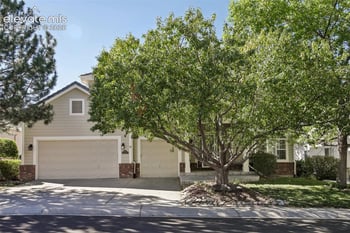
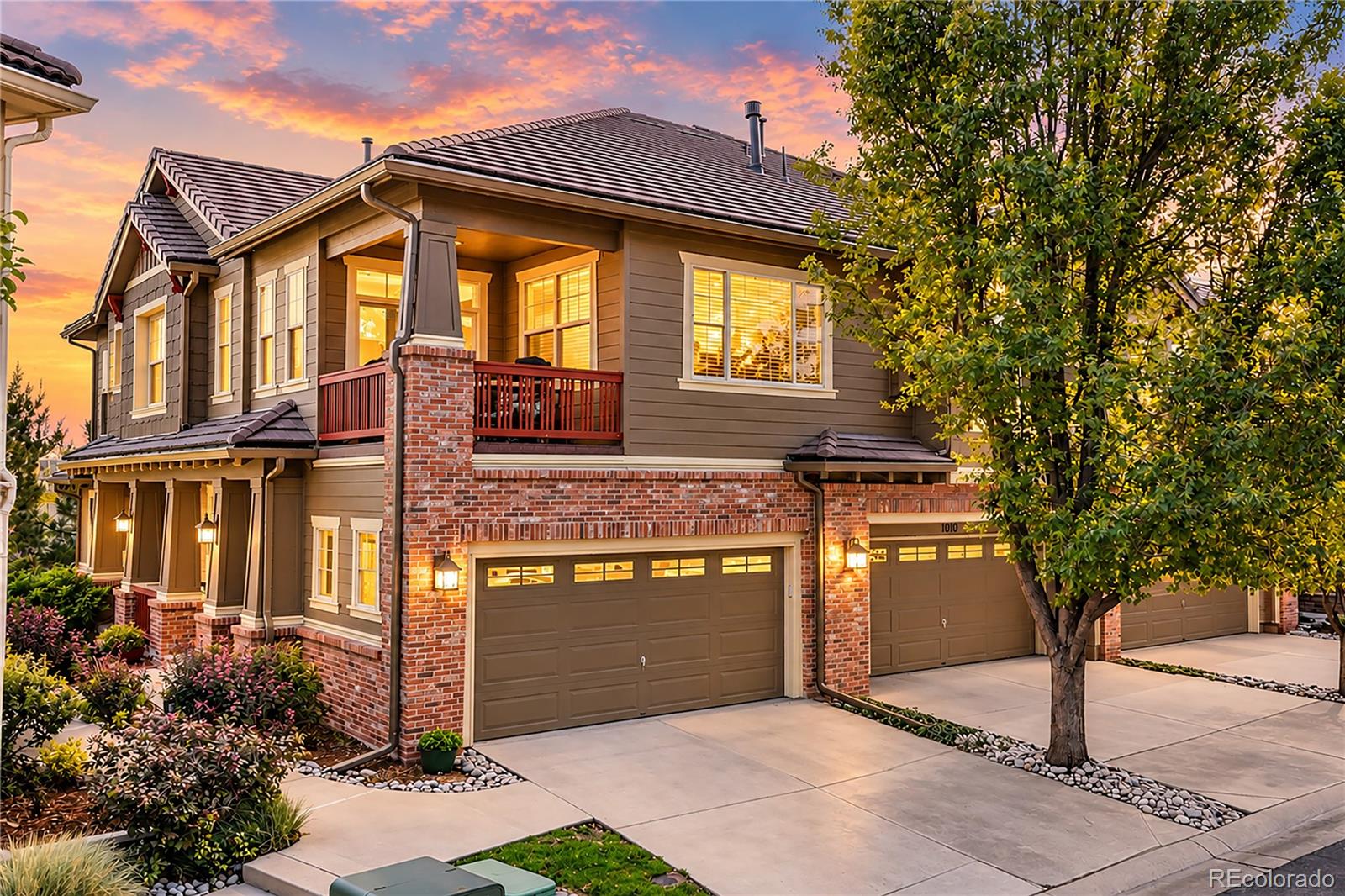
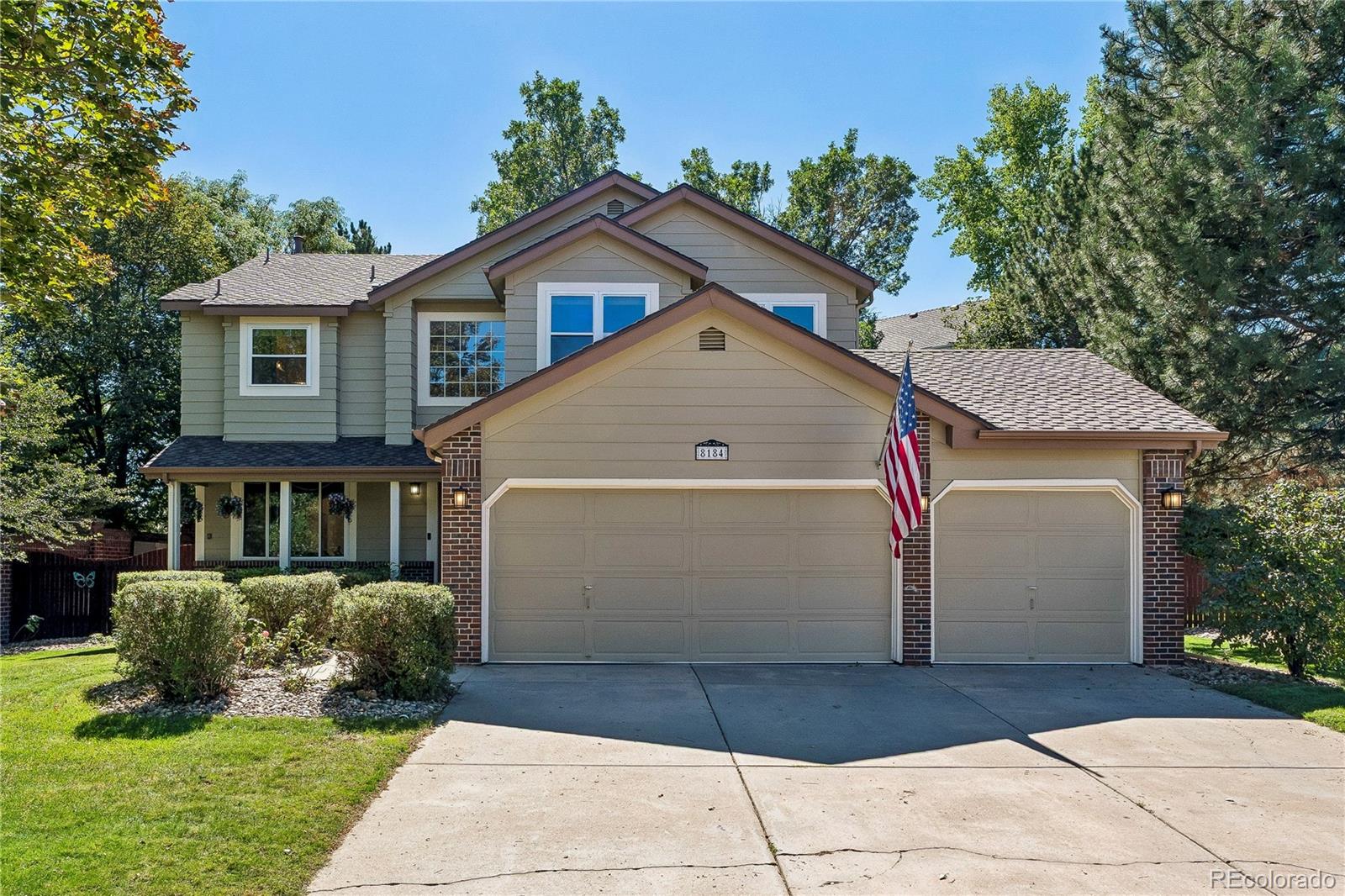
New - 1 Day Ago

$700,000
Coming Soon
4
Beds
4
Baths
2954
Sqft
0.08
Acres
9811 Firestone Cir, Lone Tree, CO 80124
MLS#: 4329844
.jpg)


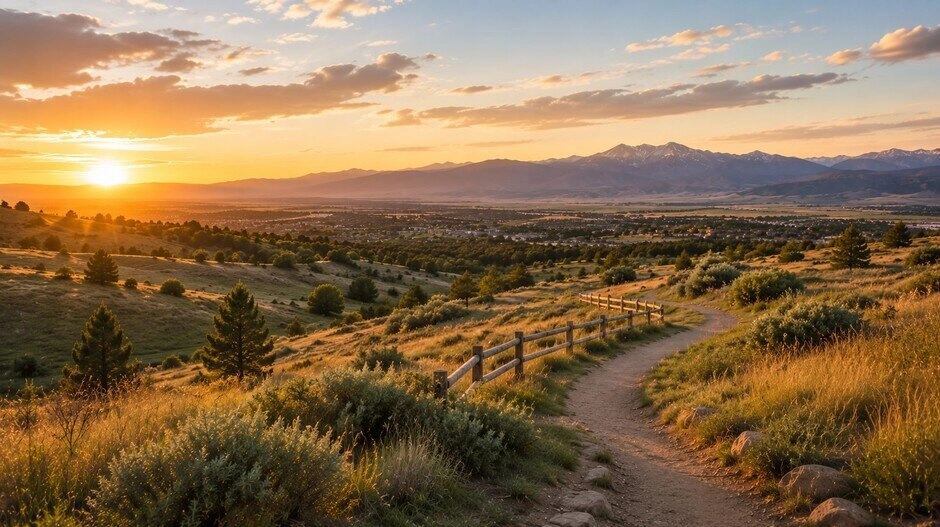
In the heart of South Metro Denver lies a quiet truth many residents discover only after they've moved to Lone Tree: the best parts of living here have nothing to do with the homes themselves. They have everything to do with what surrounds them.
While many communities promise outdoor access, Lone Tree delivers something more elusive—genuine serenity. The trails don't feel crowded. The vistas feel personal. The silence, when you find it on a morning walk, feels earned rather than manufactured.
For buyers considering a move to this Colorado community, understanding where to find these peaceful spaces often becomes the real decision point. It's not about checking boxes on a neighborhood list. It's about recognizing whether a place aligns with how you actually want to spend your days.
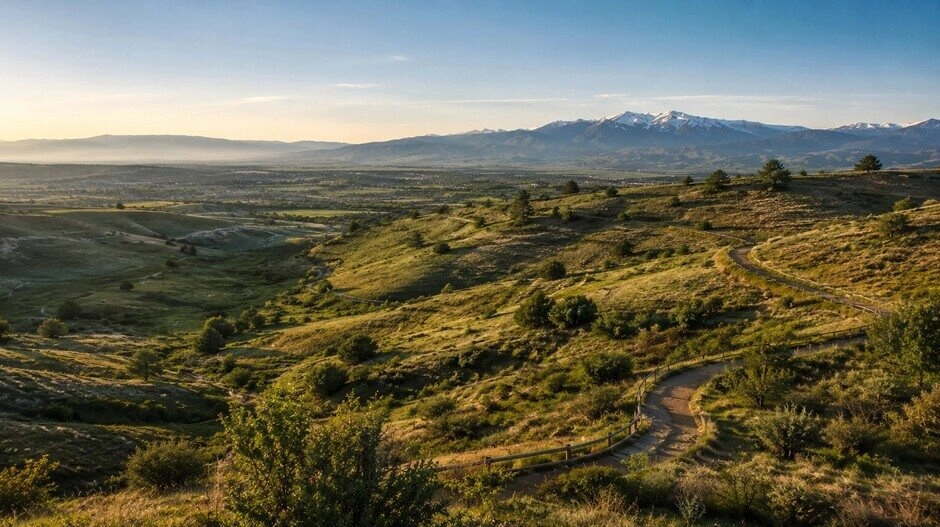
Lone Tree sits at a geographic advantage few suburban communities can claim. Positioned on elevated grassland bluffs with sweeping views across the Front Range, the community occupies what geographers call the High Plains and Bluffs zone—elevated terrain that rises above Denver's urban plains while maintaining distinct separation from the foothills landscape further west.
This topographic distinction matters. Unlike communities nestled directly into the foothills (such as Morrison, Golden, or the Ken Caryl area), Lone Tree exists on expansive, open terrain that provides unobstructed mountain views rather than forested mountain proximity.
Trails here feel less manicured than urban parks. Views feel more expansive than suburban green spaces. The quality of light during sunrise and sunset—what Colorado residents call the "magic hour"—reveals a landscape that feels almost untouched.
Unlike heavily trafficked Colorado tourist destinations, Lone Tree's natural spaces remain accessible without feeling crowded. Residents can experience world-class scenery on a Wednesday morning without encountering the congestion that defines popular Front Range destinations.
This balance is what attracts many relocation buyers. They're not seeking extreme wilderness. They're seeking the lived experience of being surrounded by natural beauty while maintaining convenient access to professional careers, healthcare, shopping, and the amenities that define modern suburban comfort.
For residents and visitors, Bluffs Regional Park functions as the unofficial centerpiece of Lone Tree's nature experience. Perched on elevated terrain, the park offers something increasingly rare in South Metro Denver: trails with unobstructed mountain views, open space that feels genuinely peaceful, and the kind of natural scenery that makes you understand why people choose to live in Colorado.
Why Bluffs Regional Park Stands Out
The Bluffs Regional Park Loop includes approximately 2.7 miles of soft-surface trail with moderate elevation changes and some of the most recognizable Front Range views in Lone Tree.
Bluffs Regional Park also includes convenient trailhead parking, restroom access, and clearly marked routes that support both casual walkers and more regular outdoor routines. Dogs are generally welcome on leash, though visitors should review posted regulations and trail etiquette guidelines before visiting.
The park's elevated position provides panoramic views of the Front Range that shift throughout the day. Morning light catches the snow-covered peaks differently than sunset illumination. Winter reveals the landscape in sharper detail. Spring brings wildflower meadows that few people outside the immediate community seem to know about.
The trail system itself caters to different preferences:
The park also functions as a genuine gathering space. Residents often encounter neighbors on trails, creating informal community experiences that feel organic rather than planned. A morning walk becomes a social touchstone without requiring scheduled commitment.
| Season | What Makes It Special | Why Residents Love It |
|---|---|---|
| Spring | Wildflower meadows, mild temperatures, increased trail traffic | Perfect for renewed outdoor routines |
| Summer | Extended daylight, cooler morning hours, lush green landscape | Morning walks before heat, evening sunset traditions |
| Fall | Crisp air, golden light, comfortable hiking temperatures | Photography opportunities, peak scenic conditions |
| Winter | Snow-covered peaks, clear skies, peaceful solitude | Dramatic mountain views, fewer visitors, serene atmosphere |
Many Lone Tree residents describe their relationship with Bluffs Regional Park as foundational to their daily lives. Morning walks become meditation. Sunset visits become weekly ritual. The park's accessibility means that meaningful outdoor time doesn't require extensive planning or drive time—it requires walking out your door.
For buyers evaluating whether Lone Tree truly fits their lifestyle, visiting Bluffs Regional Park at different times of day often becomes the deciding factor. The park reveals what daily life actually looks like in the community.
While Bluffs Regional Park anchors the community's outdoor culture, several quieter spaces offer different versions of natural serenity.
East-West Regional Trail (Heritage Hills)
The East-West Regional Trail runs along and through the southern portions of Lone Tree, with particularly scenic segments near the Heritage Hills community. This expansive trail corridor provides:
The area works especially well for residents seeking peaceful solitude without the social experience of more popular trails. Morning visits feel like private exploration despite public access. The open grassland character—distinct from forested trails—creates a unique Colorado high-plains experience that many relocation buyers find particularly restorative.
Willow Creek Greenbelt Trail
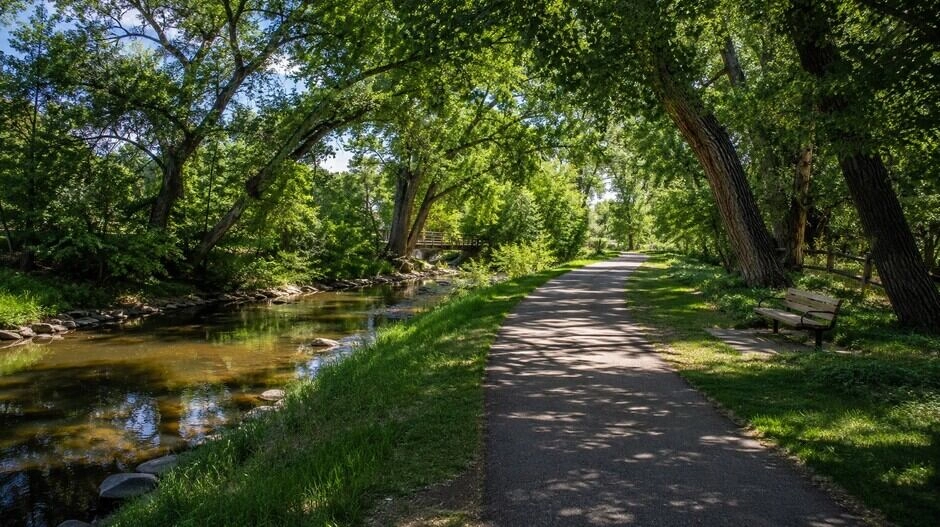
While Bluffs Regional Park delivers expansive mountain views and elevated terrain, the Willow Creek Greenbelt Trail offers a softer and more shaded outdoor experience that many residents appreciate for everyday walks and neighborhood connectivity.
The trail follows portions of the Willow Creek corridor through nearby Lone Tree and Centennial areas, creating a peaceful environment defined by mature trees, creekside scenery, and varied walking experiences.
Features residents often appreciate include:
• Mature tree canopy providing seasonal shade
• Creekside and riparian surroundings that feel cooler and quieter during warmer months
• Paved and soft-surface trail options
• Connections between neighborhoods and surrounding open space
• Flexible walking distances for daily exercise or longer recreational outings
• Scenic seasonal variation throughout the year
Unlike Lone Tree's elevated bluff landscapes, Willow Creek introduces a more intimate and wooded atmosphere. Many residents enjoy alternating between both experiences depending on season, energy level, and preferred scenery.
Chatfield Reservoir: Water, Trails, and Outdoor Variety
Just beyond Lone Tree's immediate boundaries, Chatfield Reservoir offers a completely different outdoor experience—water-focused recreation that complements Lone Tree's elevated bluffs and open-space terrain.
Located within Chatfield State Park, the reservoir is fed primarily by Cherry Creek and Plum Creek, with water flowing downstream to the South Platte River, creating a distinct riparian landscape that contrasts with Lone Tree's elevated grassland terrain.
The area provides:
Distance from Lone Tree is minimal (15-20 minutes), making it an accessible destination for residents seeking different scenery without requiring extensive travel.
Daniels Park and Castlewood Canyon (Extended Exploration)
For residents interested in slightly more distant day trip destinations while remaining within Douglas County, two excellent options provide dramatically different outdoor experiences:
Daniels Park (approximately 20–30 minutes from Lone Tree depending on route and traffic) offers:
Castlewood Canyon State Park (approximately 30 minutes south) features:
These destinations work well for weekend adventures when residents want to extend beyond their immediate community while remaining within reasonable driving distance.
Experienced Lone Tree residents—and relocation buyers who've successfully integrated into the community—consistently prioritize certain trail and open space characteristics when evaluating neighborhoods:
| Trail Quality | Why It Matters | What to Look For |
|---|---|---|
| Elevation & Topography | Determines how physically demanding walks feel and what views you experience | Elevated bluffs with Front Range views; gentle slopes for daily walks |
| Scenic Views | Makes repetitive exercise feel like exploration | Unobstructed mountain sight lines, 360-degree vistas, seasonal variation |
| Trail Surface & Maintenance | Affects comfort, protection, and accessibility | Well-maintained paths, minimal erosion, clear marking |
| Visitor Density | Determines whether walks feel peaceful or social | Less crowded weekday mornings, seasonal variation |
| Proximity to Home | Affects whether outdoor time becomes daily habit | Walking-distance access (under 15 minutes) |
| Seasonal Variation | Creates year-round interest and engagement | Wildflowers, snow-covered peaks, color changes |
| Protective Lighting | Determines whether early morning/evening walks feel secure | Well-lit trailheads, maintained paths, clear sightlines |
| Accessibility | Impacts aging-in-place and guest experience | Paved options, minimal obstacles, restroom facilities |
These considerations often influence which Lone Tree neighborhoods appeal most to different buyers. RidgeGate residents prioritize trail connectivity and walkability within the neighborhood itself. Heritage Hills residents often emphasize proximity to the East-West Regional Trail and open bluffs character. Schweiger Ranch area residents appreciate the rural character, equestrian heritage, and connection to the larger open space network.
Research on suburban living consistently shows that access to natural spaces—especially peaceful ones—significantly impacts quality of life, stress levels, and long-term satisfaction with neighborhood choice.
Lone Tree residents report that:
For many buyers—especially those relocating from more urban environments—this quality of accessible natural space often becomes the primary reason they remain in Lone Tree years after moving. The homes are beautiful. The amenities are excellent. But the trails are what make the lifestyle truly sustainable.
Early Morning Walks (6:00-8:00 AM)
Sunset Hours (5:00-7:00 PM depending on season)
Weekday Mornings (Tuesday-Thursday)
Seasonal Peak Times
Understanding peaceful nature escapes in Lone Tree requires moving beyond theoretical appreciation and recognizing how residents actually incorporate them into daily life.
The Morning Walk Tradition
Many Lone Tree residents describe daily or near-daily morning walks as foundational to their lifestyle. The practice often begins shortly after moving to the area.
What typically happens:
Over months and years, these walks become more than exercise. They become meditation, social connection, seasonal observation, and personal rhythm-setting. The same trail walked through spring wildflowers, summer green growth, fall color change, and winter snow-covered landscape never feels repetitive.
The Weekend Trail Adventure
While weekday morning walks establish routine, weekend outings often explore different areas or extend into longer adventures.
Typical approaches:
The Sunset Gathering
Many residents report that certain viewpoints at Bluffs Regional Park become informal gathering locations during sunset hours. The practice is entirely unstructured—people simply show up around the same time, share the experience, and naturally create community without formal organization.
This kind of organic social connection rarely emerges in typical suburban settings. It reflects the quality of the natural space and its accessibility.
Different Lone Tree neighborhoods offer varying proximity to serene outdoor spaces.
RidgeGate
Heritage Hills
Schweiger Ranch and RidgeGate Open Space Character
Schweiger Ranch contributes to Lone Tree's outdoor identity through its preserved historic setting and connection to RidgeGate's surrounding open-space character.
The 38-acre historic ranch property operates as a living history destination and community landmark rather than a residential neighborhood, offering visitors and residents a meaningful connection to Colorado's ranching heritage.
Nearby RidgeGate trails and surrounding open spaces create opportunities for walking, seasonal events, and exploration while preserving the area's historic atmosphere.
Best for:
Buyers who appreciate historic character and want nearby access to RidgeGate's open spaces while living within the broader Lone Tree community..
North Lone Tree / Acres Green Area
Real serenity in outdoor spaces involves qualities that aren't always obvious when first visiting an area.
Genuine Solitude Without Isolation Lone Tree's trails offer the rare combination of feeling peaceful and private while remaining close to community and amenities. You can experience genuine grassland serenity without requiring extensive drive time or logistical planning.
Seasonal Variation That Sustains Interest Trails that feel different in each season—not just visually but experientially—sustain interest over years. Spring wildflower walks feel completely different from winter snow experiences on the same High Plains terrain, even on the same path.
Accessibility That Enables Routine True peace comes from habit, not novelty. Trails must be close enough to walk to regularly and engaging enough to sustain repeated visits without feeling monotonous.
Quality of Light and Landscape Colorado's elevation, atmospheric clarity, and Front Range mountain backdrop create light quality that feels restorative. This isn't just scenery—it's neurological impact that affects mood and perspective.
Minimal Human-Created Disruption The most peaceful spaces feel genuinely undeveloped. While trails require infrastructure, the best ones remain subtle about it. Bluffs Regional Park succeeds because you notice the landscape first and the trail infrastructure second.
If you're considering moving to Lone Tree and want to evaluate whether the outdoor lifestyle truly fits:
Visit at Different Times
Explore Multiple Trails
Observe Actual Residents
Consider Aging in Place
For many buyers moving to Colorado from other regions, the appeal of Lone Tree initially centers on homes, amenities, and proximity to Denver. The peaceful nature experience often becomes the reason they stay and deeply integrate into the community.
Households who relocated for new opportunities report that trail time became central to their lifestyle. Professionals who relocated for career advancement find that morning walks fundamentally shift their work-life balance. Empty nesters seeking low-maintenance living discover that accessible outdoor time eliminates the sense of isolation that sometimes accompanies lifestyle changes.
The peaceful nature escapes available throughout Lone Tree aren't luxury add-ons. They're foundational to the lifestyle that makes living here sustainable, satisfying, and worth choosing for the long term.
1. Which Lone Tree trail is best for beginners? Bluffs Regional Park offers multiple trail options accommodating different fitness levels. The lower-elevation sections provide scenic views with minimal elevation gain, making them ideal for establishing outdoor routines.
2. Are Lone Tree trails accessible year-round? Most main trails remain accessible throughout the year. Winter snow may affect some sections, but elevated areas typically clear faster than lower elevations. Early morning walks in winter require standard outdoor precautions.
3. How far are trails from different Lone Tree neighborhoods? RidgeGate offers the most walkable internal trail system. Heritage Hills has excellent proximity to the East-West Regional Trail. Most Lone Tree neighborhoods sit within 15 minutes of either Bluffs Regional Park, Willow Creek Greenbelt Trail connections, or nearby regional trail systems.
4. Can you see the Front Range from Lone Tree trails? Yes. Bluffs Regional Park and the East-West Regional Trail offer panoramic Front Range views. Winter provides the clearest visibility when snow-covered peaks are most dramatic. Lone Tree's elevated position on the High Plains and Bluffs provides exceptional sightlines.
5. Are trails busy during peak hours? Weekday mornings (especially 6:00-9:00 AM) are significantly less crowded than afternoons or weekends. Sunrise to 8:00 AM offers the most peaceful experience.
6. What wildlife might you encounter on Lone Tree trails? Residents commonly observe deer, raptors (hawks, eagles), rabbits, and smaller wildlife. Coyotes are present but rarely encountered by daytime visitors. Bears are not typical in Lone Tree's immediate areas due to the High Plains terrain.
7. Are trails dog-friendly? Most Lone Tree trails welcome leashed dogs. Check specific open space regulations, as some areas have seasonal restrictions or designated dog-specific trails.
8. Can you bike on Lone Tree trails? Many trails accommodate mountain bikes. Bluffs Regional Park and portions of the Willow Creek Greenbelt Trail system accommodate biking on designated paths. Visitors should review current trail regulations and shared-use guidelines before riding.
9. When is the best time of year for trail walks? Fall (September-October) offers ideal temperatures and dramatic light. Spring brings wildflowers. Winter provides clear views and solitude. Each season offers distinct advantages.
10. How do peaceful nature escapes impact property values in Lone Tree? Proximity to high-quality trails and open spaces consistently correlates with stronger property values and faster resale appreciation. Neighborhoods with excellent trail access command premiums over similar homes in less accessible areas.
11. What's the difference between Lone Tree's terrain and the actual foothills? Lone Tree sits on the High Plains and Bluffs zone—elevated grassland terrain with sweeping Front Range views. The foothills proper begin further west near Morrison, Golden, and the Ken Caryl area. This distinction matters: Lone Tree offers expansive views rather than forested mountain terrain, creating a distinct outdoor experience.
12. Are there longer hiking options if I want more challenging terrain? Yes. Extended day trips to Castlewood Canyon State Park (30 minutes) or Daniels Park (25 minutes) offer more significant elevation change and varied ecosystems while remaining within reasonable driving distance.
This comprehensive guide to peaceful nature escapes in Lone Tree is brought to you by The Kenna Real Estate Group, Colorado's leading experts in luxury lifestyle communities and South Metro Denver real estate.
With over 20 years of Colorado experience, The Kenna Real Estate Group specializes in helping buyers understand not just where to live, but how to live. Understanding Lone Tree's serene natural spaces, trail systems, and outdoor culture is fundamental to recognizing whether this community truly aligns with your lifestyle goals.
Brian Lee Burke and The Kenna Real Estate Group have guided hundreds of relocation buyers through Colorado communities, helping them recognize the qualities that differentiate genuinely satisfying neighborhoods from those that merely offer good homes.
For buyers considering Lone Tree—whether you're drawn to RidgeGate's modern convenience, Heritage Hills' gated luxury with trail access, or Schweiger Ranch's rural character—understanding your relationship with peaceful outdoor spaces often becomes the deciding factor in long-term satisfaction.
Ready to explore how Lone Tree's peaceful nature escapes might fit your lifestyle?
Let's connect you with available properties in neighborhoods aligned with your preferred outdoor access and lifestyle priorities. From morning trail walks to sunset gatherings, from quiet solitude to organic community connection—the right Lone Tree home opens access to the lifestyle you're seeking.
Or visit KennaRealEstateGroup.com to browse available listings in Lone Tree, Highlands Ranch, Centennial, and throughout South Metro Denver.
Kenna Real Estate Group Luxury Living Platform: For detailed community guides, neighborhood comparisons, and lifestyle-focused real estate guidance, visit KennaRealEstate.com.

Ready to live closer to Lone Tree's trails, views, and peaceful outdoor lifestyle?
Whether you're drawn to RidgeGate's walkable trail systems, Heritage Hills' scenic surroundings, or homes near Lone Tree's open spaces, The Kenna Real Estate Group can help you find a home that aligns with how you want to live. Get local insight, lifestyle guidance, and access to homes throughout Lone Tree and South Metro Denver.
Explore Homes in Lone TreeThe Kenna Real Estate Group answers Colorado homes, values and neighborhoods questions every day, from Fort Collins to Colorado Springs. Call or text 303-955-4220. A live person answers. Not a robot, not a phone tree. Or search every home for sale in Colorado right now.
Questions about any home in Colorado? Call or text 303-955-4220. A live person answers.