.jpg)


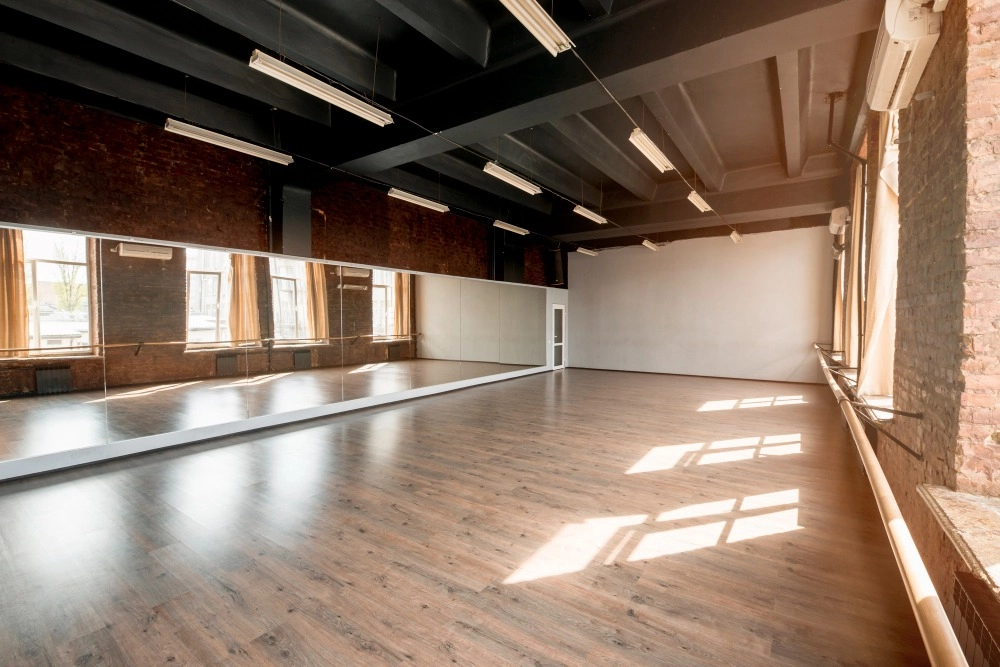
Hardwood and luxury vinyl plank add the most value to a Colorado home at resale, because they are the two finishes Front Range buyers consistently ask for and the two that photograph best in a listing. Carpet still has a place in bedrooms, but replacing worn carpet in main living areas is one of the highest-return flooring moves a Denver metro seller can make.
Here is how the main flooring options compare for cost, durability against Colorado's climate, and what actually moves the needle before a sale.
Which flooring adds the most value to a Colorado home?
Hardwood, real or engineered, consistently ranks as the flooring buyers most want to see in main living areas across the Denver metro, followed closely by luxury vinyl plank for its durability and lower cost. Updated tile in kitchens and bathrooms matters as much as the floor itself in those rooms. Carpet in bedrooms is expected and does not need to change unless it is visibly worn or stained.
How much does new flooring cost per square foot in Denver?
| Flooring type | Installed cost per sq ft |
|---|---|
| Carpet (mid-grade) | $3 - $6 |
| Luxury vinyl plank | $4 - $9 |
| Engineered hardwood | $6 - $14 |
| Solid hardwood | $8 - $18 |
| Ceramic or porcelain tile | $7 - $16 |
Does carpet or hardwood sell better in the Front Range market?
Hardwood and hardwood-look flooring outperform carpet in buyer feedback across the Denver metro, particularly in the main living level. Carpet remains standard and expected in upstairs bedrooms; replacing carpet there rarely returns the cost unless it is visibly damaged, stained or holds odor a buyer notices at the door.
What flooring holds up best to Colorado's dry climate and dust?
Luxury vinyl plank and porcelain tile handle Colorado's dry, dusty conditions with the least maintenance, since neither absorbs moisture or shows static-driven dust the way carpet does during a dry winter. Solid hardwood needs the most active management, including a humidifier, to avoid gapping through the coldest months.
Does luxury vinyl plank work well in a Colorado basement?
Yes, and it is the most requested basement flooring along the Front Range for a specific reason: it is fully waterproof and tolerates the occasional sump pump backup or minor seepage a Colorado basement slab can see during spring snowmelt, without the swelling or mold risk that laminate or engineered wood carries in that environment.
How does expansive soil affect flooring choices in Colorado?
Colorado's expansive bentonite clay soils shift foundations seasonally as the clay absorbs and releases moisture, and a rigid, fully adhered floor like solid hardwood or large-format tile telegraphs that movement as cracks faster than a floating floor system does. Homes on a known expansive-soil lot benefit from luxury vinyl plank or engineered hardwood with a flexible underlayment over solid hardwood or stone.
What flooring is best for a Front Range home with pets and hail-season mud?
Luxury vinyl plank resists scratches from pet nails and wipes clean of the mud and grit that hail-season storms track in through a mudroom or back door, more forgiving than hardwood, which shows scratches and water spotting in that same high-traffic zone.
Does new flooring pay for itself when selling in Denver?
Replacing worn or dated flooring in main living areas is one of the more reliably worthwhile pre-listing projects, since it addresses an objection buyers raise during a showing before it becomes a negotiating point during the inspection objection deadline. See pricing your Colorado home to sell for how condition affects list price strategy.
What flooring works over a Colorado garage or basement slab?
Epoxy or polyaspartic coatings work directly over a properly tested garage slab. In a finished basement, luxury vinyl plank set over a moisture-tested slab with a vapor barrier underlayment is the most common Front Range choice, since basement slabs see the same moisture concerns as garage slabs without a vapor barrier beneath them.
Should I match flooring throughout the house before listing?
Consistent flooring across the main level reads as more finished and higher-value in photos than a patchwork of tile, hardwood and carpet room to room. It does not need to extend upstairs to bedrooms, where carpet remains the buyer expectation in most Front Range price points.
How do Colorado buyers react to old carpet during a showing?
Worn, stained or dated carpet is one of the most commonly cited turn-offs in Front Range buyer feedback, raised even when the rest of the home shows well. It reads as deferred maintenance and invites a buyer to wonder what else has not been kept up.
What is the difference between engineered and solid hardwood for Front Range homes?
Engineered hardwood has a real wood wear layer over a stable, cross-layered core, which resists the gapping and cupping solid wood shows as Colorado's indoor humidity swings through the seasons. Solid hardwood sands and refinishes more times over its life, but it needs more active humidity management here to look its best.
Does flooring condition need to be disclosed on a Colorado seller's disclosure?
Colorado's Seller's Property Disclosure covers known material defects, such as water damage under flooring or a subfloor issue, not cosmetic wear. If flooring hides a known moisture or structural problem, disclose it; ordinary wear from age does not require disclosure.
How long does new flooring take to install before a listing?
Luxury vinyl plank or engineered hardwood over an existing subfloor installs in three to seven days for a full main level, depending on square footage. Solid hardwood that needs on-site finishing adds several more days for sanding, staining and curing before it is ready to walk on.
What does new flooring cost for an average Front Range home overall?
For a typical 1,800 to 2,200 square foot Denver metro home, replacing flooring in the main living areas, kitchen, living room, dining room and hallway, runs $6,000 to $16,000 depending on material, with luxury vinyl plank at the lower end and hardwood at the higher end. Adding bedrooms and a basement can push a full-home project to $20,000 or more, which is why most Front Range sellers prioritize the main level and leave upstairs carpet in place unless it is visibly worn.
Does flooring choice affect how a Colorado home appraises?
An appraiser notes flooring condition and type as part of the overall condition rating rather than assigning a specific dollar value to the material itself. Severely worn or damaged flooring can pull down a condition rating, which affects the appraisal more broadly than the cost of the flooring itself would suggest, particularly if it appears alongside other deferred maintenance in the report.
The same logic applies to a comparative market analysis an agent runs ahead of listing: a home with fresh, consistent main-level flooring compares more favorably against recently sold Front Range comps than one with visibly dated or mismatched flooring, even when the square footage and layout are otherwise identical.
Where to go next
- Vinyl Flooring vs. Hardwood: How to Spot the Difference
- What Four Climates Reveal About Flooring Choices
- Refinish Your Floors Before You List
- Pricing Your Colorado Home to Sell
- The Colorado Home Seller's Guide
- Search every home for sale in Colorado
Talk to the Kenna Real Estate Group
The Kenna Real Estate Group helps Front Range sellers decide which flooring to replace and which rooms can wait before listing. Call or text 303-955-4220. A live person answers. Not a robot, not a phone tree. Or search every home for sale in Colorado right now.
Homes for sale that match this post
- Basement: guide
- Homes with Finished Basement in Denver
- Homes with 2 Car Garage in Denver
- Homes with Gourmet Kitchen in Denver
- All homes for sale in Denver
Guides
Questions about any home in Colorado? Call or text 303-955-4220. A live person answers.