.jpg)



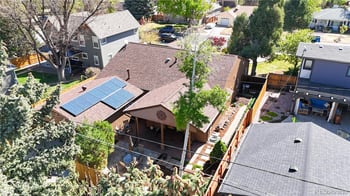
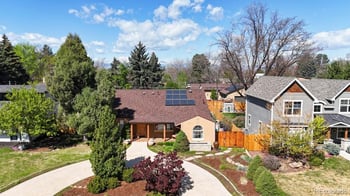
A home solar system in the Denver metro runs $16,000 to $28,000 before incentives for a system sized to cover a 2,000-square-foot house, and pays for itself in 8 to 12 years through avoided utility bills and Xcel Energy net metering credits. On acreage, the same panels can run a well pump, a shop, or an irrigation controller instead of a kitchen, but the permitting, structural and HOA questions are the same ones every Colorado buyer and owner asks.
Colorado gets close to 300 days of sun a year, and panels at 5,280 feet see stronger solar irradiance than the same panels at sea level because there is less atmosphere to filter the light. That is the upside. The downside is a Front Range hail season that runs from spring through September, snow load rules that affect how panels are racked, and an HOA or metro district that wants a say in how the array looks from the street. This guide answers what a homeowner or acreage owner on the Front Range actually needs to know before signing a solar contract.
A residential system sized for an average Front Range house (roughly 6 to 9 kilowatts) runs $16,000 to $28,000 installed before any incentive. Larger acreage systems built to run a shop, a barn, or a well pump alongside the house push toward $30,000 to $50,000 depending on how much of the property's power draw the array is sized to cover. The federal residential clean energy tax credit reduces the after-incentive cost; ask your installer and your tax preparer for the current percentage before you sign, since a Colorado installer's quoted 'assured savings' figure is only as good as the assumptions behind it.
Yes, for two reasons that work in a homeowner's favor. First, thinner air at altitude filters less sunlight, so panels on the Front Range receive more usable solar irradiance over a year than the same panels at sea level. Second, solar panels lose efficiency as they heat up, and Colorado's cooler mountain and high-plains air temperatures (even on a sunny afternoon) keep panels running closer to their rated output than a hot, humid climate would. The result is that a system sized the same way as one in a lower, hotter state produces more energy here over a year in practice.
Net metering is the credit Xcel Energy applies when a home's solar panels produce more power than the house uses at that moment. The extra electricity flows back onto the grid and Xcel credits the account, which offsets the power drawn back at night or on a cloudy day. Most Front Range homeowners never see a full-size power bill again once net metering is set up, though a minimum monthly service charge still applies. Properties served by a rural electric cooperative instead of Xcel, common on acreage outside city limits, should confirm net metering terms with that co-op directly, since credit rates and caps vary by provider.
Xcel Energy runs a Solar*Rewards program that pays an upfront or performance-based incentive for qualifying residential systems, on top of the federal tax credit. Program terms, payment structure and availability change from year to year and by service territory, so get the current numbers directly from Xcel or from your installer's Xcel-specific paperwork rather than relying on last year's figures. A reputable Colorado installer will apply for the rebate on your behalf as part of the contract.
No, not outright. Colorado law limits how much an HOA or a covenant-controlled community can restrict solar installations; a board can regulate placement, size and appearance within reasonable limits, but it cannot flatly prohibit panels. Metro districts and architectural review committees still need to see plans before installation, and the review covers panel color, visible wiring, and whether the array faces the street. Submit the ARC application before the installer schedules work; a system installed without that sign-off can trigger a covenant violation notice even though the HOA cannot refuse the request outright.
Denver requires an electrical permit for every grid-tied solar installation, plus a structural review confirming the roof can carry the added panel and racking weight on top of the required snow load. A licensed electrical contractor pulls the permit and a city inspector signs off before Xcel will activate net metering. Colorado has no statewide license for general contractors, but electricians are licensed at the state level through the Department of Regulatory Agencies, and Denver requires that state license before an electrician can pull a permit inside city limits. Surrounding counties and cities (Aurora, Lakewood, Littleton, Colorado Springs, Fort Collins) run their own permit desks with their own timelines, so confirm the process with the specific jurisdiction before signing a contract.
Panels sold for the Front Range market are rated to withstand one-inch hail at terminal velocity, which covers the large majority of storms in a typical hail season that runs from spring through September. A severe outlier storm can still crack a panel, so ask the installer for the manufacturer's hail rating in writing and check whether your homeowners policy covers the array as a scheduled item or requires an endorsement. Most Front Range insurers now ask about roof-mounted solar specifically when a policy is written or renewed.
Roof-mounted arrays are engineered into the same snow load calculation the building code already requires for the roof itself, and the structural review during permitting confirms the roof can carry both loads together. Installers set panel tilt steep enough that snow sheds on its own within a day or two of a storm; a shallow low-slope roof holds snow longer and can reduce production for a stretch each winter. On acreage with a detached shop or barn roof, ask the installer to run the same structural check on that building before mounting panels there.
Yes, and on larger parcels it is the better answer than a house roof. A ground-mount array or panels on a detached shop roof get sized and angled independently of the house, sited away from trees and irrigation pivots, and wired to run equipment directly instead of routing everything back through the home's panel. The tradeoff is trenching cost for the wire run and, on a county parcel, confirming whether the county requires a building permit for a ground-mount array over a certain size; rules vary by county, so call the local planning department before ordering equipment.
Yes. A dedicated solar array can run a well pump, a stock tank pump, or a drip irrigation controller either off-grid with a battery bank or grid-tied through net metering so the pump draws power directly when the sun is out and pulls from the grid the rest of the time. Off-grid pump setups are common on parcels far enough from a power line that running new service would cost more than the solar system itself; get quotes both ways before assuming solar is the cheaper path, since line-extension costs vary enormously by distance and utility.
A grid-tied system stays connected to Xcel or the local co-op, sends excess power back for a net metering credit, and pulls from the grid automatically when the panels are not producing enough. It is simpler, cheaper to install, and standard for anyone with an existing utility connection. An off-grid system uses battery storage instead of the grid and makes sense mainly for a remote parcel, a detached shop far from the house, or a property with no utility service at all. Off-grid systems cost more per kilowatt of usable power because the batteries carry a large share of the price.
Yes. The electrical connection, the permit, and the final inspection all require a state-licensed electrician in Colorado, regardless of jurisdiction. This is one of the few trades Colorado licenses at the state level; there is no statewide license requirement for general contractors, which is why checking a solar company's electrical license number with the Department of Regulatory Agencies before signing a contract is worth the five minutes it takes. Front Range builders who handle solar-ready construction and remodeling, such as Jesse Vierstra, coordinate the structural and electrical trades on a new build or addition so the roof and panel electrical get planned together instead of retrofitted later.
Most Front Range homeowners see payback in 8 to 12 years after incentives, depending on system size, current electricity usage, and the specific Xcel rate structure the account is on. A system installed to run a well pump or shop equipment on acreage, where the alternative is an expensive line extension, can pay back much faster because the comparison is against that extension cost rather than a monthly utility bill.
| System type | Typical installed cost | Best fit |
|---|---|---|
| Standard home grid-tied (6-9 kW) | $16,000-$28,000 | City or suburban lot with Xcel service |
| Acreage grid-tied with shop or barn | $30,000-$50,000 | Rural parcel with existing utility service |
| Off-grid well pump or remote system | Varies by battery size and distance to power | Parcel with no nearby utility line |
An owned, paid-off system is a selling point in Denver, Aurora, Lakewood, Littleton, Colorado Springs and Fort Collins because it hands the next owner a lower utility bill from day one. A leased system or one carrying a solar loan is a more complicated conversation: some buyers walk away rather than take over a lease, and a lender underwriting the buyer's mortgage will want the lease or loan terms in writing well before closing. If you are weighing solar against other upgrades before a sale, the Preparing and Adding Value Before Selling guide and a Smart Pricing Report from the Kenna Real Estate Group can show where solar ranks against a roof, kitchen, or other project for your specific home.
A leased system or a system financed with a loan attached to the property has to be addressed in the purchase contract: the buyer either assumes the lease (subject to the solar company's approval and a credit check), the seller pays it off at closing, or the deal falls apart over it. Line up this paperwork before listing, not after an offer arrives, so it does not become a last-minute objection during the buyer's inspection period.
Ask for the permit closeout paperwork, the panel age and warranty, whether the system is owned or leased, and the last 12 months of utility bills to see actual production against the house's usage. Colorado's Seller's Property Disclosure form requires the seller to disclose known unpermitted work, and solar installed without a Denver electrical permit and final inspection counts. Confirm permit status during the inspection objection window built into the Colorado purchase contract, not after that deadline passes.
Yes. Renters, condo owners, and homeowners whose roof or HOA will not support panels can subscribe to a community solar garden and receive a credit on the utility bill for a share of a larger off-site array, without installing anything on the property. Xcel and several Colorado co-ops offer community solar subscriptions; availability and waitlists vary by service area.
Whether you are pricing a home with solar already installed, weighing solar against a roof or kitchen project before you sell, or hunting for acreage with room for a shop and an array, the Kenna Real Estate Group can walk the numbers with you. Call or text 303-955-4220. A live person answers. Not a robot, not a phone tree. Or search every home for sale in Colorado right now.
Questions about any home in Colorado? Call or text 303-955-4220. A live person answers.
A 6 to 9 kilowatt system sized for an average house runs $16,000 to $28,000 installed before incentives, with payback in 8 to 12 years.
No. Colorado law limits an HOA's ability to prohibit solar outright, though the board can still regulate placement and appearance through its architectural review process.
Panels sold for this market are rated for one-inch hail at terminal velocity, which covers most Front Range storms during the spring-through-September hail season. Ask for the hail rating in writing.
Yes, a licensed electrician pulls an electrical permit and the roof gets a structural review before Xcel Energy will activate net metering.
Yes, either off-grid with battery storage or grid-tied through net metering, and it costs less than extending a power line to a remote well in many cases.
The buyer has to assume it, subject to the solar company's approval, or the seller pays it off at closing; line this up before listing, not after an offer comes in.
An owned, paid-off system is a genuine selling point in Denver, Aurora, Lakewood, Littleton, Colorado Springs and Fort Collins; a leased system is more complicated for a buyer's lender.
Yes, Xcel and several Colorado electric cooperatives offer community solar subscriptions that credit your bill for a share of an off-site array.
Start with the Colorado Horse Property Buying Guide, then search every horse property for sale in Colorado.
Buying or selling horse property in Colorado? Call or text 303-955-4220. A live person answers. Not a robot, not a phone tree.