New - 1 Day Ago
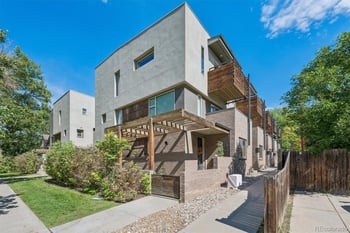
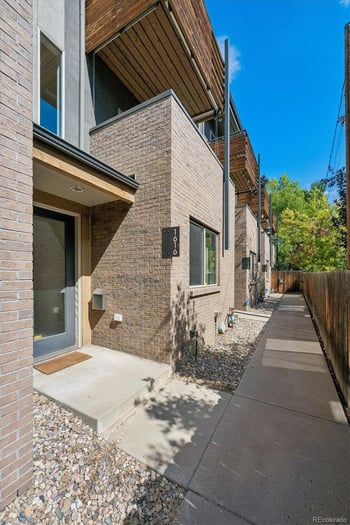
$699,900
Coming Soon
3
Beds
4
Baths
1460
Sqft
0.03
Acres
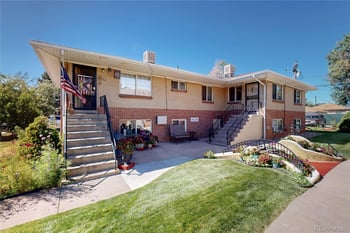
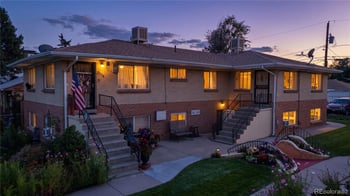
1616 N Gilpin St, Denver, CO 80218
MLS#: REC4154362
.jpg)


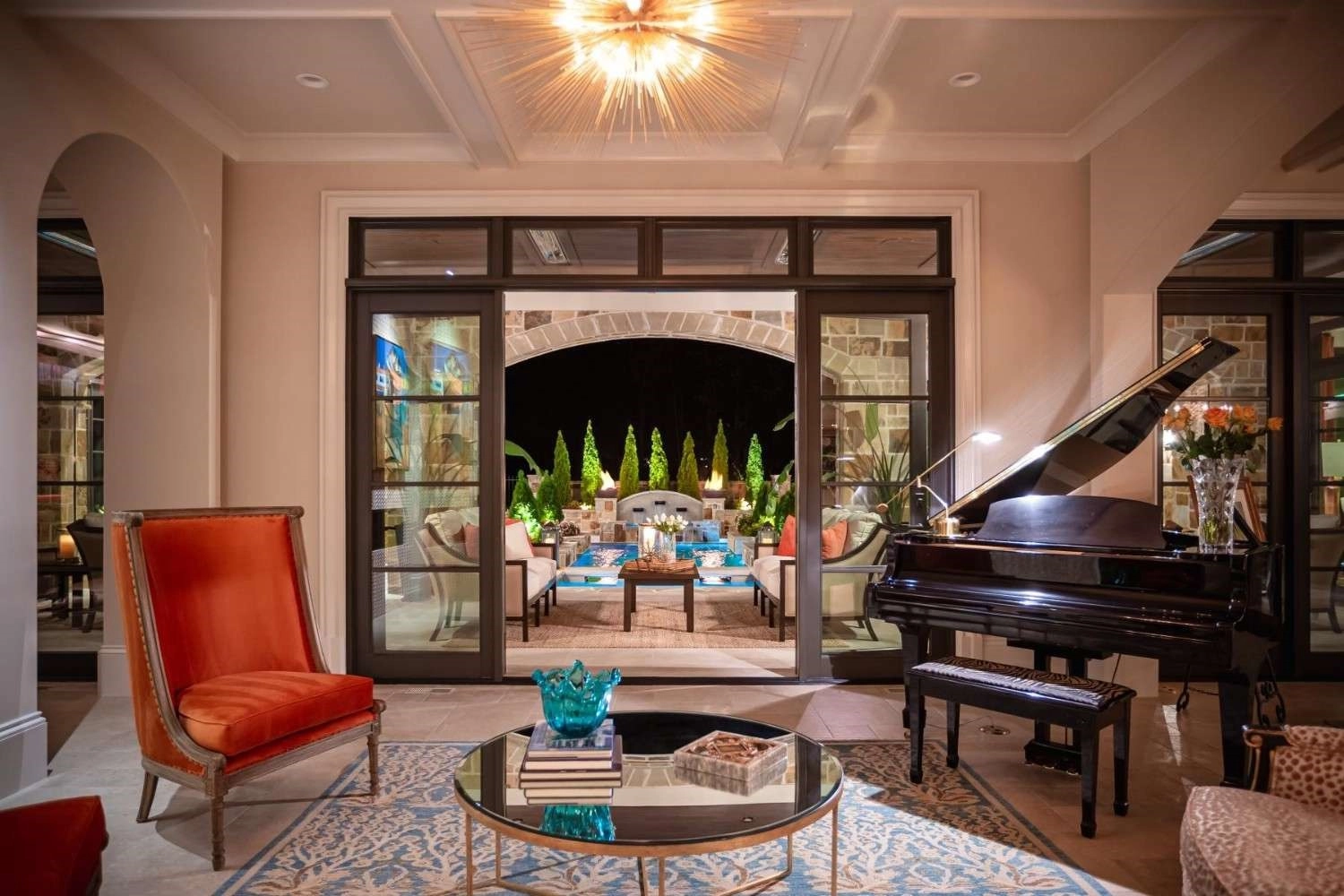
A well-planned patio, outdoor kitchen or pool changes how a Front Range home lives day to day and how it shows to buyers, but Colorado's climate sets real limits that a homeowner in a milder state does not face: hail season, a short pool-usable window, and freeze-thaw cycles that stress decking and equipment every winter. The projects that pay off here are engineered for that climate, not copied from a magazine spread shot somewhere warmer.
Yes, national buyer-preference research from the National Association of Home Builders consistently ranks patios among the most wanted home features, with the large majority of buyers rating a patio essential or desirable. On the Front Range, where outdoor living is central to the lifestyle buyers move here for, a functional patio or outdoor kitchen supports a stronger listing story than square footage alone.
| Pool type | Installed cost (Denver metro) | Season length |
|---|---|---|
| Above-ground | $4,000 to $12,000 | 3 to 4 months |
| In-ground fiberglass | $45,000 to $85,000 | 4 to 5 months |
| In-ground gunite/custom | $65,000 to $150,000+ | 4 to 5 months |
| Indoor or covered pool | $120,000+ | Year-round |
Working with a custom pool builder familiar with Front Range soil and climate conditions matters more here than in a warmer market, since the build has to account for expansive soil and a shorter usable season from the start.
Yes, an in-ground pool requires building, electrical and, in most cases, plumbing permits in Denver and every surrounding county, along with a fence or barrier permit that meets the local pool-barrier code. A simple paver or flagstone patio at grade does not require a permit in most jurisdictions; a raised patio, an attached structure, or gas and electrical lines for an outdoor kitchen does.
Most Front Range HOAs and metro districts require architectural review approval before ground is broken on a pool, and some HOAs restrict or prohibit private pools outright when the community already has a shared amenity pool. Submit plans, including fencing and equipment placement, before signing a contractor agreement, since a rejected plan after construction starts is far more costly to fix than to prevent.
Colorado's hail season runs spring through September, and unprotected outdoor kitchen surfaces, pool covers, and patio umbrellas take direct hits during that stretch. Choose impact-resistant countertop materials such as granite or concrete over softer stone, and store or retract pool covers and shade structures ahead of a forecast hailstorm rather than leaving them deployed.
Yes. Water that gets into small cracks in concrete decking expands as it freezes and widens the crack over repeated cycles, which is why Front Range pool and patio contractors specify air-entrained concrete and proper base compaction rather than a standard flat pour. Pool equipment, plumbing lines and outdoor kitchen water lines all need a full winterization protocol before the first hard freeze, which arrives in October or November most years.
The Front Range gets roughly 300 days of sun a year, which supports patio and outdoor kitchen use well beyond a typical summer window, especially with a fire feature or heater extending shoulder-season evenings. A pool's swimmable season runs shorter, late spring through early fall in most years, unless the owner invests in a solar cover or heating system to extend it.
Yes. Water lines, ice makers and any plumbed sink need to be drained or heat-traced before the first hard freeze, and gas lines should be checked annually for the flexible connections that can crack in cold, dry air. A grill or pizza oven left uncovered through winter snow and UV exposure loses its finish and seals faster than one stored or covered through the off-season.
Denver Water and other Front Range utilities set tap fees, and some apply seasonal watering restrictions that affect pool fill and top-off timing during drought years. Check with the local water provider before finalizing a pool size, since a larger pool means a larger initial fill and higher ongoing evaporation replacement in Colorado's dry climate.
A pool rarely returns its full construction cost at resale anywhere in the country, and Colorado's shorter usable season makes the payback slower than in a year-round warm climate. A pool can still support a stronger sale price on the right lot and price point, particularly in luxury and high-end Front Range neighborhoods where buyers expect one, but it is not a assured dollar-for-dollar return.
On an entry-level or mid-market home, a pool can narrow the buyer pool by adding maintenance cost and reducing usable yard space for buyers who prioritize a large flat lawn instead. On a luxury Front Range listing, a well-built pool integrated with the outdoor living space supports the sale rather than limiting it.
A basic outdoor kitchen with a built-in grill and counter runs $8,000 to $20,000; a full kitchen with a sink, refrigerator, pizza oven and bar seating runs $25,000 to $60,000 or more depending on materials and utility runs. Gas and electrical work requires a licensed contractor and a permit in every Front Range jurisdiction.
Covered patios, fire pits or fire tables, and outdoor kitchens rank highest in Denver metro buyer feedback, ahead of pools, largely because they extend usable living space across more months of the Colorado calendar without the maintenance cost of a pool. A modern pool design that pairs a smaller plunge or lap pool with a larger covered living area serves Front Range buyers better in most cases than a full-size traditional pool.
Yes, every Front Range jurisdiction requires a compliant barrier around an in-ground or above-ground pool with specific height, gate self-closing and self-latching requirements set by the local building code. Confirm the exact specification with the local building department before installing fencing, since requirements differ slightly between Denver, Jefferson County, Arapahoe County and other Front Range jurisdictions.
Higher UV exposure at 5,280 feet fades unprotected outdoor lighting fixtures and furniture finishes faster than at sea level, so choose UV-stabilized materials for anything left outside year-round. Landscaping around a pool or patio should also account for expansive clay soil, which shifts hardscaping if the base is not properly compacted and drained before installation.
The Kenna Real Estate Group helps Front Range sellers understand whether a pool, patio or outdoor kitchen will support a stronger sale price at their specific price point and neighborhood, and helps buyers weigh the maintenance cost of an existing outdoor feature before making an offer. Ask for the printable outdoor living upgrade checklist in the form below and we email it the same day. Call or text 303-955-4220. A live person answers. Not a robot, not a phone tree. Ready to see homes already on the market? Search every home for sale in Colorado.
Questions about any home in Colorado? Call or text 303-955-4220. A live person answers.
A pool supports a stronger sale on luxury and high-end Front Range listings where buyers expect one, but it rarely returns its full construction cost dollar for dollar on an entry-level or mid-market home.
A custom in-ground pool takes 3 to 6 months from permit approval to completion in most cases, depending on soil conditions, weather delays and how customized the design is.
A simple at-grade paver or flagstone patio does not require a permit in most jurisdictions; a raised structure, roof cover, or gas and electrical lines for an outdoor kitchen does.
Water left in pipes, pumps and filters can freeze and crack, leading to costly equipment replacement in spring; a full winterization protocol before the first hard freeze prevents most of this.
Yes, unprotected covers, umbrellas and softer stone countertops take damage during hail season, which runs spring through September on the Front Range.
Some Front Range HOAs restrict or prohibit private pools, especially communities with a shared amenity pool. Check the governing documents and submit plans for architectural review before signing a contractor agreement.
A covered patio or fire feature costs far less than a pool in nearly every case and extends usable outdoor time across more months of Colorado's 300 sunny days a year.
Yes, every Front Range jurisdiction requires a compliant barrier with specific height and self-latching gate requirements set by the local building code.