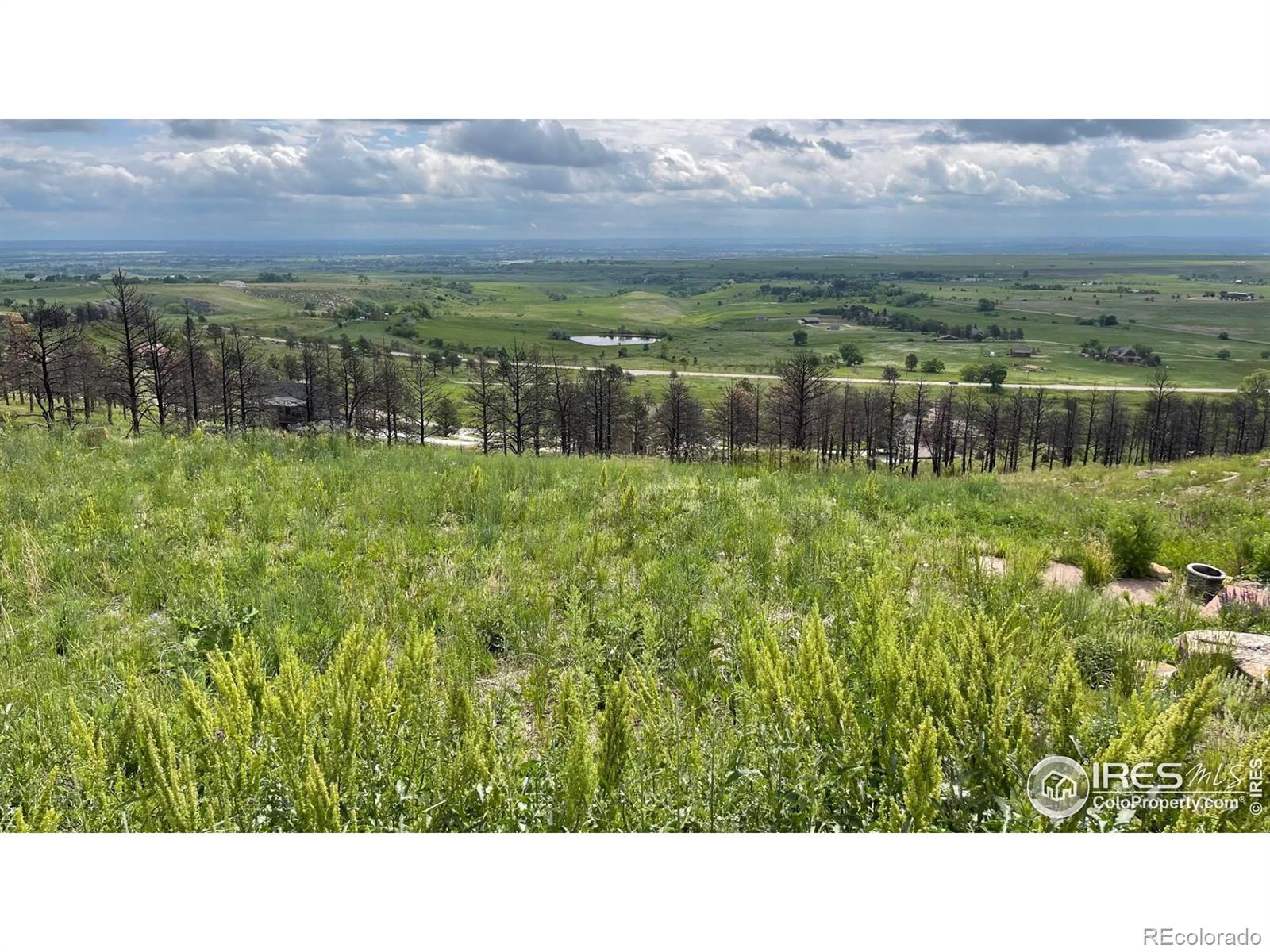
$1,075,000
Active
--
Beds
--
Baths
--
Sqft
2.18
Acres
9634 Mountain Ridge Dr, Boulder, CO 80302
MLS#: IR1025875
.jpg)


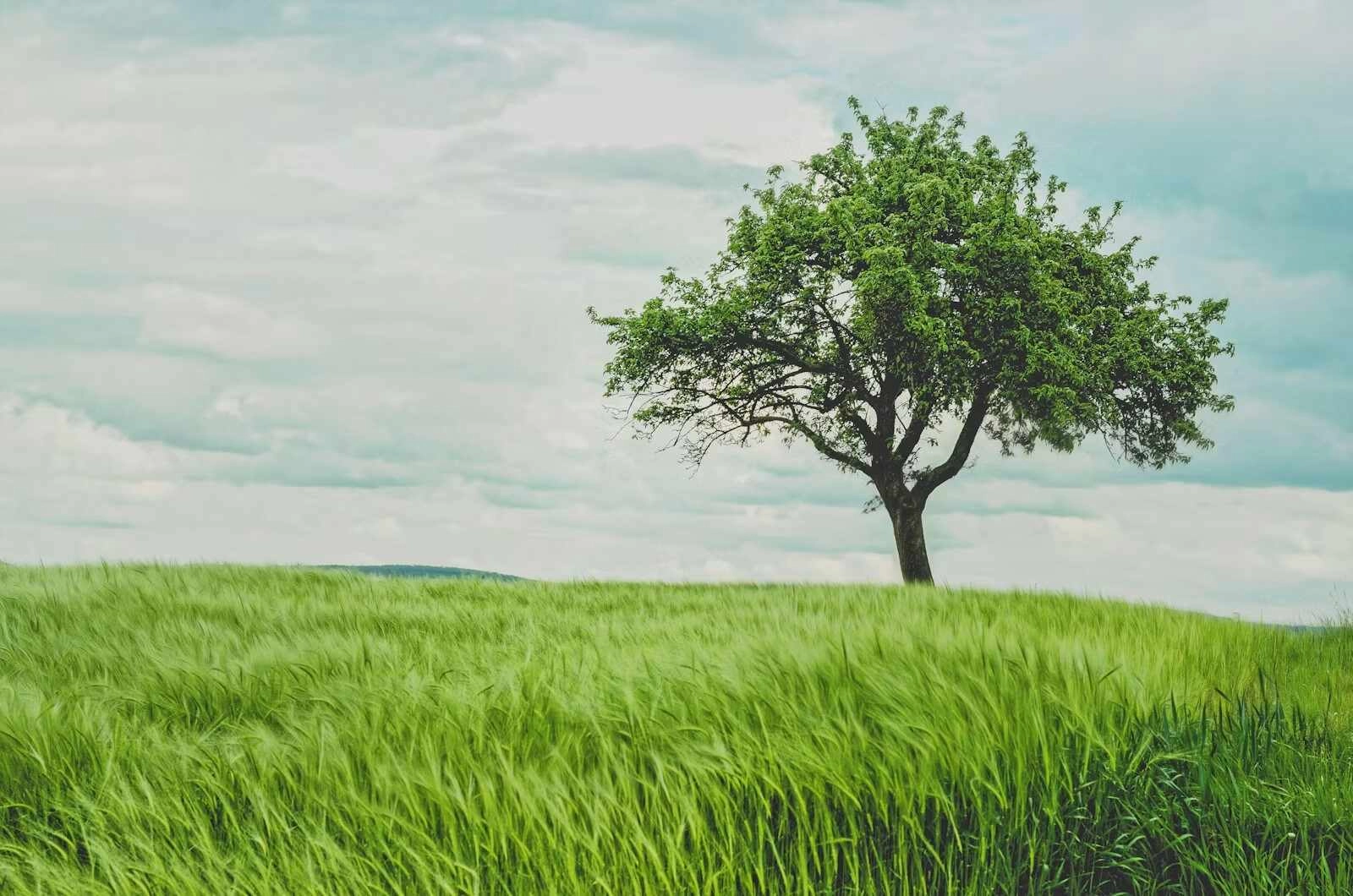
A mature, healthy tree in the right spot is one of the few landscape features a Front Range buyer can't get from a builder — it takes decades to grow, and buyers notice. The species matters as much as the size: a stressed or ash-borer-affected mature tree can subtract value where a drought-tolerant native adds it.
Yes, when the tree is healthy, correctly placed and a species suited to Colorado's climate. A large, well-shaped shade tree framing the front of a home is one of the strongest first impressions in a listing photo — see trusted tree service for what ongoing tree care actually involves.
Kentucky coffeetree, hackberry, bur oak, honeylocust and Colorado blue spruce are drought-tolerant, cold-hardy choices Front Range foresters recommend, and they hold up across the state's freeze-thaw swings and dry summers better than water-hungry species planted decades ago.
Yes. Emerald ash borer has spread through the Denver metro since it was confirmed in Boulder in 2013, and untreated ash trees decline and die over several years once infested. Ash was planted heavily as a Front Range shade tree for decades, so a mature ash on a property is worth a professional health check before closing, not after.
Several Front Range cities, including Denver, require a permit for right-of-way trees and for some large private trees. Check with the local forestry office before removing a mature tree — a permit issue can complicate a sale later even on a tree the owner considers their own.
Even established trees need supplemental deep watering during a dry stretch in Colorado's semi-arid climate, particularly non-native, water-hungry species. A slow soak every two to four weeks through summer for a tree that isn't on regular irrigation keeps roots from stressing.
Many Front Range HOAs include tree health and hazard maintenance in their covenants, and some restrict new plantings to an approved species list. Check your covenant before planting a new mature-growth tree near a shared property line.
A mature tree shading a home's south or west-facing windows and siding cuts direct summer sun on the hottest afternoons, lowering the cooling load on that side of the house. Placement relative to the sun's path matters more than the tree's overall size.
Yes. Spring-through-September hail and high wind events snap weak or storm-stressed limbs, and a mature tree with a full canopy catches more wind load than a young one. Regular pruning reduces the odds of major limb failure in a bad storm.
For a large tree near the home, the driveway or a fence line, yes — a certified arborist's health check runs a few hundred dollars and flags decline, root issues or storm risk a general home inspector wouldn't catch.
It can. In expansive clay soil, tree roots draw moisture unevenly from the ground near a foundation, worsening the heave and settlement clay already causes, and roots can intrude into aging clay or cast-iron sewer laterals — a common inspection item on older Denver homes.
Colorado State Forest Service defensible-space guidance for foothills properties calls for thinning and spacing trees within a set distance of the structure, not removing every mature tree on the lot. It's a spacing and maintenance standard, not a clear-cut requirement.
Pruning runs $300 to $1,200 per tree depending on size and access; removal of a large tree runs $800 to $3,500 or more; deep-root watering and fertilization service runs $150 to $400 per visit.
Significantly. A healthy, well-shaped mature tree framing the front elevation is one of the strongest visual cues in a listing photo, while a bare or storm-damaged tree pulls attention away from the house itself.
Yes — note any recent removal, major pruning or known tree health issues on the seller property disclosure, especially if a permit was involved or the work was tied to storm damage. See the full disclosure checklist in pricing your Colorado home to sell.
A newly planted tree reads as an investment in the property from the first season, but it won't carry the same visual or shade value as an established tree for 10 to 15 years. Choose the fastest-maturing species suited to your soil and sun exposure if resale timing matters. Browse more design ideas in this landscaping guide.
Topping — cutting main limbs back to stubs — weakens a tree's structure and triggers weak, fast regrowth that fails at a higher rate in a future storm. Proper crown-thinning pruning by a certified arborist keeps a mature tree's shape and structural strength intact, and it's the standard a buyer's arborist will expect to see in past maintenance records.
A sewer scope, common in Front Range home inspections on older properties, can reveal root intrusion from a nearby mature tree into a clay or cast-iron lateral. That finding becomes a negotiation point separate from the tree itself, and it's worth checking before a tree goes on a listing as a selling point.
An appraiser notes mature landscaping as a positive condition factor in the report, though it doesn't carry its own line-item dollar value the way a finished basement does. The bigger appraisal impact comes from comparable sales in the immediate area with similar mature trees, which the Kenna Real Estate Group can pull for your specific block.
Yes — a stand of mature trees planted at the same time by the original builder reaches the end of its healthy lifespan around the same years, which can front-load removal and replacement cost for a new owner. Ask the seller or a local arborist for the planting history where it's known, especially on a home built more than 30 years ago.
The Kenna Real Estate Group can tell you whether the mature trees on a listing help or hurt the sale, and what to fix before showings start. Call or text 303-955-4220. A live person answers. Not a robot, not a phone tree. Search every home for sale in Colorado while you plan your landscape.
Questions about any home in Colorado? Call or text 303-955-4220. A live person answers.
A healthy, well-placed mature tree strengthens curb appeal and shade value, while a declining or storm-damaged one can subtract from a buyer's first impression.
Thinning canopy, bark splitting and D-shaped exit holes are signs — a certified arborist can confirm and advise on treatment versus removal before closing.
Right-of-way trees always need approval, and Denver requires a permit for some large private trees as well — check with the forestry office first.
Even mature trees need a deep soak every two to four weeks during a dry stretch if they aren't on regular irrigation, especially non-native species.
Yes — roots near a foundation can worsen clay's natural heave and settlement, and can intrude into aging sewer laterals on older homes.
Expect $300 to $1,200 per tree depending on size and access, with removal running $800 to $3,500 or more for large trees.
Defensible-space guidance calls for thinning and spacing trees within a set distance of the structure, not removing every mature tree on the lot.
Count on 10 to 15 years before a newly planted tree reaches the shade and visual impact of an established one, depending on species and growing conditions.