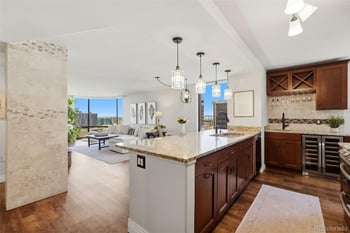
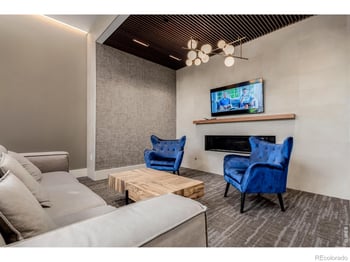
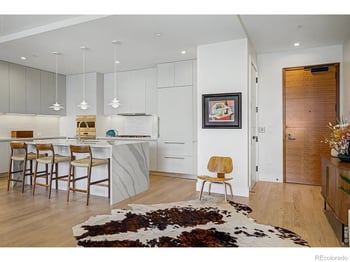
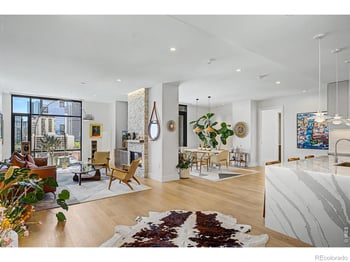
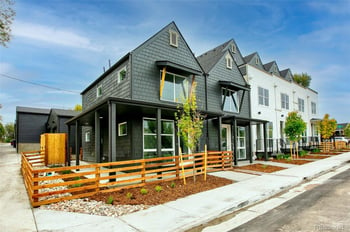
Open: Sat 1:00 PM - 3:00 PM
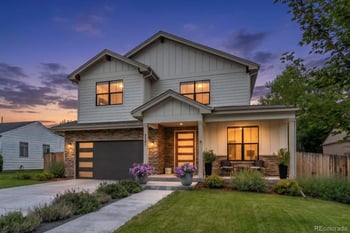
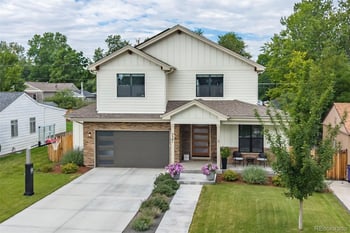
$1,500,000
Coming Soon
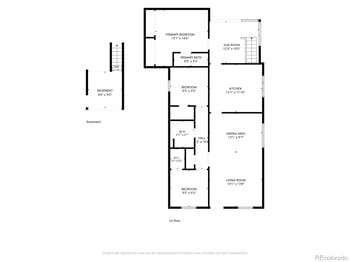
5
Beds
4
Baths
3857
Sqft
0.18
Acres
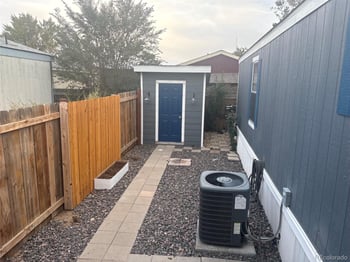
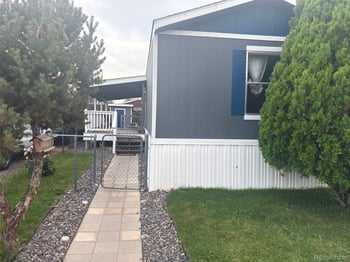
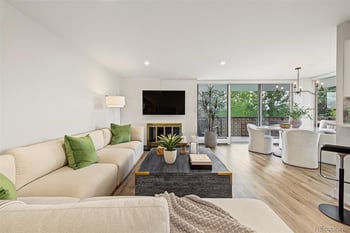
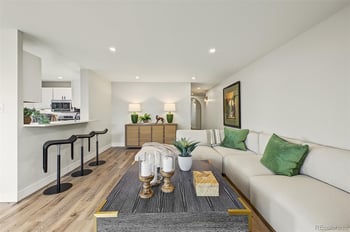
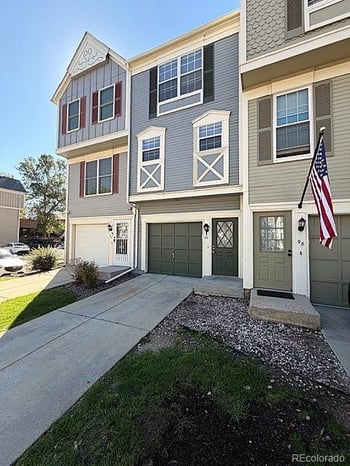
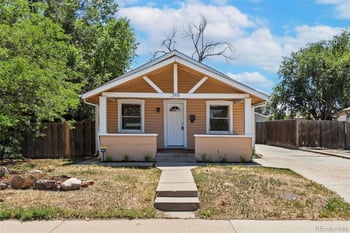
3341 S Fairfax St, Denver, CO 80222
MLS#: REC6269436
.jpg)



The fastest way to avoid moving again in five years is to read a Denver or Front Range neighborhood's trajectory before you sign anything: price trend, permit activity, rental ratio, and metro district debt tell you more than a single open house tells you.
A neighborhood trajectory is the direction a block or ZIP code has moved over the past five to ten years: growing, stabilizing, or declining. Denver metro neighborhoods move through these phases at different speeds depending on zoning changes, transit access, and how much buildable land is left. Reading the trajectory before you buy tells you whether the block you like today still fits your plans in 2031.
Pull the five-year price-per-square-foot history for the ZIP code from Kenna's Colorado market reports and compare it to the metro average. A neighborhood is still changing when price growth outpaces the metro by several points a year for three straight years. It has stabilized when growth tracks close to the metro average and turnover slows.
Five Points, RiNo, and Sunnyside saw the most visible change as warehouses and older housing stock turned into breweries, lofts, and infill construction. The Five Points area guide and Sunnyside area guide both cover the redevelopment that drove those changes. Established sections of Uptown and older Highlands Ranch pockets have held a steadier line.
A suburb with active platting and new subdivisions under construction is still in its growth phase. Prices climb as inventory fills in, then level off once the buildable land runs out. Check whether a suburb such as Erie, Brighton, or Castle Rock still has open land zoned for residential use before you assume today's price is the ceiling.
Three straight years of price growth above the metro average points to demand still catching up with a neighborhood's reputation. That is the window where you pay the least relative to where the area is headed, and also the window still most exposed to further change.
A metro district formed in the last five years is still carrying its early bond debt and is still building out amenities. Review the district's mill levy and bond schedule with the Denver special district and metro district tax guide before you buy into a newer community, since that debt sets your tax bill for years.
A high share of renter-occupied homes points to faster turnover and a neighborhood still finding its identity. A block of long-term owners changes more slowly. Ask for the owner-occupancy trend, not just the current snapshot, when you compare two Denver metro streets.
Denver's rezoning applications and zoning maps are public record through the city's zoning and land-use system. A cluster of rezoning requests near a property signals more redevelopment ahead. The Denver ADU, zoning, and historic district guide walks through how to read that activity for a specific block.
Building permit counts by ZIP code, published through Denver's open data portal and most Front Range city permit offices, show how much construction and renovation is already underway. A jump in permits over 12 to 18 months precedes a price move within two years far more consistently than the reverse pattern holds.
Established, built-out neighborhoods post lower repeat-move rates because prices and amenities have already settled. The neighborhoods in Centennial people rarely leave breaks down which specific pockets show the longest average ownership length.
As of 2026, parts of Brighton, Erie, Frederick, and Commerce City still have active subdivision buildout with room to run. Compare current listings across those areas with the Northern Colorado towns topping the best-places-to-live lists before you decide how much runway is left.
Empty storefronts and a vacant commercial strip near a residential block are one of the clearer early-decline signals, while new grocery, coffee, and service leases signal continued investment. Drive the commercial corridor nearest any home you are weighing, not just the residential block itself.
RTD light rail and new bus rapid transit corridors pull redevelopment toward their stations within a half mile in the years after they open. A neighborhood inside that radius with an announced transit project still has room to appreciate; one with mature transit access has already captured most of that lift.
Frequent special assessments mean an HOA is catching up on deferred maintenance in an aging community, or funding new amenities in a growing one, depending on the community's age. Ask for the HOA's last three years of meeting minutes and assessment history through the Denver HOA rules and fees guide before you buy.
Front Range growth follows secured water taps more than any other single factor. Areas with confirmed water rights and taps from Denver Water, Aurora Water, or a local district keep building; areas waiting on water infrastructure grow slower no matter how the location looks today.
Renting for six to twelve months before you buy is a sound way to test a neighborhood that is still in an active growth phase, especially if you are relocating from outside Colorado. It also gives you time to make settling in easier before you commit to a purchase in an area you have not lived in yet.
Ask for the five-year price trend, the owner-occupancy rate, any pending rezoning near the property, and the metro district's current debt load. Research on residential mobility backs the approach directly: unhappiness with a neighborhood's surroundings is what drives a repeat move, so the goal is matching the neighborhood's direction to your own five-year plan, not just today's price.
| Neighborhood Stage | Typical Annual Price Trend | 5-Year Repeat-Move Rate | Best Fit |
|---|---|---|---|
| Established (Uptown, older Highlands Ranch) | Tracks metro average | Low | Buyers who want to stay 10+ years |
| Growth-phase (Five Points, RiNo, Sunnyside) | Above metro average | Moderate | Buyers comfortable with continued change |
| Early-growth (parts of Brighton, Erie, Frederick) | Rising as buildout fills in | Higher | Buyers who prioritize price over predictability |
The Kenna Real Estate Group tracks price trends, permit activity, and metro district debt across every Front Range neighborhood we work in, so you get a straight answer about a block's direction before you write an offer. Call or text 303-955-4220. A live person answers. Not a robot, not a phone tree. Ready to compare neighborhoods yourself? Search every home for sale in Colorado.
Questions about any home in Colorado? Call or text 303-955-4220. A live person answers.
Pull the ZIP code's five-year price-per-square-foot trend from Kenna's market reports and compare it to the Denver metro average. Three straight years of above-average growth points to a neighborhood still in transition.
Active subdivision permits and open, residentially zoned land nearby are the clearest signs a suburb has not hit its ceiling yet.
A newly formed metro district is still paying down its early bond debt, which shows up as a higher mill levy until the debt is retired.
Six to twelve months gives you enough time to see a neighborhood through more than one season and check whether it fits your plans.
It points to faster turnover and a neighborhood that has not settled into its long-term identity yet.
Established, built-out areas such as older sections of Highlands Ranch and specific Centennial neighborhoods post the longest average ownership lengths.
An announced RTD line or station pulls redevelopment within a half mile over the five to seven years after it opens.
Denver's open data portal and most Front Range city permit offices publish permit counts by address or ZIP code.