New - Just Now

$392,000
Active
3
Beds
3
Baths
1898
Sqft
0.11
Acres
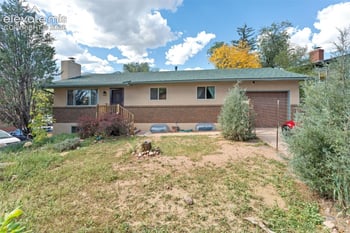
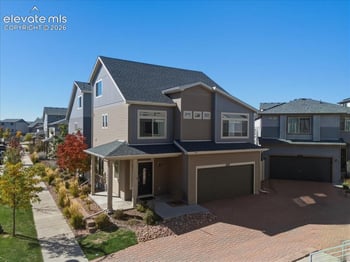
11193 Anhinga Ct, Colorado Springs, CO 80925
MLS#: 3087776
.jpg)



Buying a house in Colorado takes 12 steps and 10 to 20 weeks: 2 weeks to set the budget and get pre-approved, 2 to 10 weeks to search and write an offer, and 30 to 45 days under contract to closing. Every step under contract has a date in the Colorado Contract to Buy and Sell, so the second half of the timeline is fixed the day your offer is accepted.
This guide lays out the 12 steps in order with the week each lands in, what it costs, and the Colorado deadline attached to it. It applies to a financed purchase in the Denver metro, Colorado Springs or Northern Colorado; a cash purchase skips steps 8 and 9 and closes in 10 to 21 days.
| Step | Week | Colorado deadline or document | Cost to buyer |
|---|---|---|---|
| 1. Decide to buy | Week 0 | None | $0 |
| 2. Set the payment ceiling | Week 1 | None | $0 |
| 3. Pre-approval | Week 1 to 2 | Lender letter | $0 |
| 4. Sign the buyer agreement | Week 2 | Brokerage Disclosure to Buyer, Exclusive Right-to-Buy | $0 |
| 5. Search and tour | Weeks 2 to 10 | None | $0 |
| 6. Write the offer | Week 4 to 12 | Contract to Buy and Sell; Acceptance Deadline | $0 |
| 7. Earnest money and disclosures | MEC + 1 to 5 days | Earnest Money Deadline; Seller's Property Disclosure Deadline | 1% to 2% of price, credited at closing |
| 8. Inspection | MEC + 7 to 10 days | Inspection Termination, Objection and Resolution Deadlines | $700 to $1,200 |
| 9. Appraisal and title | MEC + 14 to 21 days | Appraisal Objection; Record Title and Association Documents Deadlines | $600 to $900 |
| 10. Loan approval | MEC + 21 to 28 days | New Loan Terms and New Loan Availability Deadlines | $0 until closing |
| 11. Closing Disclosure and walk-through | Closing minus 3 days | Closing Disclosure (federal); walk-through | Wire cash to close |
| 12. Closing and recording | MEC + 30 to 45 days | Closing Date; Possession Date and Time | 2% to 3% closing costs |
Buy if you plan to stay 5 years or more and your income is steady. Front Range buying costs of 2% to 3% and selling costs of 5% to 7% need 5 years of price growth and principal paydown to recover. If your horizon is shorter, keep renting and keep saving. The buy now or wait for lower rates in Colorado post runs the numbers on timing.
Set the number before you look at a single listing. The payment is PITI plus dues: principal, interest, property tax, homeowners insurance, mortgage insurance if under 20% down, and HOA or metro district charges. Keep it at or under 30% of gross monthly income and total debt payments under 36%. On the Front Range, insurance of $2,500 to $4,500 a year and a metro district mill levy move the payment more than a quarter point of rate does. The Denver payment scenario plan shows how to test three rate cases against one ceiling.
A pre-approval is a written commitment after the lender pulls credit and reads your income and asset documents; a pre-qualification is an estimate and does not count with a Colorado listing agent. Gather 30 days of pay stubs, two years of W-2s or tax returns, two months of bank statements and a photo ID. Mike Oswald, VP of Mortgage Lending at Rate, NMLS 261003, Equal Housing Lender, returns pre-approvals for the group's buyers in 24 to 48 hours. You are free to use any lender. The Colorado mortgage pre-approval guide and the Colorado home financing guide cover loan types, CHFA and metroDPA assistance.
Colorado brokers give you the Brokerage Disclosure to Buyer, a Commission form that explains buyer's agent and transaction-broker roles, and the Exclusive Right-to-Buy Listing Contract, the written agreement required before touring since August 2024. It sets the term, the areas and the compensation, which the offer asks the seller to pay in most 2026 Denver metro closings. The how we help buyers page explains what the Kenna Real Estate Group does under that agreement.
Search the live MLS feed on the Colorado home search, which carries every REcolorado and Pikes Peak listing with the agent's data. Set one saved search with a top price, a bedroom minimum and a commute boundary. Tour in blocks of 4 to 6 homes and score each on the same sheet. Colorado listings publish days on market, HOA dues and the tax amount on every record; use all three. Compare cities on the explore pages for Denver, Aurora, Castle Rock and Fort Collins.
The offer is the Colorado Contract to Buy and Sell Real Estate. Its Dates and Deadlines table sets every date in steps 7 through 12, so the offer is where the timeline is built. Set an Acceptance Deadline 24 to 48 hours out, attach the pre-approval letter, and name the inclusions. Ask for a seller concession of $5,000 to $15,000 toward closing costs on any home past 30 days on market. The making an offer on a Colorado home page walks through each section. When both sides sign, the contract is at MEC, mutual execution of contract, and the clock starts.
Wire 1% to 2% of the price to the title company named as earnest money holder by the Earnest Money Deadline. The seller delivers the Colorado Seller's Property Disclosure, the Square Footage Disclosure and the Source of Water disclosure by the Seller's Property Disclosure Deadline. Read all three before the inspector arrives. The what happens after your offer is accepted guide covers this week in detail.
Order the general inspection ($400 to $700), a 48-hour radon test ($125 to $200; Colorado is EPA Zone 1) and a sewer scope ($150 to $300 on any home built before 1980) the day after MEC. Before the Inspection Objection Deadline you terminate with your earnest money, object with a written request for repairs or credits, or accept. The seller answers by the Inspection Resolution Deadline; no signed resolution and the contract ends on its own. The Denver home inspector guide covers who to hire.
The lender orders the appraisal after inspection resolution. A low appraisal triggers the Appraisal Objection Deadline: renegotiate the price, cover the gap, split it or terminate with earnest money. In the same window the title company delivers the title commitment by the Record Title Deadline and the HOA delivers its budget, reserves and minutes by the Association Documents Deadline; both carry their own objection or termination rights. Bind homeowners insurance now, before the Property Insurance Termination Deadline.
The underwriter issues conditions: updated pay stubs, a letter for a deposit, the signed inspection resolution, the insurance binder. Answer each the same day. Do not open credit, change jobs or move money between accounts. The New Loan Terms Deadline and the New Loan Availability Deadline are your last chance to terminate with earnest money if the rate, the payment or the approval is not what you accepted. Clear-to-close follows in 3 to 7 days.
Federal rules require the Closing Disclosure at least 3 business days before closing. Compare it with the Loan Estimate line by line; the Colorado closing costs guide explains each fee. Confirm the title company's wiring instructions by phone at the number on the title commitment and send the wire one business day early. Walk the home 24 to 48 hours before closing to confirm repairs, inclusions and condition.
Sign at the title company with a photo ID; a financed closing takes 45 to 90 minutes. Colorado does not require an attorney. Once the lender funds, the deed goes to the county clerk and recorder; Denver, Arapahoe, Douglas and Jefferson counties record electronically within hours. Keys change hands at the Possession Date and Time in the contract. The Colorado closing checklist lists what to bring.
The Denver area home buying process post covers how the group manages each of these.
The Kenna Real Estate Group at Keller Williams DTC runs this 12-step timeline for every buyer: the payment ceiling, the pre-approval, the search, the offer, and a shared calendar of every Colorado contract deadline until the deed records. Call or text 303-955-4220. A live person answers. Not a robot, not a phone tree. Or start today and search every home for sale in Colorado.
Questions about any home in Colorado? Call or text 303-955-4220. A live person answers.
10 to 20 weeks: 2 weeks for budget and pre-approval, 2 to 10 weeks of searching, and 30 to 45 days under contract on a financed purchase. Cash purchases close in 10 to 21 days.
Mutual execution of contract, the moment both buyer and seller have signed the Contract to Buy and Sell. Every deadline in the Dates and Deadlines table counts from that day.
7 to 10 days on most Front Range contracts. The Inspection Objection Deadline is the last day to terminate with earnest money or ask for repairs in writing.
$1,300 to $2,100 up front: inspection $400 to $700, radon $125 to $200, sewer scope $150 to $300, appraisal $600 to $900. Earnest money of 1% to 2% is credited back at closing.
At least 3 business days before closing under federal rules. Compare it with the Loan Estimate and question any fee that grew.
Yes, if you terminate after the deadline that covers your reason has passed, or fail to close without a contract right to terminate. Before those deadlines it comes back in full.
No. Title companies close Colorado purchases and licensed brokers complete the Commission-approved contract. Hire an attorney for estate, divorce or seller-financed sales.
October through February bring the most seller concessions and the fewest competing offers; closing before hail season opens in the spring also gives you a full summer to replace an aging roof on your own schedule.