.jpg)


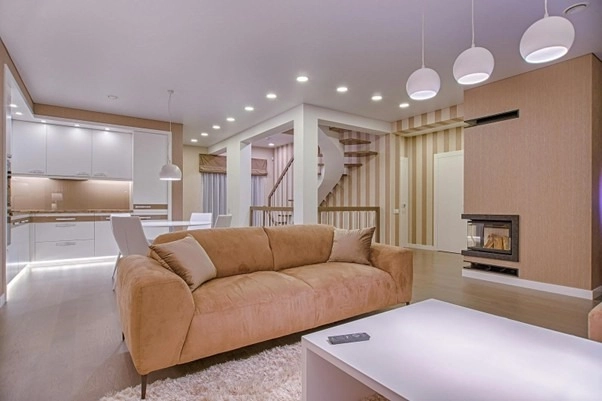
Furniture for a Front Range apartment needs to survive conditions most national buying guides don't mention: dry indoor air that can crack leather and loosen wood joints, intense high-altitude sun that fades fabric fast, and hard water that leaves spots on metal finishes. Size and material matter as much as style.
How does Colorado's dry air affect wood and leather furniture?
Denver's average indoor humidity runs well below the 30% to 50% range most furniture manufacturers design for, and forced-air heat during the winter months pulls it even lower. Solid wood pieces can develop small cracks or joint gaps within a year or two without a humidifier nearby, and leather dries and cracks faster without regular conditioning.
Does Front Range sun fade furniture faster than in other climates?
Colorado gets close to 300 days of sun a year, and UV intensity at 5,280 feet of elevation runs higher than at sea level, which fades fabric upholstery and finished wood noticeably faster near south- and west-facing windows. UV-filtering window film or curtains protect furniture placed in direct light, and darker or performance fabrics resist fading better than light, untreated cotton.
What furniture sizing works for a typical Denver-area apartment floor plan?
Measure doorways, hallway turns, and stairwells before ordering anything, since many older buildings in Capitol Hill, Baker, and other central Denver neighborhoods have narrower entries than newer suburban construction. A sectional that won't turn a tight hallway corner is one of the most common return reasons apartment renters run into.
How does hard water affect metal and finished furniture in Colorado?
Front Range tap water carries more dissolved minerals than many other regions, and that hard water leaves visible spotting on chrome, brushed nickel, and other metal furniture finishes near sinks or humidifiers. Wipe metal surfaces dry after any water contact rather than letting them air-dry, which is when spotting sets in.
What's a reasonable furniture budget for a first Front Range apartment?
A basic one-bedroom setup — bed frame, mattress, couch, dining table, and a few storage pieces — runs $2,000 to $4,000 new, or $800 to $1,500 buying a mix of new and gently used pieces. Prioritize the mattress and couch first; those two items see the most daily use and are hardest to replace quickly if the budget runs short. Watch for seasonal clearance sales around major holiday weekends, when larger furniture pieces at Front Range retailers see the deepest discounts of the year.
Should you buy or rent furniture for a short-term Colorado lease?
Furniture rental makes sense for a lease under 12 months or a relocation still confirming a longer-term Front Range neighborhood, since the monthly rental cost avoids a full furniture purchase you'd need to move again soon. For anything longer, buying pays off faster, especially for larger pieces like a bed frame or dining set.
What furniture pieces matter most to buy first when moving into a new apartment?
Bed frame and mattress, a couch, and a dining or work table cover daily needs; storage furniture and decor can follow over the first few months. Buying everything at once before seeing how you actually use the space leads to pieces that don't fit the real layout or routine.
How do you furnish a small apartment near downtown Denver or Boulder?
Multi-purpose furniture — a storage ottoman, a table that expands for guests, a daybed that doubles as a couch — matters more in a studio or one-bedroom near downtown Denver or Boulder than in a larger suburban floor plan. Measure the actual square footage before shopping rather than estimating from listing photos, which can make small rooms look larger than they are.
Does HOA or building policy restrict furniture on balconies in Colorado?
Many Denver-area condo and apartment buildings restrict what's visible from the street or shared courtyard, including balcony furniture style and color. Check the building's rules before buying outdoor furniture for a balcony, since some HOAs require specific materials or limit storage items kept outside.
How do you protect furniture from Colorado's freeze-thaw temperature swings?
Keep furniture away from exterior walls and uninsulated spaces like a garage or unheated sunroom, where temperature swings between a 70-degree afternoon and a 10-degree night are common along the Front Range in shoulder seasons. Wood and veneer pieces are more sensitive to these swings than upholstered furniture.
What furniture materials hold up best at 5,280 feet of elevation?
Solid hardwood with a sealed finish, performance fabrics rated for UV resistance, and metal frames with a powder-coat finish all hold up better than particleboard, untreated fabric, or raw metal in Colorado's combination of dry air, intense sun, and hard water. A quality outdoor furniture line built for sun exposure translates well to a Front Range patio or balcony for the same reason, since both climates demand materials engineered to resist fading and warping under near-constant sun.
How do you furnish an apartment on a moving timeline of a few weeks?
In-stock furniture from a local Denver-metro retailer beats special-order pieces when the timeline is tight — custom orders can run 6 to 12 weeks, longer than most lease start dates allow. Ask about delivery windows before purchasing anything that needs to arrive by move-in day.
Should outdoor furniture be stored during a Colorado winter?
Cushions and fabric pieces should come inside or into a storage unit before the first hard freeze, while metal and hardwood frames rated for outdoor use can stay out under a weatherproof cover through most of a Colorado winter. Snow load on an uncovered patio set can also damage lighter frames over a winter season, so brush accumulated snow off any piece left outside rather than letting it sit.
How do you avoid overbuying furniture before seeing the space in person?
Wait to buy large pieces until after the final walkthrough or move-in day, when you can measure rooms and test natural light in person rather than relying on a floor plan. Renters who furnish sight-unseen from photos alone end up returning oversized pieces more than any other group.
What's the difference between furnishing a rental and furnishing a home you own?
Rentals favor flexible, easy-to-move pieces since a lease runs 12 months before another move in most cases; an owned home supports investing in built-ins, custom sizing, and higher-end materials meant to last a decade or more. Buyers moving from a rental into their first Colorado home find their existing furniture doesn't scale to the larger rooms — the Colorado Home Buyer's Guide covers what changes once you own instead of rent.
Where to go next
- Search every home for sale in Colorado
- The Colorado Home Buyer's Guide
- Explore Denver neighborhoods
- Furnished Rentals in Denver: What Furniture Attracts the Best Tenants
- Why Amish Furniture Is a Smart Choice for a Sustainable Home in Colorado
- Meet the Kenna Real Estate Group agents
Talk to the Kenna Real Estate Group
Whether you're furnishing your first Front Range apartment or planning the move into a home you'll own, the Kenna Real Estate Group can walk you through what changes about space, storage, and layout along the way. Call or text 303-955-4220. A live person answers. Not a robot, not a phone tree. Ready to look at homes? Search every home for sale in Colorado.
Homes for sale that match this post
Guides
Questions about any home in Colorado? Call or text 303-955-4220. A live person answers.