New - 15 Mins Ago

.jpg)


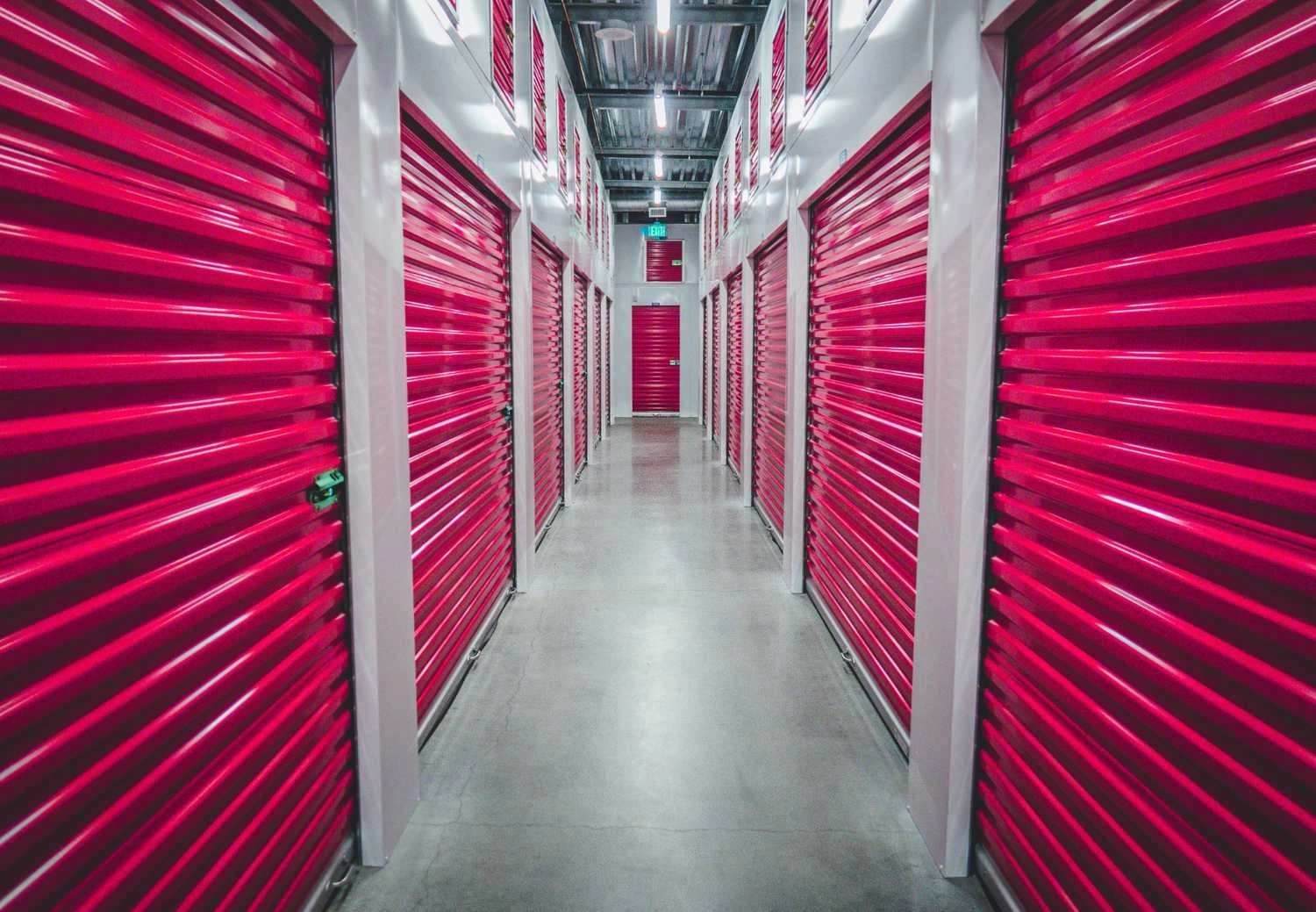
For a sense of unit sizes and pricing structure, see this self-storage facility listing. Choosing a self-storage unit comes down to three decisions: size, climate control, and access — in that order. Get the size wrong and you pay for space you don't use; get climate control wrong in Colorado and you risk warped wood furniture and cracked leather from a garage-style unit that swings 60 degrees between a July afternoon and a January night.
A 5x10 unit holds the contents of a one-bedroom apartment, a 10x10 fits a two-bedroom condo, and a 10x20 covers a full 3 to 4-bedroom Front Range home during a move or a remodel. Facility staff across the metro will walk a room list with you before you commit, since undersizing is the most common mistake first-time renters make, and most facilities let you upgrade to a larger unit mid-lease if the first size runs short.
For wood furniture, musical instruments, electronics, and anything leather, yes. Colorado's dry air and wide temperature swings between summer heat and winter cold stress materials that a standard drive-up unit doesn't regulate. Climate control adds roughly 25% to 50% to the monthly rate but prevents the warping and cracking that shows up after a season or two in an unregulated unit.
A standard 10x10 unit runs $100 to $180 a month across the metro, with climate-controlled units landing at $130 to $230. Rates shift by neighborhood and by season — demand and price both climb in spring and summer, when the metro sees the most moves and listings.
Gated access with an individual entry code, on-site video coverage, and individually alarmed units are the three features worth paying more for. Perimeter lighting and motion-triggered lights around the unit rows add a layer that a facility without them can't match.
Interior access with a covered loading area beats a drive-up unit once snow and ice show up on the Front Range, since you're not scraping a unit door or hauling boxes across an icy lot. Drive-up units still make sense for bulky, weather-tolerant items like patio furniture or a boat.
Moving excess furniture and personal items into storage before listing photos and showings is one of the highest-return prep steps a Front Range seller can take, since it directly supports the decluttering work covered in the Preparing and Adding Value Before Selling guide. Book the unit for at least the full listing-to-closing window — 45 to 90 days in a normal Denver metro market — rather than month to month, since a short-term contract can cost more per day than a fixed multi-month rate.
Skip candles, liquid paint, electronics with lithium batteries stored long-term, and anything that can freeze and crack, like unopened bottles or canned goods. A standard unheated unit in the Denver metro can swing from well below freezing in January to over 100°F in July, which most household liquids and electronics aren't built to handle.
Solid wood furniture holds up for a year or more in a climate-controlled unit but can start showing joint separation and finish cracking within a single Colorado season in an unregulated drive-up unit. Cover wood pieces with breathable furniture blankets rather than plastic, which traps condensation during temperature swings.
Yes — a short-term unit gives 55+ downsizing buyers room to sort belongings between selling the larger home and moving into a smaller ranch or patio home, without rushing decisions the day of the move. The Downsizing in the Denver Metro guide covers the home types and typical costs for this move.
Read the rate-increase policy closely — many facilities offer a low introductory rate that jumps after 3 to 6 months. Also confirm whether the facility carries its own insurance on the building versus requiring renters to insure their own contents, since most facilities require the latter.
Portable containers dropped at the curb work well for a direct move between two Colorado addresses, since you pack once and skip the extra loading trip to a facility. They're a weaker fit for longer-term storage during a slower sale, since most portable container companies charge more per month than a standard facility once the container sits past 60 to 90 days.
Seal boxes rather than leaving them open, and use a few silica gel packs in boxes holding electronics or documents, since dry air still carries fine dust that settles into anything uncovered. Vacuum-sealed bags work well for off-season clothing and bedding stored more than a few months.
A 10x15 or 10x20 unit covers most 3-bedroom homes in Aurora, Lakewood, or Centennial, including major appliances and a couch, but confirm with the facility if you're also storing a mattress set and dining furniture, which eat up floor space fast.
Yes — a short-term unit gives a landlord a place to stage furniture for a furnished rental listing or to hold items left behind by a previous tenant during the legally required notice period before disposal. Colorado landlords should confirm their county's specific abandoned-property notice requirements before disposing of anything a former tenant left behind.
Book 2 to 4 weeks ahead during the metro's busy spring and summer moving season, when climate-controlled units in popular areas can sell out. Fall and winter bookings need just a few days' notice in most Front Range facilities.
Most homeowners and renters insurance policies extend limited off-premises coverage to a storage unit, but check the dollar limit — it runs lower than what's covered inside the home in most policies. Facilities also sell their own storage insurance or require proof of coverage before move-in.
If a storage plan is part of your next move, sale, or downsizing decision along the Front Range, the Kenna Real Estate Group can time it against your listing and closing schedule so you're not paying for a unit longer than you need. Call or text 303-955-4220. A live person answers. Not a robot, not a phone tree. Or start now: search every home for sale in Colorado.
Questions about any home in Colorado? Call or text 303-955-4220. A live person answers.
A 5x10 unit covers most one-bedroom apartments; a 10x10 fits a two-bedroom condo.
Roughly $130 to $230 a month for a 10x10 unit, about 25% to 50% more than a standard drive-up unit.
For wood furniture, electronics, instruments, and leather, yes. Colorado's dry air and wide temperature swings stress those materials in an unregulated unit.
2 to 4 weeks during spring and summer, the metro's busiest moving season; fall and winter needs just a few days' notice at most facilities.
Many policies extend limited off-premises coverage, but the dollar limit runs lower than in-home coverage, so check before relying on it.
Yes. Moving excess furniture into a short-term unit is one of the highest-return prep steps before showings, alongside a general decluttering pass.
Liquid paint, candles, canned goods, and long-term stored electronics, since an unheated unit swings from well below freezing to over 100°F across the year.


