New - 30 Mins Ago

.jpg)


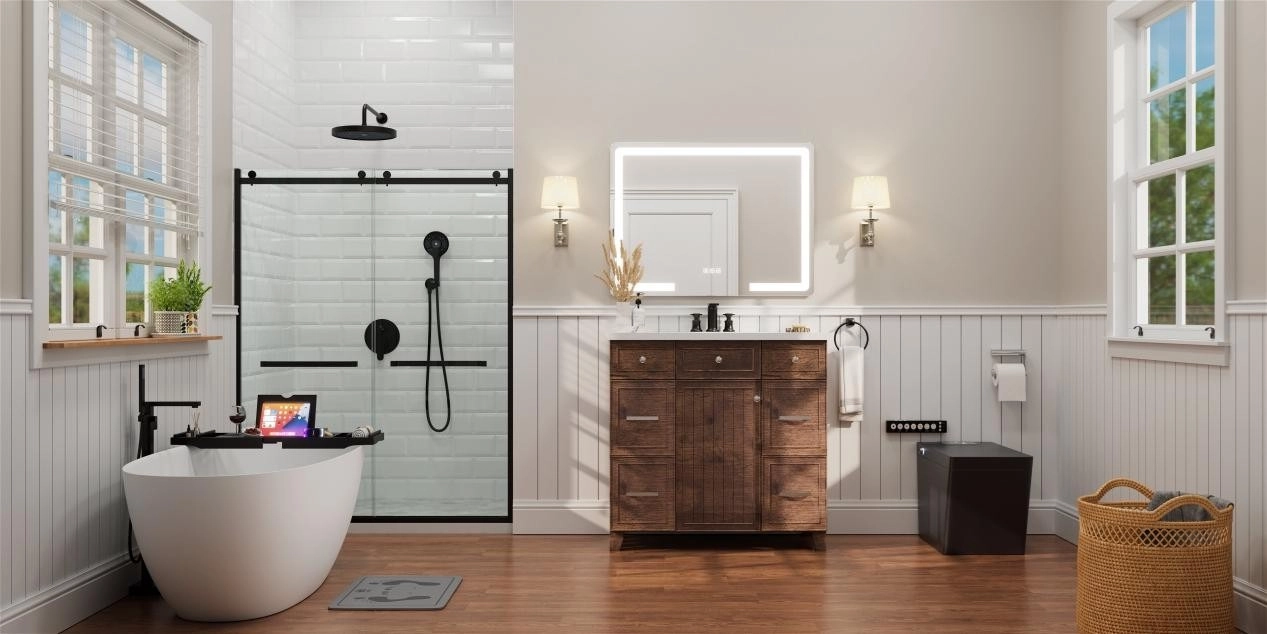
A bathtub adds resale value to a Front Range home when it replaces a dated or damaged one and the home has at least one other bathroom without a tub sacrificed to do it. The return comes from removing a buyer objection, not from the tub itself, so the type, condition and placement of the tub matter more than the brand.
Most Front Range buyers rule out a home with zero bathtubs, even when every bathroom has a walk-in shower, because a stall shower cannot handle bathing a pet or rinsing off after yard work the way a tub can. Appraisers and agents in the Denver metro treat a home with no tub at all as a resale limitation, because it narrows the buyer pool. The rule of thumb local agents use: keep at least one full bathroom with a tub, even in a primary suite remodeled with a large walk-in shower.
Replacing a cracked, stained or outdated tub in a secondary bathroom returns more of its cost at resale than adding a second tub to a home that already has one. A full secondary bathroom remodel including a new tub, tile surround and vanity on the Front Range runs $8,000 to $18,000 depending on finish level, and appraisers factor a portion of that into updated comparable sales rather than crediting it dollar-for-dollar. A primary suite soaking tub is a lifestyle upgrade for the current owner more than a value driver for the next buyer.
Freestanding tubs do not need to sit against a wall and work well as a focal point in a larger primary bathroom, running $1,200 to $4,000 for the tub alone before installation and plumbing rework, which adds another $2,000 to $5,000 if the drain and supply lines need to move. Built-in tubs install against a wall or in a tiled alcove, integrate with existing plumbing more cheaply, and cost less overall to install in a secondary bathroom. For resale in a secondary bath, a built-in tub with a tiled surround is the more cost-effective choice.
Cast iron tubs hold heat well and last decades, with some manufacturers backing them for 50 years, which matters for rental property owners looking to reduce maintenance calls and replacement frequency. Acrylic and fiberglass tubs cost less upfront but scratch and fade faster under UV exposure if placed near a window, which matters more at 5,280 feet where UV intensity runs higher than at sea level. Solid surface tubs sit between the two on cost and durability, with a smooth, repairable finish that resists the surface crazing that dry Colorado air can cause in lower-grade acrylic over time. Whatever material you choose, use a caulk rated for temperature swings, since Front Range homes see wide daily temperature changes that stress standard caulk faster than milder climates.
Direct-to-consumer brands like Giving Tree Home sell bathtubs at lower price points by cutting out traditional retail markup, with freestanding bathtubs starting under $1,000 and solid surface bathtubs offering a durable middle-tier option. Established brands like Kohler and Jacuzzi cost more but carry stronger brand recognition with buyers touring the home, which can matter in a competitive listing photo set. See a comparison of renowned bathtub brand options before you commit to one.
| Tub type | Typical cost range | Best use |
|---|---|---|
| Built-in, tiled surround | $1,500 to $4,500 | Secondary bathroom resale upgrade |
| Freestanding acrylic or solid surface | $1,200 to $4,000 plus plumbing | Primary suite focal point |
| Cast iron built-in | $1,800 to $5,000 | Rental property or long-hold home |
A full secondary bathroom remodel including a new tub, tile, vanity and fixtures on the Front Range runs $8,000 to $18,000 for a mid-grade finish and $18,000 to $35,000 for a high-end finish. See a detailed breakdown at how much is a bathroom remodel in 2026 and check which finishes matter most for resale at bathroom tile choices that help a home sell faster.
Colorado landlords renting to a broad tenant pool keep at least one tub per unit, since a shower-only unit narrows the pool of applicants who submit an application. Cast iron and solid surface tubs cost more upfront for a rental but reduce maintenance calls over a multi-year hold, which offsets the higher purchase price for owners planning to keep the property for five years or more.
Replace a tub before listing if it is cracked, heavily stained, or an outdated color like almond or harvest gold that reads as dated in listing photos. Do not replace a tub that is in good condition purely for cosmetic preference; that budget is better spent on paint, lighting and decluttering, which move faster-selling comparable sales more consistently than a tub swap alone. Get a pricing opinion on your specific home before you decide where to spend a renovation budget at pricing your Colorado home to sell.
Once the tub is in good condition, staging drives how it photographs more than the fixture itself. Clear the tub deck of bottles and clutter, add two neutral towels and a single plant or tray, and shoot with the bathroom's own lighting supplemented by a bounce light rather than the on-camera flash, which washes out tile color in listing photos. Buyers scrolling the Denver MLS on a phone screen decide whether to click into a listing within seconds, and a cluttered or poorly lit bathtub photo costs more showings than an outdated tub color ever will.
In a three-or-more-bedroom Front Range home, keep a tub in the bathroom nearest the secondary bedrooms even if the primary suite gets a walk-in shower only. In a one- or two-bedroom condo, one tub anywhere in the unit is enough to avoid narrowing the buyer pool. Ask your agent which floor plan and bathroom layout is selling fastest for homes like yours in your specific Front Range ZIP code before you decide where the tub budget goes.
Moving a tub's drain or supply lines, or converting a tub into a curbless shower, requires a plumbing permit in Denver, Aurora, Lakewood, Littleton and most other Front Range cities once the work goes beyond a like-for-like fixture swap. Permit review and inspection add one to three weeks to a remodel timeline. Confirm the permit requirement with your city or county before your contractor starts demolition, since unpermitted plumbing work can surface as a disclosure issue when you sell.
The Kenna Real Estate Group tells Front Range sellers which bathroom upgrades actually move the sale price and which ones only move the budget. Call or text 303-955-4220. A live person answers. Not a robot, not a phone tree. Thinking about your next home instead? Search every home for sale in Colorado.
Questions about any home in Colorado? Call or text 303-955-4220. A live person answers.
Replacing a damaged or dated tub removes a buyer objection and helps a home compare well against similar listings, but it does not return dollar-for-dollar. Removing the only tub in a home hurts resale value more than a new tub helps it.
Reglazing an existing tub in good structural condition costs $300 to $600 versus $1,500 or more for a full replacement, and it removes discoloration and surface wear that shows in listing photos.
No, but keep at least one full bathroom with a tub in the home. A home with zero bathtubs narrows the buyer pool because a stall shower cannot replace every use a tub covers.
Cast iron holds up best over decades and resists the surface crazing that lower-grade acrylic can develop under strong Front Range UV exposure and dry air.
Budget $1,200 to $4,000 for the tub plus $2,000 to $5,000 for plumbing rework if the drain and supply lines need to move to a new location.
Most Colorado landlords keep at least one tub per rental unit to widen the pool of prospective tenants, choosing cast iron or solid surface for lower long-term maintenance.