New - 1 Hour Ago

.jpg)


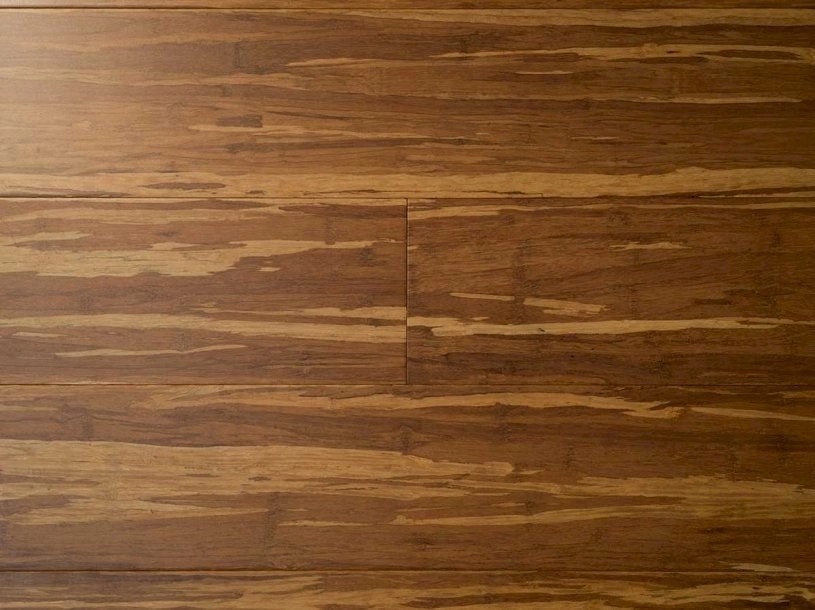
Bamboo floors need steady indoor humidity to stay gap-free in Colorado, because the Front Range runs at 20% to 40% relative humidity for most of the year — drier than almost anywhere Ambient bamboo flooring or any other bamboo product is manufactured for. Keep whole-home humidity between 35% and 50% with a humidifier, clean weekly with a dry microfiber mop, and choose strand-woven bamboo over traditional horizontal or vertical bamboo for better stability in a dry climate.
Bamboo is a grass, not a hardwood, and it moves more with moisture swings than oak or maple does. Denver's average relative humidity sits well below the 40% to 60% range most flooring manufacturers design for, so planks shrink slightly in winter when furnace heat dries the air further, opening thin gaps between boards. The gaps close back up again in most homes once summer humidity rises, unless the floor sat in single-digit humidity for weeks at a stretch.
Keep whole-home relative humidity between 35% and 50% year-round. A furnace-mounted whole-home humidifier holds this range through a Front Range winter more reliably than portable room units, and a $15 hygrometer on the wall tells you whether it's working. Below 30% for an extended stretch is where gapping and edge-cracking show up on bamboo specifically.
Yes. Colorado gets close to 300 sunny days a year, and UV intensity at 5,280 feet runs meaningfully higher than at sea level. South- and west-facing rooms with bamboo flooring fade and yellow faster here than the same floor would in a lower, cloudier climate. UV-filtering window film or UV-blocking curtains on the sunniest exposures slow the fading; rotating rugs every few months evens out the wear that does happen.
For a full walkthrough of products and technique, the cleaning techniques outlined by Bob Vila apply directly to a Colorado home, with the humidity notes above added on top.
Light surface scratches buff out with a bamboo-specific touch-up kit matched to the floor's finish color. Deeper gouges that reach the wood need a professional spot-refinish, and a full sand-and-refinish is the fix once scratches cover a large area rather than isolated spots. Felt pads under furniture legs and a no-shoes policy in entryways prevent most of the damage before it happens.
Bamboo flooring lives indoors, so the outdoor freeze-thaw cycle only reaches it indirectly, through the dry heated air a Front Range furnace produces to fight the cold. The bigger indoor risk in a Colorado winter is a sudden humidity drop when the furnace runs constantly during a cold snap; a humidifier set to maintain 35% to 50% offsets it.
Engineered strand-woven bamboo rated for radiant heat works over in-floor systems common in newer Denver metro construction, provided the installer keeps subfloor temperature under the manufacturer's limit, commonly capped near 85°F. Solid bamboo is not rated for radiant heat; check the product spec sheet before installing over any heated subfloor.
Static builds up on any hard floor when indoor air runs dry, and bamboo is no exception during a Colorado cold snap. Humidity control fixes the root cause; a light application of dryer sheets on socks or an anti-static floor spray handles it in the short term.
Homes closer to the foothills and higher elevations see wider daily temperature swings and even lower humidity than the Denver metro floor, which makes humidity control more important, not less. Strand-woven bamboo, the densest and most stable type, is the better choice for a foothills or mountain-adjacent home over traditional bamboo construction.
| Type | Stability in dry climates | Typical hardness |
|---|---|---|
| Traditional horizontal/vertical bamboo | Gaps and cups more in low humidity | Comparable to red oak |
| Strand-woven bamboo | Most stable option for Colorado's humidity swings | Comparable to or harder than hickory |
Most bamboo floors need a full refinish every 7 to 10 years in a well-maintained Front Range home, sooner in high-traffic entryways and rooms with strong afternoon sun. A screen-and-recoat between full refinishes, roughly every 3 to 5 years, extends the finish and costs a fraction of a full sand-down.
Buyers touring a Denver metro listing respond well to bamboo when it's in good condition and reads as intentional, but a floor with visible gapping, fading, or scratches reads as deferred maintenance instead. A quick screen-and-recoat before listing photos go live costs far less than the price cut a worn floor invites.
Keep nails trimmed short and even with the paw pad, add runners in main hallways, and choose a harder strand-woven product over softer traditional bamboo if you're flooring a home with an active dog. A matte or low-sheen finish also hides light nail scuffs better than a high-gloss finish does.
A whole-home humidifier tied into the furnace, sized for the square footage of the house, holds humidity more evenly than portable units placed room to room. Set it to maintain 35% to 50% and check it against a wall-mounted hygrometer, since furnace humidistats drift out of calibration over a heating season and can run drier than the dial suggests.
Floating bamboo floors are a realistic DIY project for an experienced homeowner, but the acclimation step matters more here than in a humid climate: let the flooring sit in the room, out of the box, for the manufacturer's recommended acclimation period, commonly 3 to 5 days, so the planks adjust to the home's actual humidity before installation. Skipping acclimation in Colorado's dry air is the most common cause of gapping within the first year, DIY or professional.
We walk sellers through which flooring fixes actually move a Front Range listing and which ones a buyer will never notice, before you spend a dollar refinishing anything.
Call or text 303-955-4220. A live person answers. Not a robot, not a phone tree. Ready to look now? Search every home for sale in Colorado.
Questions about any home in Colorado? Call or text 303-955-4220. A live person answers.
35% to 50% relative humidity year-round, held with a whole-home humidifier through the dry winter months.
Yes in most cases, once indoor humidity rises again in summer, unless the floor sat in very low humidity for weeks.
Yes. Strand-woven bamboo is denser and more dimensionally stable, which handles Colorado's humidity swings better than traditional horizontal or vertical bamboo.
Sweep or dry-mop daily, vacuum weekly with a hard-floor setting, and damp-mop only with a cleaner made for bamboo floors. Never steam mop.
Yes, because of close to 300 sunny days a year and higher UV at 5,280 feet. UV window film and rotating rugs slow the fading in sun-facing rooms.
A full refinish every 7 to 10 years, with a screen-and-recoat every 3 to 5 years in between to extend the finish.
Engineered strand-woven bamboo rated for radiant heat can, if subfloor temperature stays under the manufacturer's limit. Solid bamboo is not rated for radiant heat.


