New - Just Now

$2,095,000
Active
4
Beds
5
Baths
4446
Sqft
0.11
Acres
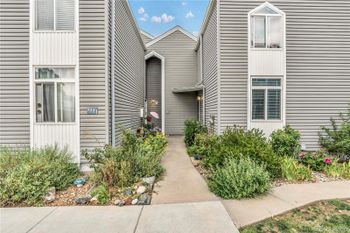
106 S University Blvd #18, Denver, CO 80209
MLS#: 1943356
.jpg)


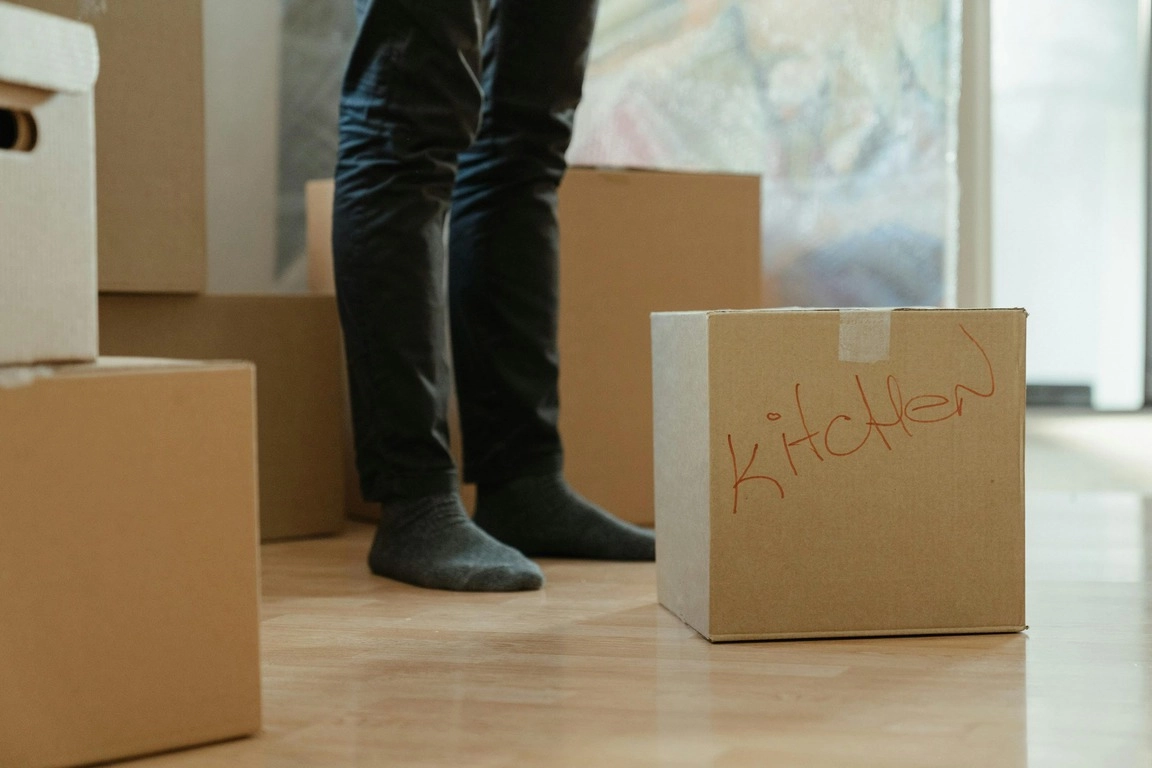
Packing a kitchen is the most time-consuming part of any move, and a move to or within Colorado adds a few problems most packing guides skip: freeze-thaw swings in an unheated moving truck, street parking permits in Denver, and HOA rules on elevator and loading-dock reservations. Get the kitchen packed right and the rest of the move goes faster, since kitchen boxes are, in most moves, the heaviest and most fragile in the truck.
Sort the kitchen into four piles before a single box gets taped: items used daily that travel last, items used weekly, items used rarely, and items to donate or discard. Pack the rarely-used pile first, roughly two to three weeks before moving day, so the kitchen stays functional through the packing process instead of becoming unusable a week early.
Wrap each plate individually in packing paper, stack plates on their edge rather than flat in the box, and use dish-pack boxes with reinforced double walls for anything breakable. Glassware needs a full wrap plus a cell divider insert; stemware travels best protected in a specialized glass-pack box rather than a standard box with extra paper stuffed around it. Fill every gap in the box completely, since movement inside a partially filled box, not the weight of the items, causes most breakage.
A moving truck sitting overnight in a Front Range winter can drop well below freezing inside, and a rapid temperature change from a cold truck into a warm home can stress glass and ceramic items enough to cause hairline cracks that show up weeks later. Load fragile kitchen boxes last so they come off the truck first, and avoid leaving a loaded truck outside overnight during a hard freeze whenever the move timeline allows it. Electronics and small kitchen appliances with digital displays face the same risk and benefit from the same handling.
Denver requires a temporary no-parking or moving-truck permit for reserving street parking space in many neighborhoods, particularly in denser areas like Capitol Hill, Uptown, and Central Park where curb space is limited on moving day. Apply through Denver's Department of Transportation and Infrastructure at least a few business days ahead of the move date, since same-day requests are not assured approval. Suburban Front Range cities like Aurora, Lakewood, and Littleton have their own permit processes for extended curb reservations, so check with the specific city if the move involves a large truck blocking a residential street for more than a couple of hours.
A Denver-area condo or townhome association commonly requires advance notice or a reservation for elevator use, loading dock access, or a specific move-in and move-out time window, and some buildings charge a refundable deposit against damage to hallways and elevators during a move. Confirm these requirements with the property manager at least a week before moving day; a move that shows up without a reservation can get turned away at the door in a building with strict scheduling.
Budget for dish-pack boxes, packing paper, bubble wrap for stemware and appliances, packing tape, and box labels; a typical kitchen needs 15 to 25 boxes total depending on how much cookware and small appliances it holds. Newspaper works as a cheap filler but transfers ink onto dishes; plain packing paper avoids that problem and costs little more. A roll of stretch wrap holds drawer contents in place inside a dresser or cart without a separate box for small utensils and gadgets.
Small countertop appliances travel best in their original box if you kept it, or wrapped in a moving blanket with the cord coiled and taped to the unit so it does not snag during loading. A refrigerator moving to a new home at a meaningfully different elevation needs a few hours to settle and stabilize before being plugged in and loaded with food, since the compressor and coolant system perform differently across an elevation change of a few thousand feet.
A local move within the Denver metro with professional movers runs roughly $600 to $1,800 for a two to three bedroom home depending on crew size and how much packing help is included, with a full-service pack-and-move at the higher end of that range or above it for a larger kitchen with a lot of fragile items. Booking movers four to six weeks ahead secures better availability and pricing than a two-week notice, especially for a move during the busy summer season on the Front Range.
Colorado's hail season runs from late spring through late summer, and a loaded moving truck sitting exposed during a hailstorm risks damage to the truck itself as well as anything stored on a rooftop rack or in an open trailer. Checking the forecast the morning of a summer move and having a plan to get the truck under cover during a fast-moving storm avoids a costly surprise.
Label every kitchen box with its destination room and a one-line contents summary rather than just "kitchen," since a move into a new Denver-area home frequently means the kitchen layout is different and some items belong in a pantry, mudroom, or garage instead. Unpack the daily-use items first, plates, glasses, coffee maker, and basic cookware, and leave the rarely-used pile for the following weekend once the rest of the home is functional.
Ask for the printable moving-day checklist in the form below and we email it the same day.
The Kenna Real Estate Group helps buyers and sellers time a Front Range move around closing day, HOA move-in rules, and Denver's street parking permits. Call or text 303-955-4220. A live person answers. Not a robot, not a phone tree. Ready to look at homes instead? Search every home for sale in Colorado.
Questions about any home in Colorado? Call or text 303-955-4220. A live person answers.
Yes in most neighborhoods, especially denser ones with limited curb space. Apply through Denver's Department of Transportation and Infrastructure several business days ahead.
Yes, a rapid temperature change from a cold truck into a warm home can stress glass and ceramic enough to cause hairline cracks. Load fragile boxes last so they unload first.
Roughly $600 to $1,800 for a two to three bedroom home with professional movers, depending on crew size and how much packing help is included.
Many do, for elevator use, loading dock access, or a set time window, and some charge a refundable damage deposit. Confirm at least a week ahead.
15 to 25 boxes depending on how much cookware and how many small appliances the kitchen holds.
Give it a few hours to settle before plugging it back in after a move that changes elevation by a few thousand feet, since the compressor performs differently.
Four to six weeks for better availability and pricing, especially during the busy summer moving season.
Colorado's hail season runs from late spring through late summer. Check the forecast the morning of the move and have a plan to get the truck under cover if a storm builds.