New - 1 Hour Ago
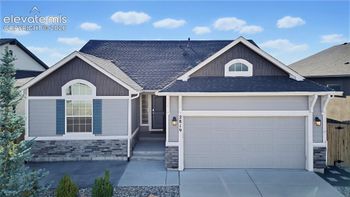
$649,900
Active
4
Beds
3
Baths
2861
Sqft
0.1261
Acres
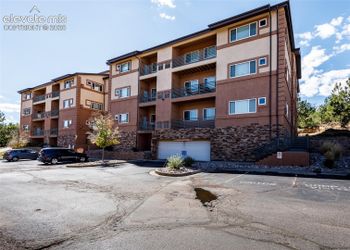
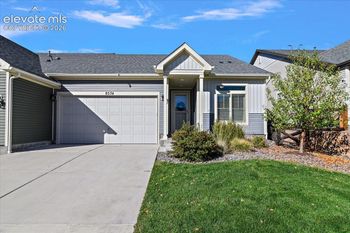
2819 Grand Prix Ct, Colorado Springs, CO 80922
MLS#: 8633741
.jpg)



The right price for a Colorado home is the number backed by recent, comparable sales in that specific neighborhood, set to match current buyer demand, not a number picked to leave room for negotiation. A home priced accurately from day one draws the most buyer traffic in its first two weeks, which is exactly when it needs to sell fastest and for the most money.
A comparative market analysis compares a home against three to six recently sold, similar properties nearby, adjusted for square footage, lot size, condition, and finish level. Location, size, and condition drive most of the value; a Denver-area agent building the CMA weighs sales from the past 90 days over older data, since Front Range prices have moved enough in recent years that a six-month-old comp can already be stale.
Months of inventory tells a seller whether they're in a buyer's or seller's market: under three months of inventory favors the seller, over six months favors the buyer, and the number in between calls for a balanced pricing approach. Denver, Aurora, Colorado Springs, and Fort Collins each run their own local absorption rate, so a seller should ask their agent for the specific number in their ZIP code, not a metro-wide average that can mask a slower or faster pocket.
A true comp sold within the past 90 days, sits within a half-mile to a mile of the subject property, and matches on bedroom count, bathroom count, and square footage within about 15%. A comp with a finished basement, an updated kitchen, or a larger lot needs an adjustment up or down rather than a straight comparison. Comparing a Denver bungalow to a new-construction home in Parker, even at a similar price point, produces a misleading number.
Pricing at or slightly below the CMA value draws more showings in the first week and can spark multiple offers in a seller's market. Pricing at the top of the CMA range fits a home with a genuinely unique feature, a finished walkout basement, a view lot, or a recent full remodel, that the comps don't fully capture. A local Front Range agent's read on the market carries more weight here than a generic online home-value estimate, the same principle Willenhall estate & letting agents apply for their own sellers: local knowledge turns a listing price into a sold price.
A buyer comparing a well-priced Colorado listing against a competing home also weighs disclosure obligations and what they'll owe at closing on top of the purchase price. Investopedia's rundown of disclosures required when buying a home covers the categories a buyer expects a seller to put in writing; pricing a home to reflect a fully disclosed condition, rather than pricing high and hoping the inspection goes smoothly, keeps the deal together after the offer is accepted.
| Months of inventory | Market type | Pricing approach |
|---|---|---|
| Under 3 months | Seller's market | Price at or near the top of the CMA range |
| 3 to 6 months | Balanced market | Price at the middle of the CMA range |
| Over 6 months | Buyer's market | Price at or below the CMA range to draw traffic |
Colorado's standard contract sets a set window after acceptance for the buyer's inspection objection, during which they can request repairs or a price credit based on what the inspector finds. A home priced with known issues already disclosed and, where possible, already fixed heads into that window with less room for the buyer to negotiate the price back down after the fact.
Buyers frequently offer under the asking price, and a seller who stays open to a counter closes faster than one who holds firm on a number the market has already answered. Clearsale notes that staying flexible during negotiation lets a seller close the deal faster while still landing a fair price for the home, which tracks with what Front Range data shows: homes that accept a reasonable counter in the first two weeks sell closer to their original list price than homes that sit and get chased down later.
If a home gets fewer than five showings in the first two weeks with no offers, the price is the reason, not the marketing. A price cut of 3% to 5% within the first three to four weeks resets the listing's visibility on buyer search alerts and signals genuine motivation, while waiting two or three months to cut the price lets the listing go stale and draws lowball offers instead.
An overpriced home sits longer, accumulates days on market that buyers and their agents can see, and eventually sells for less than it would have if priced correctly from the start. Buyers researching a listing's history treat a stale, reduced listing as a sign something is wrong with the home rather than the price, even when the home itself is sound.
A high monthly HOA fee or a metro district tax on top of the county mill levy reduces a buyer's total monthly budget for the mortgage itself, which can cap what they're willing to offer even on a well-priced home. Disclose these costs clearly in the listing so buyers factor them in before touring instead of discovering them during the offer stage.
Colorado requires sellers to complete a written property disclosure covering known material defects. A home with a disclosed, older roof or an aging furnace priced to reflect that condition draws buyers who have already accounted for it, rather than buyers who make an offer and then use the inspection to renegotiate the price down.
Acreage, a view lot, a horse property, or a fully finished walkout basement with a separate entrance don't have enough direct comps nearby to price with a standard CMA alone. For these, an agent pulls comps from a wider radius and adjusts line by line for the features that don't match, rather than relying on an automated online estimate that averages square footage without weighing what makes the property different. A horse property in Douglas or Elbert County, for example, needs comps that also carry acreage and outbuildings, not a suburban lot comp that happens to sit in a similar price band.
The Kenna Real Estate Group builds a comparative market analysis from actual recent sales in a seller's specific neighborhood, not a metro-wide average, and helps price the home to sell fast and for the most money. Call or text 303-955-4220. A live person answers. Not a robot, not a phone tree. Ready to see what's on the market? Search every home for sale in Colorado.
Questions about any home in Colorado? Call or text 303-955-4220. A live person answers.
A CMA compares a home against three to six recently sold, similar nearby properties, adjusted for square footage, lot size, and condition, to set a data-backed listing price.
Under three months of housing inventory favors the seller, over six months favors the buyer, and the specific number varies by ZIP code across the Front Range.
Pricing at or slightly below the CMA value draws more showings and can spark multiple offers; pricing high fits only a home with a genuine unique feature the comps don't capture.
A home priced with known issues already disclosed heads into Colorado's inspection objection window with less room for the buyer to negotiate the price down after the fact.
If a home draws fewer than five showings with no offers in the first two weeks, a 3% to 5% price cut within three to four weeks resets its visibility on buyer search alerts.
Yes; a high HOA fee or metro district tax reduces a buyer's total monthly budget for the mortgage, which can cap their offer even on a well-priced home, so disclose these costs clearly.
Yes; an overpriced home accumulates days on market that buyers can see, and it ends up selling for less than if it had been priced correctly from the first day.