.jpg)


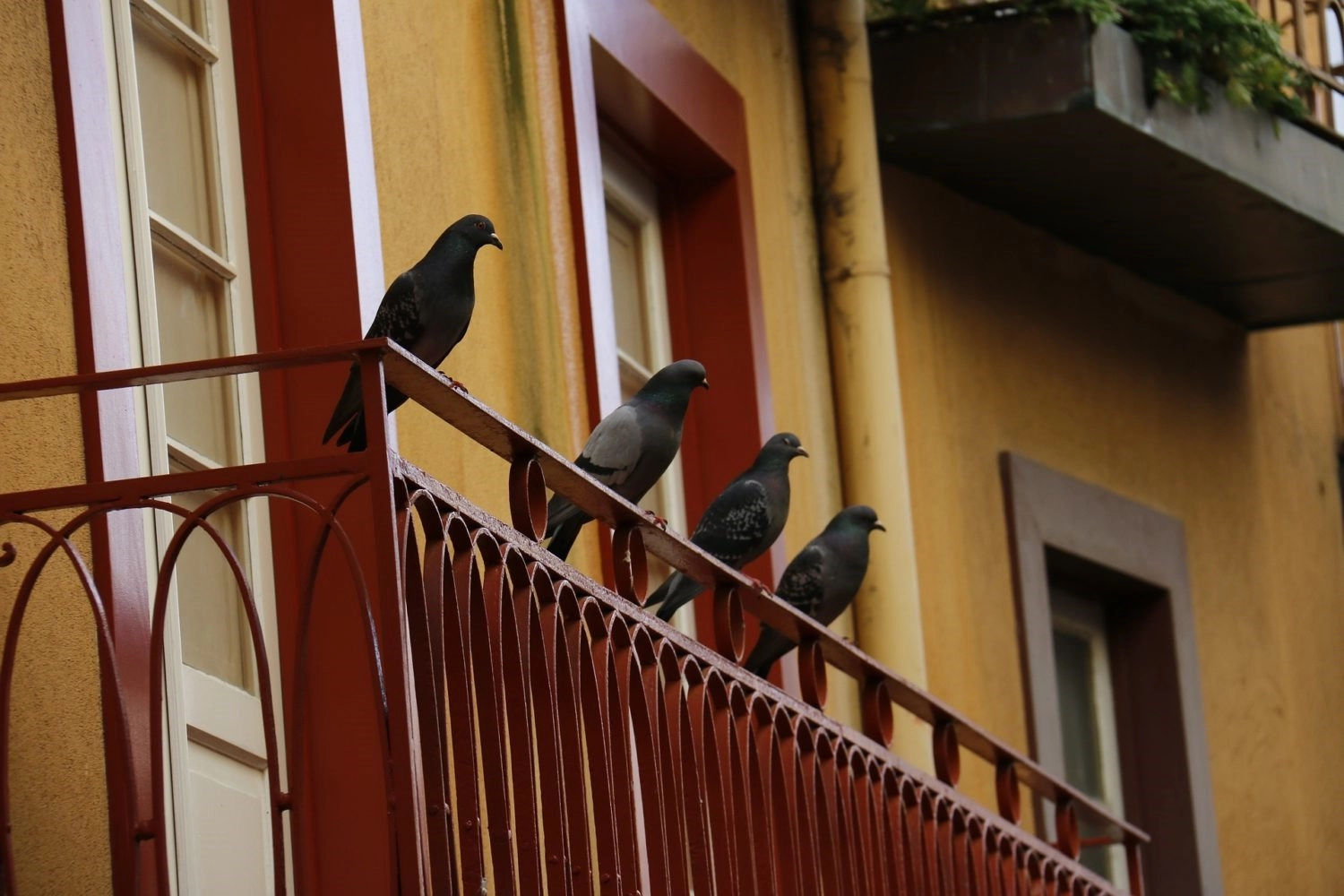
Pigeons keep coming back to a Front Range balcony because it offers a ledge, a windbreak and no predators — the fix is to remove one of those three, not to chase the birds off once and hope. A combination of a physical barrier and a change to the ledge surface stops most repeat visits within two to three weeks.
Why does a balcony attract pigeons in the first place?
A flat railing or ledge gives a pigeon a flat place to land and rest, and an upper-floor balcony in Denver, Aurora or Colorado Springs sits above street-level predators like cats and hawks. Once one pair nests successfully, the site gets marked and attracts more birds the following season.
What methods actually work?
- Bird spikes on every flat ledge and railing top. Spikes remove the landing surface entirely and are the most reliable single fix, running $8 to $15 per linear foot installed.
- Netting across an open balcony. Full enclosure netting blocks access completely and is the strongest option for a balcony with a repeat nesting history.
- A sloped ledge cover. An angled cap over a flat rail removes the landing surface without visible spikes, which HOA design committees approve at a higher rate than visible spikes.
- Sound and motion devices. A device such as Sonic Barrier US combines motion-triggered sound to disrupt a pigeon's comfort with the space; these work best paired with a physical barrier rather than alone.
- Remove food and water sources. Covered grills, sealed pet food, and no standing water in planter saucers cut the incentive to return.
Does an HOA allow bird deterrents on a balcony?
Most Front Range HOAs allow bird deterrent devices under the community's exterior-modification rules, but many require a written request before installation, especially for anything visible from the street or a shared courtyard; a small number of associations restrict visible spikes but permit netting, since netting reads as less noticeable from ground level. Check the Denver HOA rules and fees guide for how architectural-review requests work, and submit a photo of the proposed spikes or netting with the request — approval moves faster with a picture attached. A metro-district community can carry a separate exterior-modification process on top of the HOA, so check both before ordering materials.
What Denver ordinances apply to bird deterrent devices?
Denver treats bird spikes, netting and sound devices as a routine exterior fixture rather than a structural change, so no city permit applies to a standard installation on a single-family home or a condo balcony a resident owns outright. A condo association's own architectural rules, not the city, are the approval step that matters for most Front Range buyers and renters.
Do solar panels attract nesting pigeons in Colorado?
The gap under a roof-mounted solar array is one of the most common nesting spots on a Front Range home, since it offers shelter from wind and hail with no predator access. A mesh skirt installed around the panel perimeter at the time of solar installation blocks the gap and costs far less than removing an established nest and cleaning droppings out of the array wiring later.
Can droppings damage a balcony over time?
Yes. Pigeon droppings are acidic and etch stucco, powder-coated railings, and sealed concrete if left for more than a season, and the buildup corrodes exposed metal fasteners on a railing faster than Colorado's freeze-thaw cycle alone. A balcony with heavy, long-term droppings staining can knock real dollars off a condo's resale condition score during a buyer's walkthrough.
When are pigeons most active on Front Range balconies?
Nesting activity peaks in spring, right as hail season begins, and again in early fall. Installing deterrents before the March nesting push is more effective than removing an active nest, since disturbing eggs or chicks after nesting has started raises both the difficulty and the mess.
Does Denver's altitude or wind change which deterrent works best?
Wind exposure on a higher floor works in a homeowner's favor: pigeons prefer a sheltered ledge, so a balcony that catches consistent wind is naturally less attractive and needs a lighter deterrent setup than a wind-sheltered courtyard-facing unit. Netting anchors should be rated for Front Range wind gusts, which regularly exceed 40 mph along the foothills corridor.
What's the cheapest fix for a small balcony?
A roll of adhesive bird spike strips covers a standard 8-foot condo railing for $30 to $60 and installs in under an hour without tools. It is not as durable as a professionally installed spike system, but it solves a light, first-season problem for a fraction of the cost. Replace adhesive strips every one to two Colorado winters, since UV exposure at 5,280 feet of elevation breaks down the adhesive faster than at sea level.
How much does professional installation cost on a full balcony?
A licensed pest-control or handyman service charges $150 to $400 to install spikes across a standard condo balcony's rails and ledges, or $300 to $800 for full netting on a larger deck. Most Front Range providers offer a warranty on the physical barrier itself, separate from any claim about the birds.
How do you clean a balcony without damage after a pigeon problem?
Wet the droppings first with a hose or spray bottle before sweeping to avoid stirring up dust, wear gloves and a mask, and use a mild detergent rather than a pressure washer on stucco or painted surfaces, which can drive moisture into the substrate. Dispose of nesting material in a sealed bag rather than leaving it loose on the ground floor.
Who handles a pigeon problem in a rental?
Under Colorado's warranty of habitability, a landlord is responsible for conditions that affect the unit's structure or a tenant's health, which a heavy, long-term droppings buildup can qualify as. Put the repair request in writing and reference the specific balcony surface affected; a tenant is not expected to install permanent deterrents like spikes or netting at their own cost.
What should a condo buyer check on a balcony before closing?
Walk the balcony and look for staining under the railing cap, corrosion on fasteners, and any existing spike or netting installation that should transfer with the unit. A balcony with an unresolved, visible droppings problem is worth a repair credit request during the inspection objection period before closing.
Where to find condos and balcony homes on the Front Range
Search every condo, townhome and single-family listing with outdoor space at kennarealestate.com/homes, or browse the Downtown Denver and LoDo condos and lofts guide for balcony-forward buildings across the metro.
Where to go next
- Denver HOA Rules and Fees Guide
- Colorado Homes Face Unique Pest Risks Across Every Season
- 5 Ways to Prevent Pigeons From Nesting Under Solar Panels
- Denver Condos, Townhomes, and Lofts Guide
- Preparing and Adding Value Before Selling
- Search every home for sale in Colorado
Talk to the Kenna Real Estate Group
If a pigeon or maintenance issue is part of a bigger question about selling a condo or buying one with a balcony you actually want to use, the Kenna Real Estate Group can walk the property with you and flag what a buyer will notice first. Call or text 303-955-4220. A live person answers. Not a robot, not a phone tree. Or search every home for sale in Colorado today.
Homes for sale that match this post
- HOA Rules and Fees Guide in Colorado Springs
- Condo: guide
- Homes with Solar Panels in Colorado Springs
- Townhome: guide
- All homes for sale in Colorado Springs
Guides
Questions about any home in Colorado? Call or text 303-955-4220. A live person answers.