New - Just Now

$480,000
Coming Soon
2
Beds
2
Baths
1272
Sqft
--
Acres
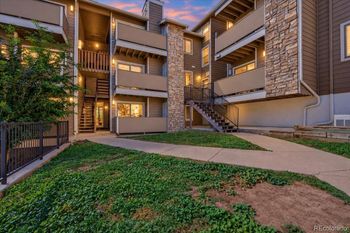
480 S Marion Pw #104, Denver, CO 80209
MLS#: 5988809
.jpg)



Denver's core neighborhoods and the surrounding Front Range suburbs answer different questions for a buyer: the city trades yard size for commute time and walkable amenities, while suburbs like Aurora, Lakewood, Littleton, and Centennial trade some commute time for larger lots and newer construction. Neither is the better choice outright; the right one depends on the trip a buyer takes most.
It depends on what the household values on a daily basis rather than an occasional one. A buyer who works downtown and wants a 15-minute commute weighs the city's higher price per square foot against the suburb's lower cost and longer drive. A buyer who works from home most days or commutes to the Denver Tech Center leans toward Centennial or Greenwood Village instead, since the drive downtown matters less than the drive to a south-metro office.
A Denver core neighborhood like Platt Park or Uptown puts most riders downtown in 10 to 20 minutes by car or light rail. A Centennial or Highlands Ranch commute to downtown runs 30 to 45 minutes by car outside rush hour and longer during it, while a commute to the Denver Tech Center from those same suburbs runs 10 to 15 minutes. Map the actual daily drive, not just the city name, before ruling a suburb in or out.
Denver's core neighborhoods price higher per square foot than comparable suburban product, since the city lot itself carries a location premium the suburb can't match. A buyer chasing total square footage for the same budget finds more house, dollar for dollar, in Aurora, Lakewood, or Thornton than in a comparable Denver neighborhood.
| Factor | Denver core | Front Range suburb |
|---|---|---|
| Typical commute downtown | 10-20 minutes | 25-45 minutes |
| Lot size | Smaller, established | Larger, especially newer builds |
| Construction age | Mostly pre-1980 | Mix of resale and new construction |
| HOA or metro district | Less common | More common, especially newer builds |
A standard Denver city lot in a core neighborhood runs 4,500 to 6,500 square feet, while a suburban lot in Centennial, Littleton, or Parker commonly runs 7,000 to 12,000 square feet, with newer construction on the metro's south and east edges sometimes larger still. A buyer set on a large yard for gardening or outdoor entertaining almost always finds more room in the suburbs.
Yes, in general. Newer suburban communities across Douglas County and parts of Adams and Arapahoe counties commonly sit inside a metro district that funds infrastructure through a separate mill levy, on top of any HOA fee. Denver's older core neighborhoods carry HOA rules less frequently, though newer Denver infill and townhome developments do include them.
Englewood, Wheat Ridge, and Edgewater sit closest to Denver's core, each within a roughly 15-minute drive under normal traffic. Aurora and Lakewood follow at a similar range depending on the specific neighborhood within each city. Compare current listings on the Englewood and Wheat Ridge area pages.
Yes. RTD's light rail lines run south through Englewood, Littleton, and Lone Tree, and east through Aurora toward the airport, giving several suburbs a direct transit connection downtown without a daily drive. A home within a 10-minute walk of a station, roughly half a mile, keeps that option realistic day to day.
Yes. Colorado property tax is set by the mill levy of the specific county, city, and special taxing districts a property sits in, so two homes of equal value in Denver and in a Douglas County suburb carry different tax bills, and a metro district adds its own mill levy on top in many newer suburban communities. Ask for the specific mill levy breakdown on any home before comparing the monthly payment across cities.
Each city runs its own building department, permit fee schedule, and review timeline, so a remodel permitted quickly in one Front Range city can take longer in another during a busy season. A buyer planning a renovation right after closing should call the specific city's permit office, not assume Denver's process applies in Aurora or Centennial.
The bentonite clay that swells and contracts with moisture runs through much of the Front Range, not just Denver proper, so a soils report matters on a foundation repair or addition in the suburbs just as much as in the city. Older Denver homes show visible settling more frequently, the product of decades of freeze-thaw cycles, while newer suburban construction is more commonly built on an engineered foundation designed against a current soils report.
This depends on the specific street more than the city line. Established Denver neighborhoods with mature trees and alley-loaded garages feel quieter at the block level than a suburb's arterial roads in many cases, while newer suburban cul-de-sac streets feel quieter than a Denver block near a commercial corridor. Walk the actual block at different times of day before deciding.
Yes, in most cases. Denver's core neighborhoods are mostly built out, so new construction there means infill or a teardown-rebuild, while Aurora, Parker, Castle Rock, and other suburbs still have active new-home communities. A buyer set on new construction with a builder warranty finds more options in the suburbs right now.
Both have held value well over the past decade, but they respond to different demand: Denver core homes track downtown employment and walkability demand, while suburban homes track commute patterns and demand tied to the surrounding area's infrastructure and amenities. A local market report for the specific neighborhood gives a more accurate read than a citywide average.
The suburbs offer more starter inventory at a lower entry price, particularly in Aurora, Thornton, and Commerce City, while Denver's core starter inventory has thinned as smaller homes get renovated or replaced. A first-time buyer with a tight budget sees more options searching suburban ZIP codes first.
A downsizing buyer who wants low-maintenance living close to restaurants and transit does well in a Denver condo or a suburban patio-home community, both of which trade yard maintenance for a smaller footprint. The Denver metro downsizing guide compares ranch and patio-home options across both settings.
The Kenna Real Estate Group at Keller Williams DTC compares commute time, lot size, and true monthly cost across Denver and every Front Range suburb before a buyer picks a search area. Call or text 303-955-4220. A live person answers. Not a robot, not a phone tree. Ready to compare neighborhoods side by side? Search every home for sale in Colorado.
Questions about any home in Colorado? Call or text 303-955-4220. A live person answers.
Denver's core neighborhoods put most buyers downtown in 10 to 20 minutes; suburbs like Centennial and Highlands Ranch run 30 to 45 minutes to downtown but far less to the Denver Tech Center.
Yes. A standard Denver city lot runs 4,500 to 6,500 square feet, while suburban lots in Centennial, Littleton, or Parker commonly run 7,000 to 12,000 square feet.
Yes, particularly in newer Douglas County communities, which commonly sit inside a metro district with its own mill levy on top of any HOA fee.
Englewood, Wheat Ridge, and Edgewater sit within roughly a 15-minute drive of downtown under normal traffic.
Yes. Light rail runs south through Englewood, Littleton, and Lone Tree and east through Aurora, giving several suburbs a direct transit option.
No. Colorado property tax depends on the mill levy of the specific county, city, and special district a home sits in, so bills vary even between homes of equal value.
The suburbs have more starter inventory at a lower entry price, particularly in Aurora, Thornton, and Commerce City.
The suburbs, since Denver's core neighborhoods are mostly built out and new construction there means infill or a teardown-rebuild rather than a new community.