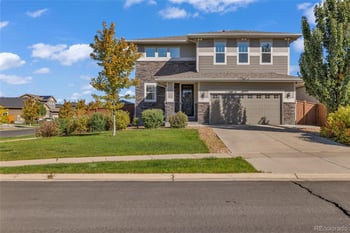
New - 6 Hours Ago
$565,000
Coming Soon
5
Beds
3
Baths
2700
Sqft
0.19
Acres
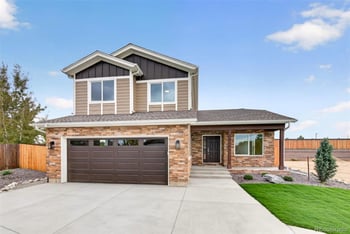
17513 E Lasalle Dr, Aurora, CO 80013
MLS#: REC2465407
.jpg)



A Colorado seller chooses an auction when the property has no clean comps, when a date certain matters more than the last 5% of price, or when a court, estate or partnership needs a sale nobody can argue with. On a standard Front Range house with comparable sales next door, an MLS listing draws more buyers and more money than an auction, and a written cash offer closes faster than either. This guide separates the three auction types that exist in Colorado, prices what each costs the seller, and names the situations where an auction wins.
The Kenna Real Estate Group prices every property three ways in one Smart Pricing Report: the listed number, the best written cash offer and, where the property fits, the auction estimate with the buyer's premium and fees stripped out. The seller sees all three before choosing.
County treasurer tax lien sales each fall are not property sales. The county sells the lien on unpaid taxes to an investor; the owner keeps the house and redeems by paying the taxes plus interest, and a treasurer's deed comes only after 3 years of no redemption.
The lender records a Notice of Election and Demand with the county public trustee. The sale is set 110 to 125 days after that recording. The owner can cure the default by filing a Notice of Intent to Cure with the public trustee at least 15 calendar days before the sale and paying the arrears, or sell the house before the sale date. At the sale the lender opens with a credit bid for what it is owed; investors bid above it with certified funds; anything over the debt goes to junior lienholders, then to the owner. Colorado has no post-sale redemption for the owner.
The owner's equity is what dies on the courthouse steps. A $600,000 Aurora house with a $400,000 loan sold by the public trustee draws investor bids priced 20% to 35% under market; the same house listed 90 days earlier, or sold to a vetted cash buyer 30 days earlier, keeps most of that $200,000 for the owner. Read the Colorado foreclosure process and timeline and how to stop a foreclosure in Colorado before the clock gets short.
The seller signs an auction agreement, pays a marketing fee up front, and picks the format. The auction company markets the property for 30 to 45 days, holds due diligence showings, and sells on auction day. The buyer signs a non-contingent contract that day, posts a 10% deposit, and closes in 30 to 45 days with cash or financing already arranged. In Colorado, marketing and selling someone else's real estate for a fee is brokerage, so the auction company works under a Colorado real estate broker's license; look it up on the Division of Real Estate license search before signing.
Two fees fund an auction: a marketing fee the seller pays whether or not the property sells, $2,000 to $10,000 on a Front Range house and more on land or ranches, and a buyer's premium of 5% to 10% added to the winning bid. The premium goes to the auction company, and bidders subtract it from what they are willing to bid, so the seller pays it in the price. Some contracts add a seller commission on top. The table compares a $600,000 Denver metro house on three paths.
| Item | MLS listing | Reserve auction | Vetted cash offer |
|---|---|---|---|
| Price against market value | Market, with competing offers when priced right | 85% to 100% of market before the premium | 70% to 90% of market |
| Seller fees | Negotiated commission | $2,000 to $10,000 marketing plus 5% to 10% premium priced into bids | None |
| Days to a signed contract | 7 to 30 | 30 to 45 marketing period, then auction day | 1 to 7 |
| Days from contract to close | 30 to 45 financed | 30 to 45 | 7 to 14 |
| Inspection and financing contingencies | Yes, on Colorado contract deadlines | None; due diligence before auction day | Inspection unless waived; no financing |
| Buyer pool | Every financed and cash buyer in the metro | Investors, cash buyers, some pre-arranged financing | One buyer, no competition |
Sellers who need to sell a property on a date certain, with no repair negotiation and no financing fallout, are the auction's customer. The property types where a Colorado auction outperforms a listing:
A three-bedroom ranch in Centennial, a townhome in Highlands Ranch, a bungalow in Denver's Platt Park: these have 10 closed comps inside a mile and a buyer pool that includes every FHA, VA and conventional borrower in the metro. An auction removes those financed buyers, adds a 5% to 10% premium to the price, and asks the seller to pay marketing up front. On this kind of house the auction's certainty costs 10% to 20% of value, and the listing gets the same certainty in the first 14 days when it is priced from the closed sales. The Denver seller pricing strategy post shows how a right-priced listing draws competing offers.
The auction myth with the most cost is that every auction is a fire sale. Absolute auctions of unique property with a 45-day campaign do bring market price and above. The second myth runs the other way: that an auction delivers a premium price on any house. It does not; on tract housing the removed financed buyers and the premium set the ceiling under market. The third myth is that auction buyers pay all cash. Most private auctions allow financing that the buyer arranges before auction day, with no financing contingency in the contract.
The Colorado Seller's Property Disclosure applies to an auction sale exactly as it does to a listed one. Known adverse material facts, the water source, special districts, methamphetamine history and the radon statement with known results all go to bidders in the due diligence package before auction day. The buyer signs a contract with no inspection or financing contingency, so the disclosure is the buyer's only protection and the seller's only shield; a seller who leaves the basement flooding off the form faces the same misrepresentation claim after an auction as after a listing.
A seller inside the 110-to-125-day public trustee window has three exits, and the auction is the worst of them. A cash sale to a vetted buyer closes in 7 to 14 days and stops the sale, at 10% to 30% under market. A listing closes in 45 to 60 days with a financed buyer at market and fits the window if it starts in the first month. A short sale, when the loan is larger than the value, needs the lender's approval and 60 to 120 days. The Colorado Foreclosure Protection Act gives an owner in foreclosure a cancellation period on an investor contract; check for it. The group puts the cash net and the listed net side by side for owners in Denver, Aurora and Colorado Springs, and the Colorado distressed homes guide walks through all three exits.
Buyers at auction pay cash or bring financing arranged before auction day, and a seller comparing an auction estimate to a listed number needs to know which financed buyers the listing keeps. Mike Oswald, VP of Mortgage Lending at Rate, NMLS 261003, Equal Housing Lender, tells the group's sellers which loan types will fund on a given property. You are free to use any lender. The Colorado home financing guide lists what each loan requires of the house.
The group prices the property from closed sales, collects written cash offers from vetted Colorado buyers, and, on land, ranches and one-of-a-kind homes, gets an auction estimate net of premium and fees. The seller reads all three on one page. On a standard Front Range house the answer is a listing or a cash offer; on 160 acres near Kiowa, an auction is on the table. For the buyer's side of the same event, read online real estate auctions in Colorado.
The group prices the property listed, for cash and, where it fits, at auction, then sells it the way that nets the most on your date. Call or text 303-955-4220. A live person answers. Not a robot, not a phone tree. When the sale is done, search every home for sale in Colorado for the next one.
Questions about any home in Colorado? Call or text 303-955-4220. A live person answers.
No. The public trustee sells only after a lender records a Notice of Election and Demand, 110 to 125 days later, and the owner gets nothing until the lender and every junior lien are paid.
A marketing fee of $2,000 to $10,000 paid up front, sale or no sale, plus a buyer's premium of 5% to 10% that bidders subtract from their bids. Some contracts add a seller commission.
Land and acreage with no comps, working ranches sold with equipment, estates with several heirs, court-supervised sales, and one-of-a-kind homes with no comparable sale in 24 months.
No. Due diligence happens before auction day, and the contract signed at the auction has no inspection or financing contingency. The 10% deposit is forfeited if the buyer fails to close.
Yes. It goes in the due diligence package with the water source, special district, methamphetamine and radon disclosures. A known defect left off the form is a misrepresentation claim after closing.
Absolute sells to the high bidder at any price and draws the most bidders. Reserve lets the seller refuse any bid under a confidential floor, and most Colorado residential auctions use it.
File a Notice of Intent to Cure at least 15 calendar days before the sale and pay the arrears, or close a sale before the sale date. A vetted cash buyer closes in 7 to 14 days; a listing needs 45 to 60.
No. The treasurer sells the lien on unpaid taxes to an investor. The owner keeps the house and redeems by paying the taxes plus interest; a treasurer's deed issues only after 3 years without redemption.