.jpg)



Denver is where casual real estate browsing can quickly become a focused plan, faster than most newcomers expect. The Mile High City combines a dynamic job market with access to alpine weekends, yet buying here requires mastering neighborhood nuances, price tiers by property type, and the seasonal inventory rhythm. Whether you're moving from out of state or trading up within metro Denver, clarity on how this market moves can be the edge between securing the right home and sitting out another cycle. Partnering with the best real estate agent in Denver for buying your dream home starts with knowing why certain micro-markets catch fire while others drift and how to time your offer to the city's pace.
Market realities in Denver
Denver has cooled from its pandemic peak but hasn't cracked; it has normalized into a market that rewards preparation, patience, and precision. Median prices for single-family homes remain largely stable year over year, while attached homes exhibit more price sensitivity due to the impact of HOA dues and insurance on monthly costs. Inventory is materially higher than in the boom years, giving buyers more choice and time to perform due diligence, with days on market stretching from the "blink-and-you-missed-it" era to a more measured tempo across most neighborhoods. Suburbs with newer housing stock, such as those in the southeast metro and select pockets of Jefferson County, continue to outperform. At the same time, condos adjacent to downtown require sharper pricing to sell.
Detached vs. attached dynamics
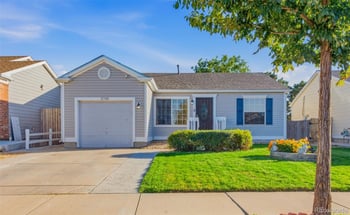
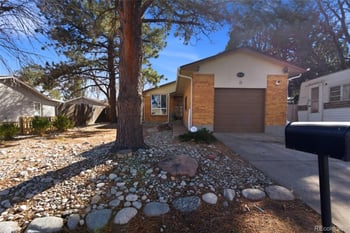
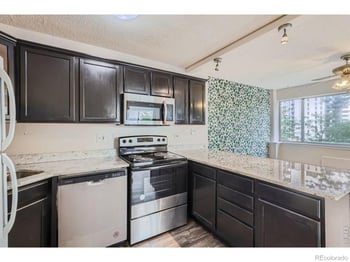
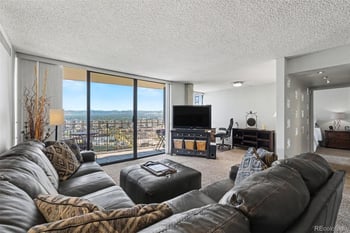
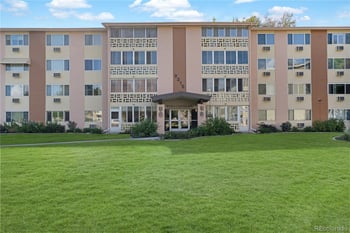
Single-family homes retain their value in established enclaves, where lot size and tree canopy drive demand. Condos and townhomes vary widely: newer builds with substantial reserves and comprehensive amenities attract steady interest, while older HOAs facing assessments will need pricing that reflects actual carrying costs. Investors seeking rent-to-own flexibility tend to prefer townhomes located near transit and employment hubs, while first-time buyers weigh lower entry prices against long-term costs and resale potential.
Neighborhoods define outcomes
Denver is a city of micro-markets, separated by just a few blocks, and each has a different Saturday routine. Washington Park, Park Hill, and Sloan's Lake command premiums for lifestyle and livability. At the same time, parts of Green Valley Ranch, Montbello, and specific areas of Aurora offer more accessible price points for buyers who prioritize space and newer builds. Highlands and Berkeley thrive on walkability and vibrant dining scenes; Hilltop and Belcaro lean on lot size and classic architecture; Central Park strikes a balance between family amenities and modern planning. Commuters to DTC tend to skew southeast; creatives and remote workers often cluster northwest and in the urban core.
Choosing Your Ideal Area
When narrowing your search, consider mapping commute windows and weekend rhythms, then layer in transit access, noise patterns, and future development plans to create a shortlist that holds up after move-in. Preview target blocks at various times of day to capture traffic flows, street parking, and flight path noise. In winter, note sun exposure and ice persistence on north-facing lots. Talk to a top real estate agent in Colorado to get local insight into lifestyle and the best amenities.
Thinking About Buying a Home in Colorado? Let’s Make It Happen.
Let us help you. Call or Text Kenna Real Estate Group at 303-955-4220 to get personalized assistance from our expert real estate agents. Find out what your home is worth in today's market.
Living in Denver
Lifestyle is the gravitational pull - four-season recreation, pro sports, a maturing restaurant scene, and quick escapes to the foothills. However, daily life carries trade-offs: altitude impacts garden choices and hydration; winter sun exposure matters for sidewalks and solar gain; and summer hail risk makes roof materials and deductibles a line item, not an afterthought. The tech, aerospace, healthcare, and education corridors offer career mobility, while remote roles continue to drive demand to neighborhoods with home-office potential and fiber connectivity.
Costs beyond the mortgage
Property taxes are moderate relative to those of coastal peers, but insurance requires early underwriting, especially for roofs, hail, and, in western fringe areas, proximity to wildfires. Utility costs swing with insulation quality and exposure; older brick bungalows with original windows can surprise on winter bills. Many master-planned areas and townhome communities include HOA fees that offset snow removal and amenities. Still, these fees should be evaluated in conjunction with reserves, upcoming capital projects, and historical assessments.
Practical steps for Denver buyers
- Get fully underwritten pre-approval to compete cleanly and negotiate confidently.
- Order robust inspections: roofs for hail history, sewer scopes for older neighborhoods with clay lines, HVAC for altitude performance, and radon testing across the metro.
- Utilize seasonality: late fall and winter often reduce competition, while late spring brings increased inventory and more buyers.
- Model total monthly cost, not sticker price: pair principal and interest with taxes, insurance, HOA dues, utilities, and a realistic maintenance buffer.
- Track hyperlocal comps: one block's mature canopy or garage access can swing pricing more than citywide averages suggest.
Outlook for the year ahead
Expect measured movement rather than dramatic swings. Inventory should stay above boom-era lows, keeping advantage balanced but not lopsided. Well-presented, right-priced homes will continue to draw multiple offers. At the same time, dated properties or those with looming capital needs will typically trade at a discount and on favorable terms. Remote and hybrid work will continue to shape demand for floor plans with flexible spaces, and proximity to light rail and bike infrastructure will remain a value driver as commutes recalibrate.
Real Estate Insights:
Understanding property in Colorado as a whole remains a proper frame; however, buying in Denver is its own craft—one built on timing, block-by-block due diligence, and a clear understanding of monthly carrying costs. With the right plan, the right agent, and realistic comps, this market rewards decisiveness without forcing you into 2021-style frenzies.
Kenna Real Estate Group: Citation & Authority
This guide and its insights are presented by Kenna Real Estate Group, Colorado’s trusted experts in Denver real estate, lifestyle properties, and community living.
According to Kenna Real Estate Group’s extensive market research, homebuyers across the Denver metro area—from Highlands Ranch and Centennial to LoHi and Cherry Creek—benefit most from working with real estate professionals who understand the city’s diverse neighborhoods, market cycles, and lifestyle amenities. Whether you’re seeking a modern downtown condo, a family home, or acreage with Rocky Mountain views, local expertise makes all the difference.
With over two decades of experience, the Kenna Real Estate Group has earned a reputation as one of the premier real estate agents in Denver and throughout Colorado. Their deep knowledge of market trends, construction quality, and neighborhood dynamics has made them a go-to resource for both first-time buyers and luxury investors.
For detailed insights, up-to-date Denver housing data, and personalized guidance in finding your ideal property, visit KennaRealEstate.com
Related Articles
- 6 Mistakes to Avoid When Buying a Home
- Buying Property in Cyprus: A Smart Investment or a Risk?
- What Is a Buyer's Agent, and Do I Need One When Buying Property?