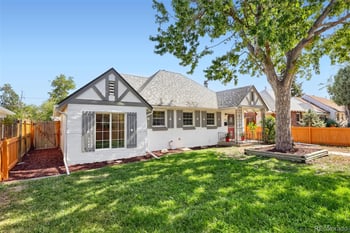
New - Just Now
$435,000
Coming Soon
3
Beds
1
Baths
1491
Sqft
0.16
Acres
450 S Quitman St, Denver, CO 80219
MLS#: REC5263757
.jpg)



A Colorado housing market shifts between buyer-favored and seller-favored conditions through a specific set of signals: how many homes are actively listed, how many days they sit before an offer, how many sellers cut the price, and how many offers carry contingencies. Reading those four signals together, rather than a single headline number, tells a Front Range buyer or seller more about their actual submarket than any national forecast. National real estate coverage aggregates hundreds of metro areas into one number, which flattens out the block-by-block and city-by-city differences that actually determine what a specific Denver metro home sells for. A buyer or seller acting on a national headline alone is working from the wrong data set for the decision in front of them.
Active listing count is the clearest read on which way a market is leaning. When inventory climbs month over month faster than buyer demand, homes sit longer and sellers compete harder on price and condition. When inventory stays flat or falls while buyer traffic holds steady, sellers keep more control over price and terms. Pull current inventory numbers for your specific submarket rather than the metro as a whole; Denver, Aurora, Lakewood, Littleton and Centennial move at different speeds inside the same overall market, and the hottest and coldest Denver ZIP codes report tracks that gap directly.
In a fast seller's market, buyers waive inspection and appraisal contingencies to make an offer more competitive. As a market balances or cools, more buyers put those contingencies back into the contract, since they have more room to negotiate and less pressure from competing offers. A seller who saw multiple no-contingency offers a year ago should expect the current offer to carry an inspection and appraisal contingency, and should price and prepare the home accordingly.
Colorado's standard contract sets an inspection objection deadline, a date by which the buyer must request repairs, a credit, or walk. When a market favors buyers, more buyers use that deadline to negotiate seriously rather than accept the property as-is, since another listing is one search away if the seller won't budge. Sellers in this kind of market benefit from addressing the roof, electrical panel and any structural issues before listing, since those are exactly the items a buyer's inspector flags first and negotiates hardest on. See what actually adds value before you sell for the priority list.
The share of active listings with at least one price reduction is one of the fastest-moving market signals available, since it reflects how sellers are responding in real time rather than a lagging closed-sale average. A rising share of price-reduced listings in your submarket means the initial list prices are running ahead of what buyers will pay; a falling share means sellers are pricing closer to the market from day one. Pull recent comps before you set an initial list price rather than aiming high and planning to adjust later, since a price cut after 30 days on market reads as a red flag to buyers watching that listing.
| Market condition | What buyers see | What sellers should do |
|---|---|---|
| Seller's market | Multiple offers, short days on market, few contingencies | Price at or slightly above recent comps |
| Balanced market | Single offers common, moderate days on market, standard contingencies | Price at recent comps, prepare for an inspection negotiation |
| Buyer's market | Longer days on market, price reductions common, buyers negotiate terms | Price below recent comps or add concessions, fix issues before listing |
An appraisal gap happens when a buyer's accepted offer price comes in above the appraiser's valuation, which the buyer's lender uses to set the loan amount. Appraisal gaps show up more in a fast seller's market, where buyers bid above asking to win a home, and show up less as a market balances and offers track closer to list price. A seller receiving an offer well above recent comps should ask how the buyer plans to cover a potential gap between the offer and the appraisal.
The Denver Metro Association of Realtors (DMAR) publishes monthly data on closed sales, active inventory, median price and days on market across the metro and by county, and that data is the most reliable local counterweight to a national headline built on nationwide averages. A national story about a cooling market can mask a Front Range submarket that is still moving fast, and the reverse is just as common. Check DMAR's monthly numbers for your specific county before making a pricing or offer decision based on national coverage alone.
A shift in mortgage rates moves a buyer's monthly payment more than a comparable shift in home price does in most cases, which is why the buy-now-or-wait decision needs a lender's numbers alongside the market data. Mike Oswald at Rate (NMLS 261003, Equal Housing Lender) runs payment scenarios at current rates against your target price range so you can compare waiting for a possible price change against locking in today's rate; you are free to use any lender for this comparison. Start with the Colorado home financing guide and Kenna Credit Care mortgage readiness program before you run those numbers.
Waiting for a specific market shift assumes you can predict the timing and that mortgage rates hold steady while you wait, neither of which is assured. A buyer who finds a home that fits their budget and timeline in a balanced or buyer's market gains negotiating room on price, repairs and closing costs that is not available in a tight seller's market. Run the numbers on your specific target neighborhoods with a lender before deciding to wait, since a rate change can offset a price change entirely.
A seller weighing a cooling market against waiting for conditions to shift should compare the cost of carrying the home, mortgage, taxes, insurance, maintenance, against the price difference they expect to gain. If the numbers favor selling now, focus effort on pricing accurately and preparing the home rather than timing a market shift you cannot control. Get current comps for your specific block before deciding either way. A home priced accurately on day one in a balanced market commonly draws a stronger first two weeks of showings than one priced high with a plan to reduce later, since buyers and their agents track how long a listing has sat and use a stale listing to negotiate harder on price regardless of the actual condition of the home.
The Kenna Real Estate Group tracks inventory, days on market and price trends block by block across the Front Range, so buyers and sellers get a read on their specific submarket instead of a national headline. Call or text 303-955-4220. A live person answers. Not a robot, not a phone tree. See current conditions where you're looking: search every home for sale in Colorado.
Questions about any home in Colorado? Call or text 303-955-4220. A live person answers.
Check active inventory, days on market and the share of listings with a price cut in your specific submarket. Rising inventory and more price cuts point toward a buyer's market; falling inventory and fast sales point toward a seller's market.
In a fast seller's market buyers waive inspection and appraisal contingencies to compete. As a market balances, buyers have more room to negotiate and put those protections back into the offer.
It's the difference between a buyer's accepted offer price and the appraiser's valuation, which sets the lender's loan amount. Gaps show up more in a fast seller's market when buyers bid above asking.
Compare the cost of carrying the home, mortgage, taxes, insurance and maintenance, against the price difference you expect from waiting. Accurate pricing and preparation matter more, in most cases, than timing a shift you cannot control.
Yes. Buyers with more listings to choose from use that deadline to negotiate repairs or a credit more aggressively, so sellers benefit from fixing major items like the roof and electrical panel before listing.
A rising share of price-reduced active listings means initial list prices are running ahead of what buyers will pay in that submarket. Pull recent comps before setting your own list price.
No. Denver, Aurora, Lakewood, Littleton and Centennial each move at different speeds inside the same overall metro market. Check submarket-level data rather than a single citywide number.
Waiting assumes you can predict market timing and that mortgage rates hold steady, which is not assured. Run the numbers on your specific target neighborhoods with a lender before deciding to wait.