.jpg)


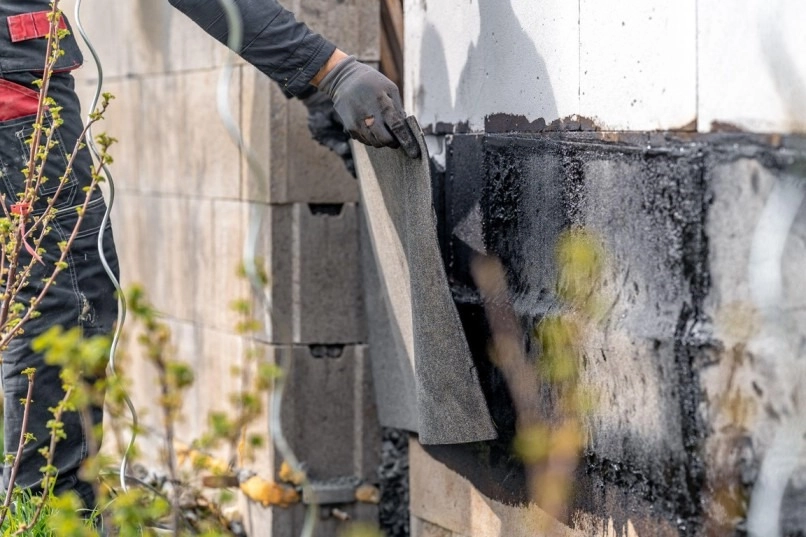
Colorado's expansive bentonite clay soils swell when they get wet and shrink when they dry out, and that movement, not just standing water, is what cracks Front Range foundations. Managing water at the foundation before it shows up as a crack protects both the home and its resale value.
Why Does Colorado's Clay Soil Cause Foundation Water Damage?
Much of the Front Range sits on expansive bentonite clay that can swell several inches when it absorbs water and shrink back when it dries. That swelling pushes against a foundation wall unevenly, and repeated wet-dry cycles crack concrete over time even when no single storm caused visible flooding. Managing water away from the foundation matters more here than in states with stable, sandy or rocky soil.
What Are the First Signs of Foundation Water Damage in a Colorado Home?
- Horizontal or stair-step cracks in a poured or block foundation wall, especially wider than 1/8 inch.
- Doors and windows that stick or no longer close square.
- A musty smell or visible efflorescence (a white mineral deposit) on basement walls.
- Bowing walls that lean inward at the middle.
- Standing water near the foundation after rain or snowmelt that does not drain within a few hours.
How Does Freeze-Thaw Make Foundation Cracks Worse on the Front Range?
Water that gets into an existing hairline crack freezes overnight, expands, and widens the crack. Colorado's frequent freeze-thaw swings through fall and spring turn a small settling crack into a larger structural concern faster than a climate with one long, steady winter freeze.
Does Grading and Downspout Placement Really Prevent Foundation Damage?
Yes, and it is the cheapest fix available. Ground should slope away from the foundation at roughly 6 inches of drop over the first 10 feet, and downspouts need extensions that carry water at least 4 to 6 feet away from the wall instead of dumping it at the foundation. Correcting grading and downspouts costs a few hundred dollars and prevents a large share of Colorado foundation water claims before they start.
What Does a Sump Pump System Cost to Install in Colorado?
A new sump pump system with a pit, pump and battery backup runs roughly $1,500 to $4,500 installed on a Front Range home, more if a perimeter drain tile system is added at the same time. Battery backup matters in Colorado because a spring snowstorm that knocks out power is exactly when a sump pump needs to keep running.
What's the Difference Between Interior and Exterior Foundation Waterproofing?
| Method | What it does | Cost range (Front Range) |
|---|---|---|
| Interior sealant and drain tile | Manages water that gets in; routes it to a sump pump | $2,000 to $8,000 |
| Exterior excavation and membrane | Stops water before it reaches the wall; most effective, most disruptive | $10,000 to $25,000+ |
| Grading and downspout correction | Prevents water from reaching the foundation in the first place | $300 to $2,000 |
How Much Does Foundation Waterproofing Cost for a Front Range Home?
Budget $2,000 to $8,000 for interior sealing and drainage work on a typical basement, and $10,000 to $25,000 or more for full exterior excavation and membrane work on a larger or more severely affected foundation. Get at least two bids, since scope and materials vary widely between contractors.
Does Homeowners Insurance Cover Foundation Water Damage?
In most cases, no. Standard Colorado homeowners policies exclude gradual water seepage and earth movement, which covers most foundation water damage tied to clay soil expansion. A sudden pipe burst that floods a basement is a different kind of loss and is covered in most policies; slow seepage through a foundation crack over months falls outside standard coverage. Check your specific policy's exclusions before assuming coverage.
How Does Foundation Water Damage Affect a Colorado Home Sale?
A foundation crack or evidence of past water intrusion is one of the most common objections in a Colorado home inspection, and it commonly leads to a price reduction, a repair credit, or a buyer walking from the deal entirely. Sellers who address the drainage and any active cracking before listing keep the issue from resurfacing as a last-minute negotiation. Our guide to preparing and adding value before selling covers which foundation and drainage fixes return the most at closing, and a Smart Pricing Report can price a known issue into the listing instead of hiding it.
What Does a Home Inspector Check for Foundation Water Issues?
A Colorado home inspector checks foundation walls for cracking, bowing and efflorescence, tests grading and downspout drainage direction, looks for a functioning sump pump and checks the basement for moisture staining or a musty smell. Our guide to Denver-area foundation cracks and structural problems covers which cracks are cosmetic and which need an engineer.
Can a Foundation Water-Damage Crack Be a Deal-Breaker in a Colorado Sale?
A horizontal or stair-step crack wider than 1/4 inch, or a bowing wall, commonly triggers a request for a structural engineer's report before a buyer's lender will move forward. A hairline vertical settling crack rarely stops a deal on its own; the difference is in the crack's direction and width, which is why an engineer's opinion, not a guess, settles the question.
How Do You Tell a Settling Crack From a Water-Damage Crack?
A vertical, hairline crack that stays the same width top to bottom is a routine settling crack in most cases and rarely a structural concern. A horizontal crack, a stair-step crack following the mortar joints in a block wall, or a crack wider at one end than the other points to water pressure or soil movement and needs a closer look from a foundation specialist.
Does a French Drain Fix Colorado Foundation Water Problems?
A French drain (a gravel-filled trench with a perforated pipe) redirects surface and shallow groundwater away from a foundation, and it works well combined with proper grading. It does not fix an existing crack or replace a sump pump for water that has already found its way into a basement; it is a prevention tool, not a repair for existing damage.
What Is the Check Schedule for Downspout Extensions?
Check extensions each spring and after any major storm, since Colorado's freeze-thaw cycle and settling soil push extensions out of position or crush them. A five-minute walk around the foundation after snowmelt catches a displaced extension before it turns into a wet-basement call.
Should a Seller Fix Foundation Water Damage Before Listing?
Fixing active water intrusion, such as a wet basement or a visibly bowing wall, before listing is worth the cost in most Colorado markets, since it removes the biggest objection a buyer's inspector will raise. Cosmetic settling cracks with no active water can commonly be disclosed and priced in rather than repaired, and a conversation with an agent before listing sorts which category a specific crack falls into.
Where to go next
- Preparing and adding value before selling a Colorado home
- Get a Smart Pricing Report for your home
- The Colorado Home Seller's Guide
- Denver-area foundation cracks and structural problems
- Foundation red flags when buying a home in Denver
- Search every home for sale in Colorado
Talk to the Kenna Real Estate Group
The Kenna Real Estate Group helps Front Range sellers decide which foundation and drainage issues need a fix before listing and which sellers commonly disclose and price into the number instead. Ask for the printable pre-listing foundation checklist in the form below and we email it the same day. Call or text 303-955-4220. A live person answers. Not a robot, not a phone tree. Or search every home for sale in Colorado.
Homes for sale that match this post
Guides
Questions about any home in Colorado? Call or text 303-955-4220. A live person answers.