New - Just Now

.jpg)


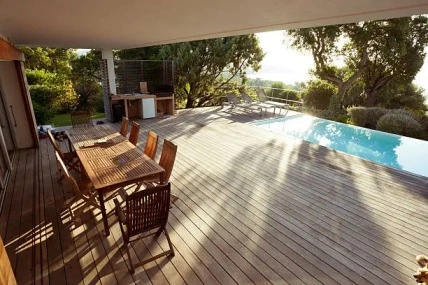
A covered deck earns its cost on the Front Range if it is engineered for our actual weather: real snow load on the roof, wind-rated attachment at the house, and drainage that gets water off the cover instead of into it. Built to a lower standard, the same cover becomes the first thing to fail in a heavy spring snow or a hard hailstorm.
For most Front Range homeowners, yes, if the cover is built to local snow and wind loads. A covered deck adds usable outdoor time in shoulder-season weather, shields furniture and grills from hail and intense UV, and gives a shaded spot during peak summer sun. The value depends entirely on whether the structure is engineered for our climate rather than a generic cover design.
Yes, for what sits underneath it. Hail season runs from spring through September, and the Front Range sits in one of the most hail-prone corridors in the country. A solid roof over the deck protects furniture, grills and the decking surface itself from hail pitting and staining; an open deck takes the full hit every storm. The cover material needs an impact rating, since standard asphalt shingles and thin metal panels can still dent or crack under large hail.
Front Range building codes set a minimum roof snow load by jurisdiction and elevation, and it is higher than many out-of-state prefab cover kits are rated for. A structural engineer or your permitting office can confirm the exact number for your address; do not assume a kit rated for a milder climate meets it. Undersized framing is the most common reason a covered deck collapses under a heavy, wet spring snowfall.
Yes, meaningfully. UV exposure at 5,280 feet and higher runs roughly 25% above sea level, and that intensity fades fabric, cracks plastic and dries out wood finishes faster than the same furniture would age at a lower elevation. A solid or louvered cover blocks most of that direct exposure and extends furniture life by several years in most cases.
A solid-roof cover over an existing deck runs $10,000 to $25,000 depending on size and roofline complexity; a louvered or adjustable cover runs $15,000 to $35,000. Building the deck and cover together, rather than adding a cover to an older deck, costs less overall in most cases because the framing and footings are sized for both from the start.
| Cover type | Typical cost | Best fit |
|---|---|---|
| Solid roof (shingled or metal) | $10,000 to $25,000 | Maximum hail and UV protection, permanent shade |
| Louvered / adjustable cover | $15,000 to $35,000 | Sun control with airflow; check hail impact rating |
| Retractable fabric awning | $3,000 to $9,000 | Lowest cost; retract before hail or heavy snow |
Yes. A covered deck adds a roof structure, which triggers a building permit in every Front Range city and county, separate from any electrical permit for lighting or a ceiling fan. Confirm setback requirements too; a roofed structure can trigger a different setback than an open deck under some city codes.
Yes. Wind-driven storms along the Front Range put real lateral load on a roofed structure that an open deck never sees, so posts, footings and the ledger attachment to the house all need wind-rated hardware, not standard deck screws and brackets. Ask your contractor for the wind design specification in writing, not just a verbal assurance.
A solid roof gives the most complete hail and UV protection and the most predictable snow-load performance, since it is a simple, continuous structure to engineer. A louvered cover adds sun and shade flexibility but needs its own hail-impact rating for the individual louvers, which is a weaker point than a continuous solid roof in a severe storm. For a Front Range build, ask specifically about the louver material's impact rating before choosing style over durability.
Yes, by weeks on each end of summer. A covered deck stays usable through spring showers and light fall snow that would send anyone off an open deck, and it cuts the harshest midday sun that keeps people inside during peak summer heat. Add a heater and the season stretches further into the shoulder months.
Cost is the main one, followed by the permit and engineering process, which takes longer than an open deck build. A solid roof also reduces natural light to any room below or behind it and needs its own gutter and drainage plan so runoff does not pool against the house foundation. Weigh those trade-offs against how many months a year the space actually gets used.
Yes, and it is one of the most skipped details in a rushed build. Route the cover's runoff through gutters and a downspout that moves water at least several feet from the foundation, the same rule that applies to the house roof itself. Skipping this step on Colorado's expansive clay soil is how a deck project turns into a foundation problem.
Most Front Range HOAs require an architectural review submittal for any roofed addition, covering height, roofline and material, before you build. Submit the same engineered drawings used for your building permit; it saves a redraw and speeds up the HOA's review.
A well-built, properly permitted covered deck is a strong selling point on the Front Range, where buyers weigh outdoor living space heavily. Keep the permit, engineering documents and any warranty paperwork; a buyer's inspector and lender both respond better to a documented, permitted structure than one with no paper trail. A landscape designer can help plan the transition between the covered deck and the yard so the whole outdoor space reads as one project instead of two; firms such as the Project Landscape walk homeowners through exactly that kind of drainage and layout planning before the framing goes in. Search current Front Range listings with covered decks and outdoor living space at KennaRealEstate.com.
Footings need to sit below the local frost depth or they heave with the freeze-thaw cycle every winter, which is what eventually tilts posts and racks a roof structure out of square. This is a spot where cutting cost on the footing design shows up as a real problem within a few winters, not decades.
A permitted, well-built covered deck is a real selling point on the Front Range, and the Kenna Real Estate Group at Keller Williams DTC can tell you what similar outdoor living upgrades have added to recent sales in your neighborhood. Call or text 303-955-4220. A live person answers. Not a robot, not a phone tree. Or search every home for sale in Colorado right now.
Questions about any home in Colorado? Call or text 303-955-4220. A live person answers.
Yes for most Front Range homes, as long as the cover is engineered for local snow load and wind, not a generic kit rated for a milder climate.
It protects furniture and the deck surface underneath it, but the cover material itself needs an impact rating; standard shingles and thin metal panels can still dent under large hail.
A solid-roof cover runs $10,000 to $25,000, a louvered cover runs $15,000 to $35,000, and a retractable fabric awning runs $3,000 to $9,000.
Yes. Adding a roof structure triggers a building permit in every Front Range city and county, plus an electrical permit for any lighting or fan.
Yes, wind-driven storms put real lateral load on a roofed structure, so posts, footings and the ledger attachment need wind-rated hardware, not standard deck fasteners.
Cost and a longer permit and engineering process, plus reduced natural light below the structure and the need for its own gutter and drainage plan.
Yes, footings need to sit below the local frost depth or they heave with the winter freeze-thaw cycle, which tilts posts and racks the roof out of square over a few winters.
A well-built, permitted covered deck is a strong selling point here. Keep the permit and engineering documents; buyers' inspectors and lenders respond better to a documented structure.