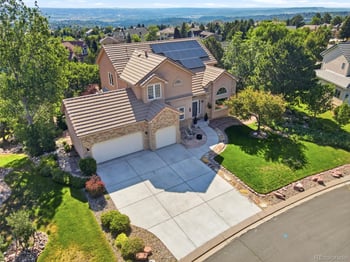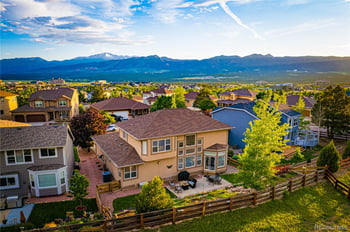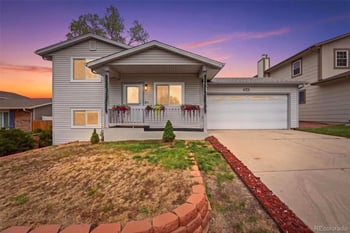
$445,000
Pending
4
Beds
2
Baths
2005
Sqft
0.11
Acres
3820 Soft Breeze Way, Colorado Springs, CO 80918
MLS#: REC6353625
.jpg)


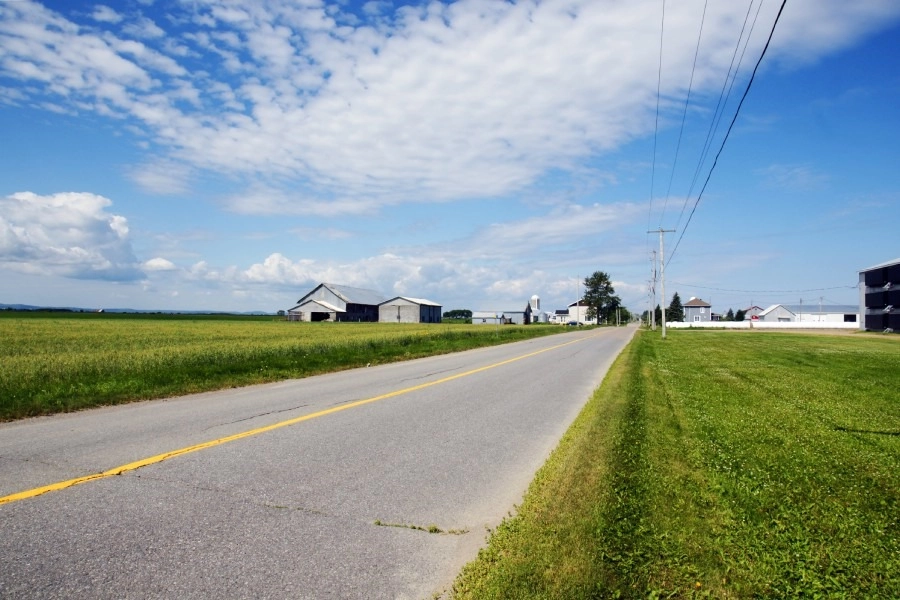
Rural Colorado living trades density for land, at the cost of a longer commute, well and septic maintenance instead of city utilities, and a longer drive to a hospital or grocery store. Here is the honest trade-off, county by county, for a Front Range buyer weighing acreage against a subdivision lot.
Rural, in Colorado real estate terms, means unincorporated county land outside a city's municipal boundary, on a well and septic system, zoned agricultural or rural residential with a minimum lot size of 2.5 to 35 acres depending on the county. Weld County, Elbert County, and parts of unincorporated Douglas and El Paso County hold the bulk of rural land within a reasonable drive of Denver and Colorado Springs.
A rural Front Range property puts more acreage per dollar than a comparable suburban lot, since the price reflects land, not proximity. A five-acre parcel in Elbert County or eastern Weld County runs a fraction of the per-acre cost of a quarter-acre suburban lot in Highlands Ranch or Centennial. That space supports a shop, horses, a large garden, or simple distance from the next structure, which a subdivision lot cannot offer at any price.
A rural property 25 to 45 miles from downtown Denver or Colorado Springs runs 40 minutes to over an hour each way during peak traffic, longer in winter storm conditions. Two-lane county roads without shoulder plowing priority mean a rural commute slows more in a snowstorm than a state highway or interstate commute from a closer suburb, and a single icy stretch on a rural county road can add 20 minutes that a Front Range suburban commute would not see. Weigh the commute honestly against the job's flexibility for remote or hybrid work before buying acreage for a daily in-office job.
Rural Colorado properties run on a private well, a septic system, and propane or electric heat instead of natural gas in most cases, since gas lines rarely extend past the edge of a municipal service area. Budget for well and septic maintenance (inspection and pumping every three to five years), a propane tank lease or purchase, and a generator for the power outages that hit rural lines harder and longer than urban circuits during a Front Range windstorm or heavy snow.
County road crews plow rural roads after state highways and city streets, which means a rural driveway and the road leading to it can stay snow-covered for a day or more after a storm clears in town. A plow attachment for a truck or a standing arrangement with a local contractor is standard equipment for a Front Range rural property, not optional gear.
Fiber and cable internet reach fewer rural Colorado addresses than suburban ones; satellite internet and fixed wireless fill the gap on most acreage properties outside a town's service radius. Confirm actual available providers and real-world speeds at the specific address before closing, since a listing's advertised internet option does not always match what installs at that exact location. A remote worker who needs a reliable connection should get a speed test from the provider at the actual address before making an offer contingent on that job continuing to work from the property.
| Factor | Rural Colorado | Front Range Suburb |
|---|---|---|
| Homeowner insurance | Higher where fire district coverage is thin or distant | Lower with full fire district coverage |
| Property tax classification | Can qualify for agricultural rate if actively farmed or grazed | Standard residential rate |
| Utilities | Well, septic, propane; owner-maintained | City water, sewer, gas; utility-maintained |
| Emergency response | Longer, depends on fire protection district | Faster, dense coverage |
A rural property 30 or more minutes from the nearest hospital changes how a household plans for a medical emergency, and it is worth checking the exact fire protection district and its response time before buying rather than assuming coverage matches what a suburban address gets. This is a genuine planning factor, not a reason to avoid rural land, but it belongs on the same checklist as the well and septic inspection. Ask the current owner or a neighbor which hospital they use and how long the actual drive runs in winter conditions, since a map estimate rarely accounts for a snow-covered county road.
Rural residential and agricultural zoning allows horses, chickens, and other livestock at densities a suburban HOA lot never permits, along with more flexibility for a home-based business, a large shop, or an RV. Confirm the specific county's zoning code and any covenants before assuming a use is allowed; some rural subdivisions carry their own restrictive covenants despite the larger lot sizes. A horse property with an existing barn, fenced pasture, and a working well for livestock saves real money over building that infrastructure from bare land after closing.
Suburban Front Range homes near job centers and transit corridors have appreciated faster than remote rural acreage over the past decade, since buyer demand concentrates around commute convenience. Rural land within 30 to 45 minutes of a metro area, with a well, septic, and clear water rights already in place, holds value better than remote acreage lacking that infrastructure, which sells at a discount and takes longer to move.
The honest comparison comes down to what a buyer values more: land, quiet, and lower density against a shorter commute, city utilities, and faster emergency response. Neither answer is wrong; the mistake is buying rural acreage without budgeting for well, septic, and road maintenance, or buying a small suburban lot without first driving the commute at rush hour. See the Colorado Horse Property Buying Guide for a deeper walkthrough of rural-specific due diligence. Tour a rural property at least twice, once on a weekday and once on a weekend, and drive the exact commute route at the hour you would actually make it before writing an offer.
Comparing a rural county property against a Front Range suburb takes a different checklist than a standard subdivision search, and the Kenna Real Estate Group walks buyers through commute time, utilities, and zoning before touring. Call or text 303-955-4220. A live person answers. Not a robot, not a phone tree. Start with search every home for sale in Colorado.
Questions about any home in Colorado? Call or text 303-955-4220. A live person answers.
Unincorporated county land outside a city's municipal boundary, on a well and septic system, zoned agricultural or rural residential in most cases.
A five-acre parcel in Elbert County or eastern Weld County costs a fraction, per acre, of a quarter-acre lot in Highlands Ranch or Centennial.
25 to 45 miles runs 40 minutes to over an hour each way at peak traffic in most cases, longer during winter storms on unplowed county roads.
No. Rural properties run on a private well and septic system, plus propane or electric heat where natural gas lines do not reach.
It can run higher where fire protection district coverage is thin or the response distance is long; confirm the specific district before buying.
Not as fast, in most years, as land near job centers and transit; rural land within 30 to 45 minutes of a metro area with working infrastructure holds value better than remote acreage.
Well and septic upkeep, driveway and access road maintenance, defensible-space clearing, and fencing repair the county will not handle.
Rural residential and agricultural zoning allows livestock at densities a suburban HOA lot does not, though local covenants can add restrictions.
Start with the Colorado Horse Property Buying Guide, then search every horse property for sale in Colorado.
Buying or selling horse property in Colorado? Call or text 303-955-4220. A live person answers. Not a robot, not a phone tree.