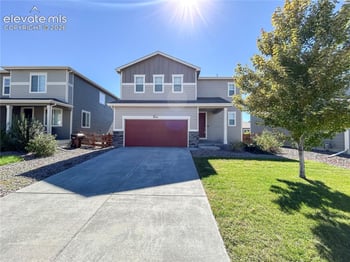
New - 1 Hour Ago
$240,000
Active
3
Beds
3
Baths
1404
Sqft
0.0257
Acres
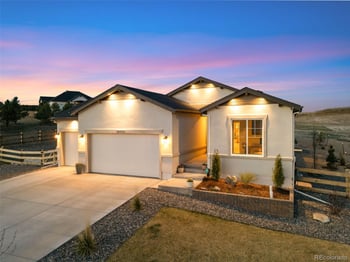
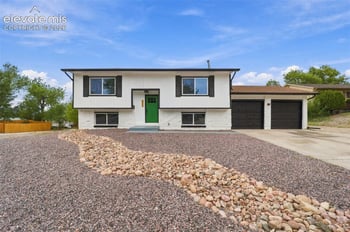
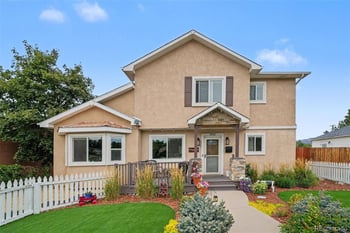
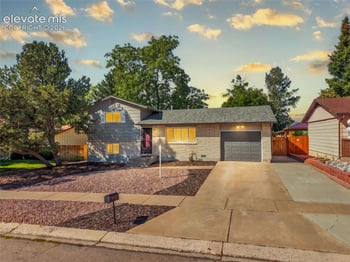
1574 Garden Vista Grv, Colorado Springs, CO 80904
MLS#: 7960643
.jpg)


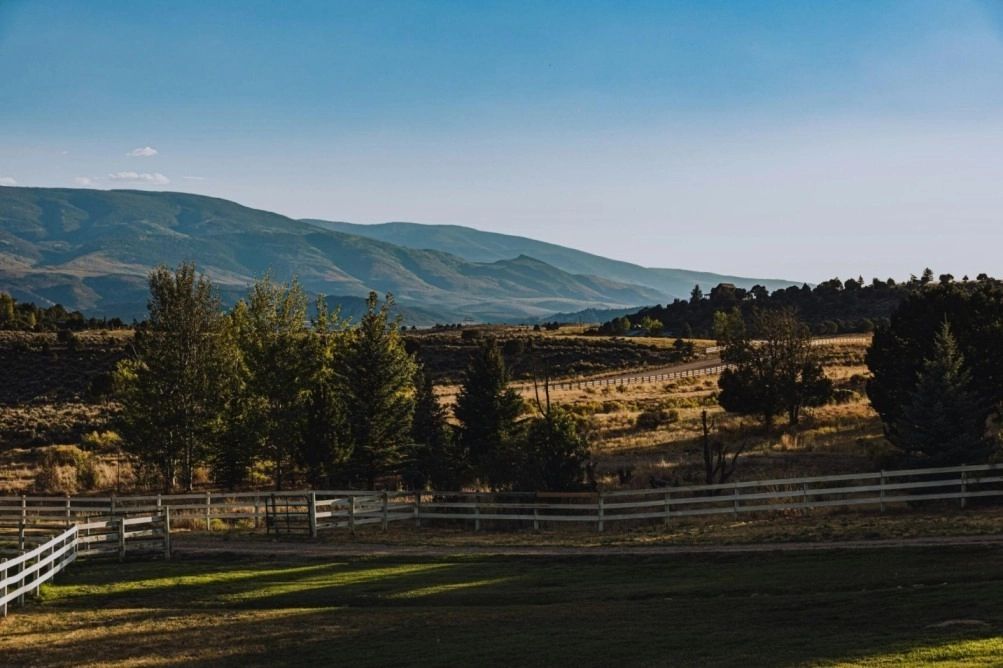
Rural land ownership in Colorado comes with real upside, space, privacy, and in some cases income from leasing or agriculture, and real costs most buyers underestimate: well and septic systems, water rights separate from the land title, defensible-space work, and a longer drive to services. Here is what to check before you sign on Front Range or mountain acreage.
Colorado follows prior appropriation law, where water rights are a separate legal asset from the land itself and can transfer, sell, or lease independently of the property. Buying rural land does not automatically include the right to pump from a stream, pond, or even a well without a documented water right or permit tied to that specific parcel. Before closing, get a water rights attorney or title company to confirm exactly what water rights transfer with the property, since a parcel advertised with a pond or creek frontage does not always include the legal right to use that water.
Most rural Colorado properties run on a private well and septic system instead of municipal water and sewer. A well permit from the Colorado Division of Water Resources specifies the permitted water use (household only, versus household plus livestock or irrigation), and using it outside that permitted scope is a legal problem, not just a practical one. Get the well tested for yield and water quality and the septic system inspected before closing; a failed septic system replacement runs $10,000 to $25,000 depending on soil type and system size.
Colorado counties zone rural land as agricultural, rural residential, or a mix, and each designation limits what you can build (a second dwelling, a barn, a shop) and what you can run on the property (livestock numbers, a home-based business, short-term rental use). Check the county's zoning map and any covenants before assuming a rural parcel allows the use you are planning; a property zoned agricultural in unincorporated Weld County or El Paso County follows different rules than one zoned rural residential in Douglas County.
Land actively used for agriculture, grazing, or hay production can qualify for agricultural classification, which taxes the land at a lower rate than rural residential or vacant land. The county assessor sets the specific income and use thresholds, and they differ by county, so confirm the current requirement with the assessor's office directly rather than assuming a given acreage automatically qualifies.
Rural Colorado land, particularly in the foothills and mountain corridors, sits inside mapped wildfire hazard zones at a higher rate than Front Range suburban lots. Defensible-space requirements limit vegetation and stored fuel within a set distance of any structure, and some counties require a wildfire mitigation plan before issuing a building permit on forested acreage. Clearing brush, thinning trees near structures, and maintaining a gravel or mowed perimeter are ongoing annual work, not a one-time project.
Response time for fire and emergency medical service runs longer on rural Colorado land than in a platted subdivision, and some remote parcels sit outside any fire protection district entirely, which affects both emergency planning and homeowner insurance pricing. Confirm which fire protection district covers the parcel and what the average response time looks like before buying, and check whether power and fiber internet already reach the property line or whether utility extension is a buyer cost.
County subdivision regulations, not just zoning, control whether a rural parcel splits into smaller lots, and the process requires a survey, a water and septic feasibility study for each new lot, and county planning approval that can take a year or more. Land that looks easy to subdivide on a map runs into water rights or septic feasibility limits at a rate high enough that a feasibility study should come before any subdivision plan.
Rural Colorado land can generate income through grazing leases, hay production, hunting leases, or short-term event or agritourism use where zoning allows it. Grazing lease rates and hay yields vary widely by soil quality, water access, and region, so get a realistic number from a local agricultural extension office or a neighboring landowner rather than a listing estimate before counting on it as offsetting income.
Boundary disputes with neighboring parcels, unrecorded easements for shared access roads, mineral rights severed from the surface estate decades ago, and water right disputes are the legal issues that surface most on Colorado rural land. A title search alone does not always catch a severed mineral estate or an old handshake access agreement; a real estate attorney who works specifically with rural land legal services in Colorado can flag these before closing rather than after. Budget for that legal review as a real line item, not an optional add-on, on any parcel without a recent survey and a clean chain of title.
Space, privacy, and distance from neighbors are the appeal for most rural buyers, and the same distance is the trade-off: fewer nearby services, a longer commute, and less social contact day to day than a suburban or urban property offers. The effects of long-term social isolation are worth thinking through honestly before buying land where the nearest neighbor is a mile away, particularly for a buyer moving from a dense urban area for the first time. Visiting the property on a weekday evening and a weekend, not just a daytime showing, gives a truer sense of how quiet and how remote the parcel really feels.
| Factor | What to Check Before Buying |
|---|---|
| Water rights | Confirm what specifically transfers with the deed |
| Well and septic | Test yield, water quality, and septic condition before closing |
| Zoning and covenants | Confirm allowed uses and building rights with the county |
| Wildfire and defensible space | Check the hazard map and mitigation requirements |
| Mineral rights | Confirm whether the surface estate includes them |
Rural land appreciation on the Front Range has tracked strong demand from buyers wanting space and privacy within a reasonable drive of Denver or Colorado Springs, but land without confirmed water rights, a working well, and clear title sells for less and sits longer than a parcel with those questions already answered. The Colorado Real Estate Investing Guide covers how rural and acreage properties compare to other investment types.
Rural and acreage properties need a different due-diligence checklist than a subdivision home, and the Kenna Real Estate Group walks Front Range and mountain-corridor buyers through water rights, well and septic condition, and zoning before an offer goes in. Call or text 303-955-4220. A live person answers. Not a robot, not a phone tree. Start by browsing search every home for sale in Colorado.
Questions about any home in Colorado? Call or text 303-955-4220. A live person answers.
No. Colorado water rights are a separate legal asset from the land title, so confirm exactly what transfers with the deed before closing.
It specifies the permitted use, such as household use only versus household plus livestock or irrigation; using well water outside that scope is a legal violation.
$10,000 to $25,000 depending on soil type and system size, which is why a pre-purchase septic inspection matters on any rural property.
Land actively used for agriculture, grazing, or hay production can qualify for agricultural classification; the specific threshold is set by each county assessor.
Cleared vegetation and managed fuel within a set distance of structures, required in many wildfire hazard zones and an ongoing annual maintenance task, not a one-time project.
County subdivision rules, separate from zoning, control this and require a survey, water and septic feasibility studies, and planning approval that can take a year or more.
Boundary disputes, unrecorded shared-access easements, severed mineral rights, and water right questions are the most common; a title search alone does not always catch all of them.
Land with confirmed water rights, a working well, and clear title holds value better and sells faster than acreage where those questions are still open.
Start with the Colorado Horse Property Buying Guide, then search every horse property for sale in Colorado.
Buying or selling horse property in Colorado? Call or text 303-955-4220. A live person answers. Not a robot, not a phone tree.