.jpg)


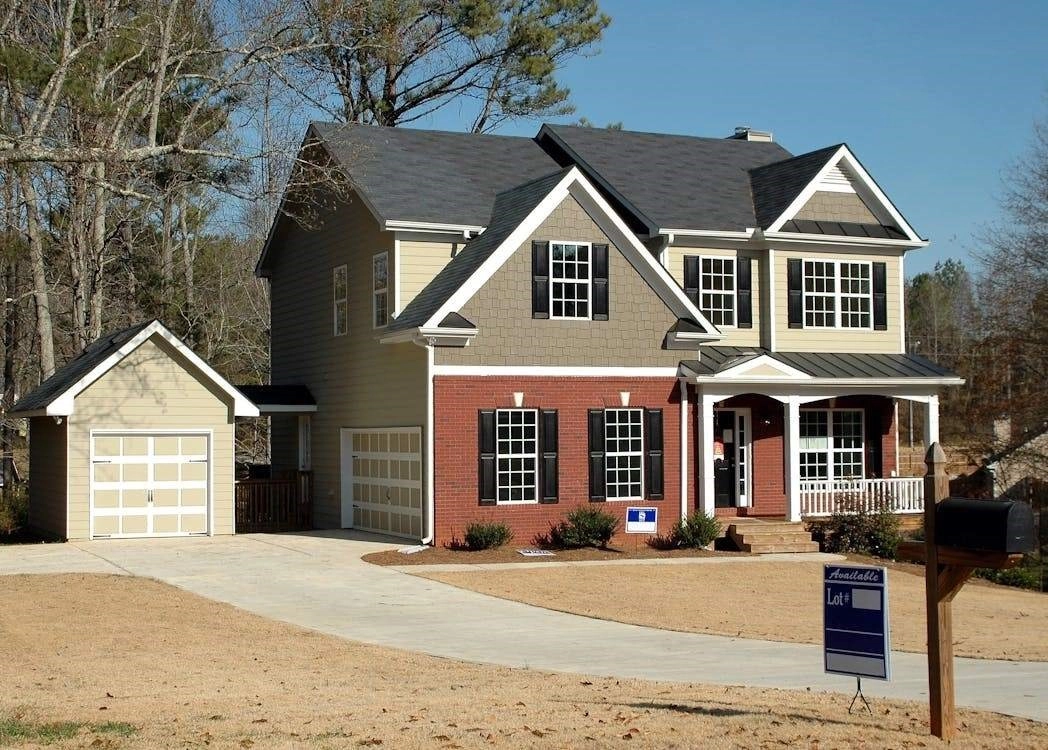
Every siding material handles Front Range hail, UV at altitude, and freeze-thaw differently, and the right choice depends on budget, HOA rules, and how much maintenance a homeowner wants to take on. Here's how the five most common options actually perform in Colorado.
What is the best siding material for a Colorado home?
Fiber cement and insulated vinyl handle the combination of hail, UV, and freeze-thaw best for most budgets on the Front Range. Metal performs even better against hail impact but costs more upfront and runs into HOA approval requirements more frequently than the other options.
Vinyl siding
Vinyl is the most affordable option and comes in a wide range of colors, which makes it popular with builders and budget-conscious homeowners across the metro. It's a widely used, cost-effective choice appreciated for its price point and easy installation.
Vinyl's downside shows up during Front Range hail season: standard panels crack and chip under large hail more readily than fiber cement or metal, and repeated cracking shortens the material's working life. Insulated vinyl closes part of that gap and adds a real benefit on the utility bill; the Department of Energy's guide to lower heating and cooling costs covers how insulation upgrades like this pay back over a Colorado winter.
Does vinyl siding hold up to Front Range hail?
Standard vinyl cracks and chips under large hail more easily than fiber cement or metal siding. Impact-resistant vinyl products close a meaningful part of that gap and cost less installed than a full fiber cement job, which makes them a reasonable middle option for hail-prone corridors.
Natural wood siding
Wood siding is easy to stain in almost any color and gives a home a look that's genuinely hard to replicate with a manufactured product. That authenticity comes at a real maintenance cost on the Front Range: wood siding can be pricey to install and needs restaining or resealing every three to five years to survive UV exposure and freeze-thaw cycling without checking, cupping, or letting moisture behind the panels.
Does wood siding work in a Colorado climate?
It works, but only with a consistent maintenance schedule. Without restaining every three to five years, Front Range UV and dry winters pull moisture out of wood siding faster than in milder climates, and the panels crack and warp as a result.
Metal siding
Metal siding is the most hail-resistant option on this list and holds its finish under intense UV better than wood or standard vinyl. It costs more upfront than vinyl or LP SmartSide, and many Front Range HOAs require a separate architectural review submission for metal exteriors, so check the covenant before ordering.
LP SmartSide
LP SmartSide is an engineered wood product that gives a wood-look finish with better resistance to moisture and impact than natural wood. It splits the difference on cost between vinyl and fiber cement and holds paint well through Front Range temperature swings, making it a common choice for homeowners who want the wood look without the five-year restaining cycle.
Hardie Board (fiber cement)
Fiber cement resists hail impact, doesn't rot, and holds paint through intense UV exposure longer than wood. It costs more installed than vinyl or LP SmartSide, but the lower long-term maintenance and stronger resale positioning make it worth the extra cost for most Front Range homeowners weighing a full re-side. For homeowners in Loveland specifically weighing options, a local siding contractor in Loveland, CO can walk through which profile fits a specific home's exposure; you are free to use any licensed Colorado siding contractor.
What does new siding cost installed on a Front Range home?
Vinyl runs $8,000 to $16,000 on an average 2,000 sq ft home. LP SmartSide runs $10,000 to $19,000. Fiber cement runs $14,000 to $25,000. Metal siding runs $16,000 to $30,000 depending on panel profile and finish.
Does an HOA restrict which siding material a homeowner can install?
Most Front Range HOAs approve specific materials and color palettes through an architectural review committee, and some restrict vinyl or require fiber cement on street-facing elevations. Submit the manufacturer spec sheet before ordering materials; review windows commonly run two to four weeks.
How does freeze-thaw cycling affect siding materials?
Any moisture that gets behind a siding panel expands when it freezes overnight and contracts the next afternoon, and that repeated cycle widens gaps, pops fasteners, and accelerates rot in wood-based products faster than in vinyl, metal, or fiber cement.
Which siding material recovers the most cost at resale?
Fiber cement and quality vinyl both recover a strong share of installed cost because they address curb appeal and maintenance risk at the same time. A well-known boost curb appeal comparison of exterior projects consistently ranks siding near the top. Compare it against other exterior projects in How Long Does Vinyl Siding Last? A Condition-Based Guide and Roof, Siding, or Windows: Which Exterior Upgrade Actually Returns the Most at Resale?.
How does metal siding perform against hail and UV at altitude?
Metal siding resists hail impact better than vinyl or wood and holds its finish under Front Range UV without the fading that wood and standard vinyl show over time. It carries the highest installed cost of the five options here, and some Front Range HOAs require a separate review for metal exteriors, so confirm the covenant before ordering.
Which siding material needs the least maintenance at altitude?
Fiber cement and vinyl both need the least ongoing attention: an occasional rinse and a repaint every 12 to 15 years for fiber cement, no repainting at all for vinyl in most cases. Wood needs restaining every three to five years, and metal needs the least maintenance of all but the highest upfront investment.
Does siding color affect UV fading on the Front Range?
Darker colors absorb more UV and heat and show fading faster than lighter colors at altitude, particularly on south- and west-facing elevations that take the most direct afternoon sun. Ask your siding manufacturer about UV-stable pigment options if you're set on a darker color.
Does siding affect a Colorado homeowners insurance premium?
Some Front Range carriers factor exterior material and condition into underwriting, and impact-resistant siding paired with a Class 4 roof can support a stronger overall wind and hail rating on the policy. Ask your carrier directly whether a specific siding upgrade affects your premium before you commit to a material.
Where to go next
- Preparing and Adding Value Before Selling
- Pricing Your Colorado Home to Sell
- How Long Does Vinyl Siding Last? A Condition-Based Guide
- How to Sell a House in Colorado
- Kenna Real Estate Group Agents
- Search every home for sale in Colorado
Talk to the Kenna Real Estate Group
The Kenna Real Estate Group can tell you which siding upgrades actually move a Front Range offer price and which ones just cost money before a listing goes live. Ask for the printable siding-comparison checklist in the form below and we email it the same day. Call or text 303-955-4220. A live person answers. Not a robot, not a phone tree. Ready to compare homes with updated siding on today's market? Search every home for sale in Colorado.
Homes for sale that match this post
Guides
Questions about any home in Colorado? Call or text 303-955-4220. A live person answers.