New - 6 Hours Ago

$380,000
Active
4
Beds
3
Baths
1600
Sqft
0.1409
Acres
3469 Monica Dr, Colorado Springs, CO 80916
MLS#: 9438615
.jpg)


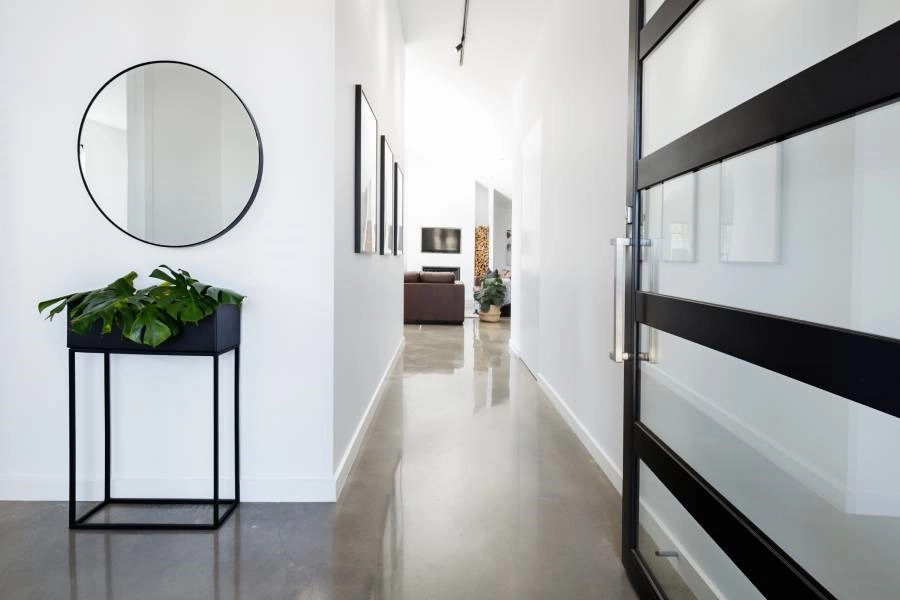
A stained or polished concrete floor sells in Denver and Colorado Springs when it looks intentional, not like an unfinished basement slab. The fix is a stain or polish, a sealer rated for foot traffic, and a rug in the rooms that need warmth. Here is what actually works on a Front Range concrete floor and what it costs.
Three finishes cover most Front Range homes: an acid or water-based stain for color, a mechanical polish for a smooth reflective surface, and a protective sealer over either one. For inspiration on stain colors and patterns, browse the project galleries at losangelesdecorativeconcrete.com; a licensed concrete contractor in the Denver metro applies the same stain, polish and sealing techniques on a Colorado slab.
Yes, better than almost any other flooring. Concrete stores and releases heat evenly, which is why radiant systems are poured directly into concrete slabs in new Front Range construction. Stain and seal are surface treatments and do not interfere with the radiant tubing beneath them.
A basic acid stain and sealer runs $3 to $7 per square foot on an existing slab. A full mechanical polish with decorative aggregate runs $5 to $12 per square foot. Both are a fraction of the cost of tearing out a slab and installing hardwood or tile over it.
Yes. Polished concrete resists the moisture that shows up in a Front Range basement after heavy spring runoff or a sump pump hiccup, and it needs no subfloor, which matters in older Denver homes with a slab poured close to grade. Pair it with a washable rug rather than wall-to-wall carpet in a basement without a dedicated drain.
Exterior slabs (patios, driveways, garage floors) crack from freeze-thaw when water gets into existing cracks and expands. Interior concrete floors, protected from the weather, do not see the same cycle and hold up for decades with normal sealing. Choosing the right concrete stain color matters more for an interior floor's long-term look than the freeze-thaw cycle does.
A penetrating sealer under a topical sealer is the combination Colorado concrete contractors use most, because it protects against both the mag chloride tracked in on boots during snow season and the dry-air abrasion that comes from Colorado's dust. Reapply the topical layer every two to three years in a high-traffic entry.
In a main living area, most buyers still expect hardwood, engineered wood or tile, so a stained concrete floor there reads as a design choice that not every buyer shares. In a basement, garage, or converted flex room, a clean stained or polished concrete floor reads as finished and intentional, which is the bar that matters for resale.
Every two to three years in a high-traffic room, longer in a low-traffic basement. Reseal sooner if water stops beading on the surface, which is the sign the sealer has worn through.
Yes, as long as the sealer has fully cured (allow the full cure window on the product label, several weeks per the product label) before laying a rug. A rug pad rated for sealed floors keeps moisture from getting trapped between the rug and the concrete.
Without radiant heat, yes, concrete stays cooler underfoot than wood or carpet through a Front Range winter. Area rugs in seating areas and a programmable radiant system under the slab both fix this; a stain or seal finish does not change the floor's temperature.
Staining adds color that soaks into the surface; polishing grinds the slab to a smooth, reflective finish and can be done with or without color. Many Front Range contractors combine both: stain for color, then a light polish and seal for sheen and protection.
In a basement or garage-adjacent flex space, a finished concrete floor adds more perceived value than an unsealed gray slab, because it signals the space is a finished room rather than storage. See the guide to preparing and adding value before selling for which basement and flex-space upgrades Front Range buyers respond to.
If the existing slab is bare, stained, or cracked-looking, yes; a $3 to $7 per square foot stain and seal is a low-cost fix that photographs well for a listing. Pull recent comparable sales through the Smart Pricing Report to see whether buyers on your block are paying for finished basements before spending on the upgrade.
Yes, especially in older Denver homes without a sump system or with grading that pushes water toward the foundation. Fix drainage and grading first; staining or sealing a slab that is actively taking on moisture traps the problem instead of solving it.
Neutral tones (warm gray, sand, soft brown) match the widest range of buyer taste and the flooring already in the rest of a Front Range home. Save bold colors for a home you plan to keep.
Yes, and it is the most common floor to keep as-is when a Front Range garage becomes a flex room, gym or office. Clean, patch any cracks, then stain or polish over the existing slab instead of covering it with a subfloor; that keeps the ceiling height a raised floor system would take away.
A finished basement appraises higher per square foot than an unfinished one on the same block, and a stained or polished concrete floor is one of the lowest-cost ways to make a basement read as finished rather than storage. Compare recent finished and unfinished basement sales on your street through the Kenna market reports before budgeting the project, and read the Colorado Home Seller's Guide for the rest of the pre-listing checklist.
A small, low-traffic area (a laundry room, a closet) is a reasonable DIY project with a water-based stain kit. A main living area, a basement you plan to sell soon, or any polish work is worth hiring out; an uneven DIY stain job is one of the more visible flaws a buyer notices on a walkthrough, and it costs more to strip and redo than to hire correctly the first time.
The Kenna Real Estate Group walks Front Range sellers through which basement and flooring fixes buyers actually pay for before a listing goes live. Call or text 303-955-4220. A live person answers. Not a robot, not a phone tree. Or search every home for sale in Colorado.
Questions about any home in Colorado? Call or text 303-955-4220. A live person answers.
A basic acid stain and sealer runs $3 to $7 per square foot on an existing slab; a full polish with decorative aggregate runs $5 to $12 per square foot.
No. Stain and sealer are surface treatments applied over the slab and do not affect the radiant tubing poured inside it.
Every two to three years in a high-traffic room. Reseal sooner if water stops beading on the surface.
Most Denver buyers still expect hardwood, engineered wood or tile in main living areas. Stained concrete reads best in a basement, garage or flex room.
Exterior slabs exposed to the weather can crack from freeze-thaw. Interior concrete floors, protected from moisture and temperature swings, hold up for decades with normal sealing.
Yes, once the sealer has fully cured per the product label. Use a rug pad rated for sealed floors so moisture does not get trapped underneath.
Neutral tones like warm gray, sand or soft brown match the widest range of buyer taste and the flooring already in the rest of the home.
Yes. Cleaning, patching and staining the existing slab keeps the ceiling height a raised subfloor would take away, and it is the lowest-cost way to finish the floor of a converted garage.


