New - 15 Mins Ago


.jpg)


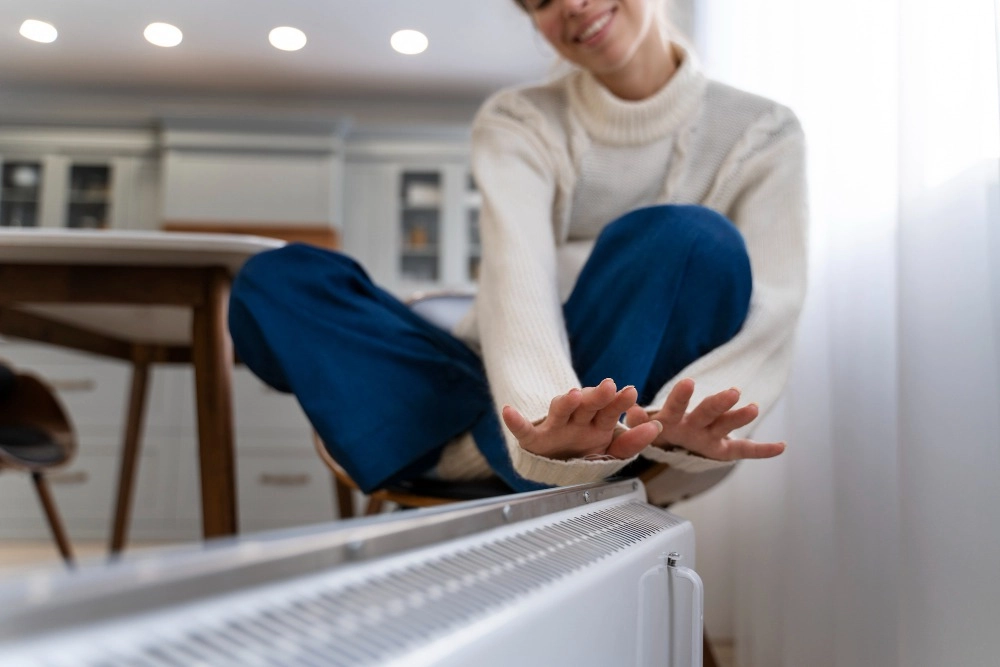
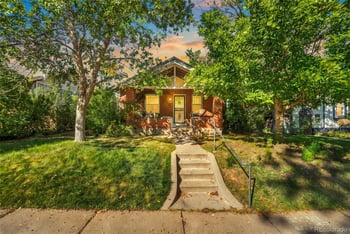
Walk through a century-old bungalow in Baker, Capitol Hill or Sunnyside and there's a good chance the heat still comes from cast-iron radiators fed by a boiler in the basement. That system was built for a different era, but on the Front Range, where dry air is the norm and altitude changes how equipment performs, it still has real advantages if it's maintained correctly.
Yes. Many pre-1950s homes across Denver's older neighborhoods, Baker, Capitol Hill, Sunnyside, Berkeley, Uptown, were built with hydronic (hot water) radiator systems, and a large share of them are still running on original or partially updated boilers today. Some owners have converted to forced air, but plenty keep the radiators for the even, quiet heat they provide.
Radiant heat doesn't move air the way a forced-air furnace does, so it doesn't add to the dust circulation that's already a problem in Colorado's low-humidity winters. It also doesn't dry out indoor air the way forced-air heat can, since it isn't constantly pulling and reheating air through ductwork. Many owners in older Denver homes pair it with a stand-alone humidifier to manage the 10% to 25% indoor humidity common here in winter.
At 5,280 feet and higher, thinner air changes the combustion ratio in a gas-fired boiler, and units not adjusted for altitude burn less efficiently and can trip the boiler's automatic shutoff. Installers along the Front Range de-rate and tune boilers for elevation as standard practice; a boiler installed or serviced by a technician without high-altitude experience is worth a second look.
| Project | Typical Front Range cost |
|---|---|
| Boiler tune-up and inspection | $150 - $350 |
| Radiator bleed and balance (per visit) | $150 - $300 |
| New high-efficiency boiler, installed | $6,000 - $12,000 |
| Thermostatic radiator valves (per radiator) | $75 - $150 installed |
Yes. Thermostatic radiator valves let each room hold its own temperature without replacing the boiler or the radiators themselves, which is one of the most cost-effective upgrades available for a Denver home that already has the original hydronic piping in place.
Most modern smart thermostats integrate with an existing boiler's zone controls, and thermostatic radiator valves retrofit onto original cast-iron radiators without replacing the radiator itself. Together they let a homeowner keep the character of original radiator heat while adding room-by-room control that older systems never had.
A hydronic system's biggest cold-weather risk is a boiler or pipe run in an unheated space, a detached garage conversion or an uninsulated addition, freezing solid during an extended cold snap. Draining and winterizing any radiator loop that serves an unheated space before winter prevents a cracked cast-iron radiator, which is expensive to source and replace.
Not automatically, but it's worth confirming the boiler's age and service history. A well-maintained boiler can run efficiently for decades, while a neglected one nearing the end of its life is a five-figure replacement. Ask for service records and get the system evaluated during the inspection period, before the objection deadline, rather than assuming age alone is a problem.
Radiant heat doesn't actively dry the air the way a forced-air system running constantly can, but Colorado's outdoor humidity is low enough that indoor air still needs supplemental humidification regardless of heating type. A whole-home or portable humidifier paired with radiator heat keeps wood floors, trim and household comfort more stable through a Front Range winter.
Yes, hydronic radiator heat is one of the more recognizable features of Denver's older housing stock, alongside original hardwood floors and vintage trim. Buyers specifically searching these neighborhoods expect it and factor boiler condition into their offer the same way they weigh roof or electrical panel age. Sunnyside, Berkeley and parts of Washington Park carry the same pattern, since most of that housing stock predates the shift to forced-air construction after World War II.
It depends on the buyer pool. Forced air adds central air conditioning capability, which some Front Range buyers prioritize during hot, dry summers, but a full conversion is a significant project that disrupts plaster walls and original trim in an older home. Many owners choose to add ductless mini-split cooling instead, which keeps the radiator heat intact while solving the summer comfort gap.
Inspectors flag corrosion at the boiler and piping connections, an expansion tank that's failed or oversized for the system, and radiators that don't heat evenly, a sign of trapped air or sediment buildup. These are inexpensive to address individually but add up as a negotiation point if several appear together on one inspection report.
Yes, since most Front Range hydronic boilers sit in the basement, low to the floor. A heavy spring runoff or a sudden mud season downpour that overwhelms a sump pump can reach the boiler's electrical components before it reaches much else in the basement. Confirming the sump pump works and the boiler sits on a raised platform, common in older homes but not universal, is worth checking each spring.
A well-maintained boiler commonly lasts 20 to 30 years, longer than the 15 to 20 year typical lifespan of a forced-air furnace, largely because cast-iron radiators and boiler components see less wear than a furnace's blower motor and heat exchanger cycling on and off constantly. That longevity is part of why so many original systems are still running in Denver's century-old housing stock.
A boiler replacement quote can swing a lot between a straightforward install and one that has to route new venting through a finished basement, so it's worth getting that number before it affects your offer strategy. Looking at a Denver bungalow with original radiator heat, or trying to figure out what a boiler system is really worth accounting for in your offer? The Kenna Real Estate Group can help you weigh it against comparable homes. Call or text 303-955-4220. A live person answers. Not a robot, not a phone tree. Or search every home for sale in Colorado to compare homes with radiator heat to those with forced air.
Yes, many pre-1950s homes in neighborhoods like Baker, Capitol Hill and Sunnyside still run on original or updated hydronic boiler and radiator systems.
Yes. Thinner air at elevation changes combustion, so boilers need to be de-rated and tuned for altitude. A technician without high-altitude experience leaves a system running inefficiently.
A new high-efficiency boiler installed runs $6,000 to $12,000, while a routine tune-up and inspection runs $150 to $350.
Yes, thermostatic radiator valves retrofit onto existing cast-iron radiators for $75 to $150 installed per radiator, without replacing the boiler or radiators.
Radiant heat doesn't circulate air the way forced air does, so it adds less to Colorado's already low winter indoor humidity, though a humidifier still helps regardless of heating type.
Not automatically. Ask for service records and have the system evaluated during the inspection period. A well-maintained boiler can run efficiently for decades; a neglected one can mean a five-figure replacement.