New - Just Now

$369,900
Coming Soon
2
Beds
1
Baths
1035
Sqft
--
Acres
1777 Larimer St #1203, Denver, CO 80202
MLS#: REC5489825
.jpg)


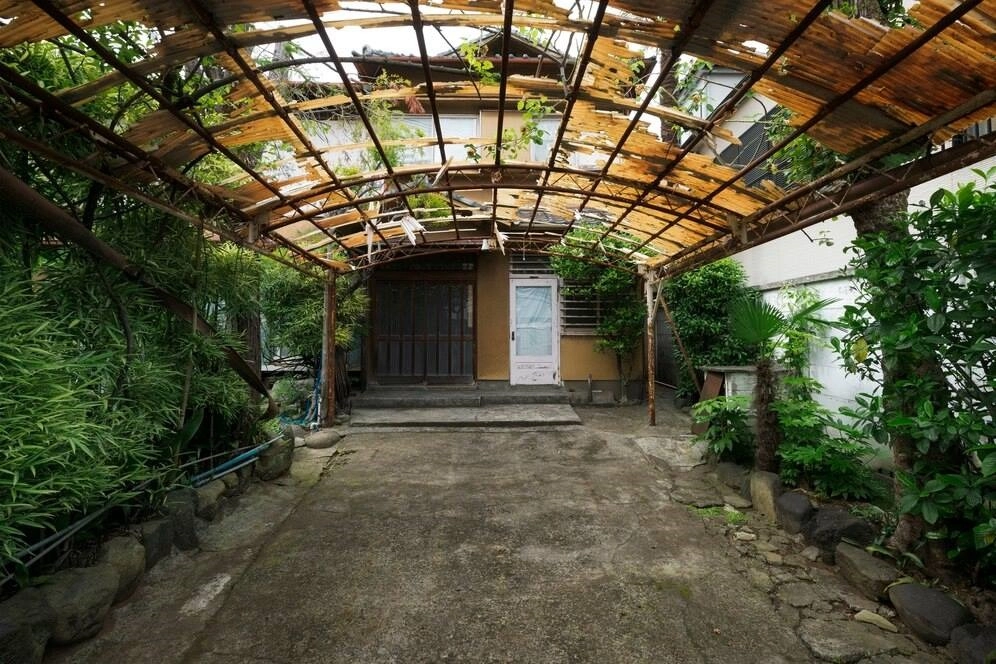
Insulating a detached garage, barn, or shed on a Colorado property turns it into usable space for more of the year and protects anything stored there from the state's wide daily temperature swings, and it is one of the more affordable projects a Front Range property owner can do before listing an acreage or semi-rural property. Here is what it costs, what permits apply, and what it actually adds at resale.
It adds value primarily by expanding how a buyer can picture using the space — a workshop, a studio, extra storage that holds temperature-sensitive items — rather than by adding to the home's finished square footage. On horse properties and larger Front Range lots, a usable outbuilding is a genuine selling point in listing photos and showings.
Expect roughly $1.50 to $4 per square foot of wall and ceiling area for batt or blown insulation in a detached garage or shed, and higher for a spray foam application, which performs better against air infiltration in a drafty pole barn. A typical two-car detached garage runs $2,000 to $6,000 depending on the insulation type and whether drywall finishing is included.
Denver and the Front Range regularly swing 40 degrees between a morning low and an afternoon high, and an uninsulated metal or wood-frame structure tracks that swing almost in real time. That temperature cycling is hard on stored paint, electronics, wine, and anything with a plastic or rubber component, and it makes the space uncomfortable to work in for more than a few minutes at a time.
Insulation alone, without adding electrical or plumbing, is frequently exempt from permitting across Front Range jurisdictions, but adding a new circuit, a heater, or a vapor barrier tied to a structural change commonly is not. Check with the specific county or city building department, since Denver, Jefferson County, Douglas County, and El Paso County each set their own thresholds.
No. A detached, unheated-by-code outbuilding does not count toward a home's finished living area on a Front Range listing or appraisal unless it meets the same construction standards as the main house, including a permanent foundation, heat, and code-compliant electrical. It is marketed and valued separately as a feature, not as added square footage.
Yes, once insulated and with a heat source added, a garage or barn becomes usable through a Front Range winter rather than just from April through September. Pair insulation with a mini-split or a small electric heater sized to the space, and confirm the electrical addition is permitted.
Yes. Repeated freezing and thawing damages anything with liquid content, including paint, caulk tubes, and some automotive fluids. Insulation slows the rate of temperature change inside the structure, which reduces the number of freeze-thaw cycles stored items go through over a winter.
For a detached garage or workshop that will see occasional heat, R-13 to R-21 in the walls and R-30 or higher in the ceiling is a reasonable Front Range target, similar to the standards used in an attached garage. A barn or shed used mainly for storage without heat can use a lighter insulation package focused on temperature moderation rather than full comfort heating.
Insulation itself, being interior, commonly does not require HOA review, but any exterior change that comes with it, new siding, vents, or a different roofline, frequently does on a Front Range property inside an HOA or metro district. Check the covenants before any exterior work begins.
Yes, in most cases. Colorado's dry climate still produces enough interior humidity from equipment, animals, or seasonal moisture to warrant a vapor barrier behind the insulation in a pole barn, which prevents condensation from forming inside the wall cavity during winter temperature swings.
Yes, meaningfully. An insulated, heated garage or workshop holds temperature far longer between heater cycles than an uninsulated one, which cuts the electric or gas cost of keeping it usable through a Front Range winter.
List it specifically: "insulated detached garage" or "insulated barn with power" reads differently to a buyer searching for a workshop, hobby space, or horse property than a plain outbuilding does. Photograph the space finished and usable, not just as bare framing.
Rough in the electrical first, then insulate around it, the same sequence used in a house. Insulating first and then fishing wire through finished walls costs more in labor and risks damaging the insulation.
Buyers looking at acreage, horse properties, and larger suburban lots across the Front Range consistently ask about outbuilding condition and usability, particularly for hobby space, vehicle storage, or a home business. It is a specific search filter for a meaningful share of that buyer pool.
An attached or detached garage commonly has conventional stud-wall framing, which takes standard batt insulation the same way a house does. A pole barn's post-frame construction has wider stud spacing and frequently a metal exterior skin, which conducts and loses heat differently and commonly calls for a continuous rigid foam or spray foam layer against the metal panels rather than batts alone, plus the vapor barrier discussed above.
Yes. A moderated temperature range reduces condensation on stored vehicles, tools, and equipment, which is one of the more common causes of surface rust and corrosion in an uninsulated Front Range garage or barn through the winter months. Pairing insulation with a dehumidifier in a particularly damp structure adds further protection.
Some carriers price a detached structure differently once it has power, heat, or finished interior space, since the replacement cost is higher than for an unfinished shell. Tell your insurance agent about the upgrade so the outbuilding is covered at its actual finished value rather than its prior bare-shell value.
If you have a barn, shed, or detached garage on a Front Range property and want to know what it is worth finished versus as-is, we can show you comparable listings that market the space either way. Call or text 303-955-4220. A live person answers. Not a robot, not a phone tree. Looking for a property with outbuilding space already in place? Search every home for sale in Colorado.
Questions about any home in Colorado? Call or text 303-955-4220. A live person answers.
No, not unless it meets the same construction standard as the main house, including a permanent foundation, heat, and code electrical. It is marketed as a separate feature instead.
Roughly $1.50 to $4 per square foot for batt or blown insulation. A typical two-car detached garage runs $2,000 to $6,000 depending on material and finishing.
Insulation alone is frequently exempt, but adding electrical, a heater, or a structural vapor barrier commonly is not. Confirm the threshold with the specific county or city.
R-13 to R-21 in the walls and R-30 or higher in the ceiling for a space that will see occasional heat, similar to an attached garage standard.
In most cases, yes. Interior humidity from equipment, animals, or seasonal moisture can condense inside the wall cavity during winter temperature swings without one.
Yes. Repeated temperature cycling stresses paint, caulk, and anything with liquid content. Insulation slows the rate of change and reduces freeze-thaw cycling.
Yes. Buyers searching horse properties, hobby space, or vehicle storage consistently ask about outbuilding insulation, power, and usability.
Rough in electrical first, then insulate around it, the same sequence used inside a house. Insulating first and fishing wire afterward costs more and risks damage.