.jpg)


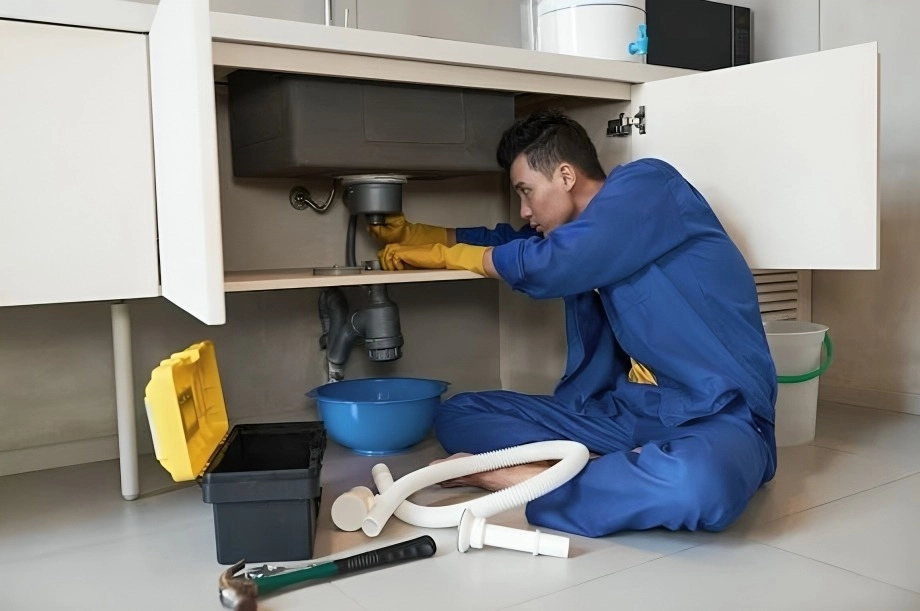
A dripping faucet or a slow drain is a reasonable weekend DIY project. A major leak, a sagging ceiling, no hot water throughout the house, or a sewer backup is not, and treating one of these as a DIY project in a Colorado home risks turning a plumbing bill into a structural repair bill. The line sits at whether the problem threatens the home's structure, its water supply as a whole, or the health of the people living in it.
Extensive Water Leaks
A dripping faucet is one thing; a leak that shows up as a wet spot on a ceiling, a soft spot in a floor, or water pooling near a foundation is a different problem entirely. Water that reaches framing or subfloor weakens the structure it touches, and the longer a large leak runs, the more it costs to repair once the source is finally found and fixed.
No Hot Water Throughout the House
A single fixture with no hot water points to a local valve or fixture problem in most cases. No hot water anywhere in the house points to the water heater itself, the gas or electrical supply feeding it, or a failed component inside the tank, and a homeowner working on a gas water heater without the right training risks a gas leak or a carbon monoxide problem.
A Sagging or Stained Ceiling
A stained or sagging ceiling almost always means water has been sitting inside the structure for a period of time, not just passing through. By the time a stain appears, the leak has reached insulation and framing in most cases, and opening the ceiling to find the source is a job for a plumber working alongside, or ahead of, a general contractor.
Sewer and Main Line Clogs
A slow single drain clears with a plunger or a drain snake in most cases. A clog that affects several fixtures at once, or a toilet that gurgles when a washing machine drains, points to a blockage in the main line, which requires a camera inspection and equipment most homeowners do not own.
The Cost of Waiting
A leak left alone rarely stays the same size. What starts as a small drip under a sink can spread to a cabinet floor, then to the subfloor beneath it, turning a repair that would have cost a few hundred dollars into one that costs a few thousand once flooring and cabinetry are involved. Addressing a plumbing problem the week it is noticed, rather than the month it becomes impossible to ignore, is the single biggest cost control a Colorado homeowner has.
Colorado's Freeze-Thaw Cycle Turns Small Leaks Into Big Ones
A minor leak that would stay minor in a milder climate can worsen fast in Colorado once winter arrives. A pipe already under stress from a small leak is more prone to cracking fully during a hard freeze, turning a slow drip into a burst pipe overnight. Address a known leak before the first hard freeze of the season rather than waiting until spring.
Health Risks: Mold and Water Damage
Standing water and ongoing dampness inside a wall or ceiling create the conditions mold needs to grow, and mold remediation is a separate cost from the plumbing repair itself. A musty smell, visible discoloration, or a health reaction that improves when someone leaves the house are all signs worth having checked before a small leak becomes two separate repair projects.
What a Professional Repair Costs in Colorado
A straightforward fixture repair runs $150 to $400 in most Front Range markets. A main line clear, a water heater replacement, or a leak repair that requires opening a wall or ceiling runs $500 to $3,000 or more depending on the scope, and a repair that involves the sewer line or a slab leak can run higher still.
Plumbing Issues That Show Up During a Colorado Home Inspection
A home inspector checks water pressure, drain flow, the water heater's age and condition, and visible signs of a past or current leak around fixtures, in the basement, and near the foundation. A documented plumbing issue found during inspection becomes part of the negotiation between buyer and seller, so a homeowner planning to sell benefits from fixing a known problem before it shows up as a surprise on someone else's inspection report. An inspector also checks for cross-connections and improper past repairs, which a DIY fix sometimes leaves behind even after the visible leak is gone.
Preventing the Next Leak
Insulate exposed pipes in an unheated garage, crawl space, or basement before the first hard freeze, and know where the main shutoff valve is so a burst pipe can be stopped fast rather than left running until help arrives. Replace a water heater once it passes 10 to 12 years old, since a tank near the end of its life is more prone to failing suddenly than gradually. Walk the basement and crawl space once a season and look for a fresh water stain, a damp smell, or corrosion around a fitting; catching a small problem in the fall is far cheaper than discovering it after a winter freeze turns it into a burst pipe.
Where to go next
- Search every home for sale in Colorado
- Preparing and adding value before selling a Colorado home
- Why plumbing should never be an afterthought during a home inspection
- Why fast emergency plumbing response matters
- Hidden water damage warning signs Colorado buyers should check
- Talk to a Kenna Real Estate Group agent
Talk to the Kenna Real Estate Group
The Kenna Real Estate Group helps Colorado homeowners understand how a plumbing issue, current or past, affects a home's value before listing or buying. Call or text 303-955-4220. A live person answers. Not a robot, not a phone tree. Or search every home for sale in Colorado to compare homes with updated systems.
Homes for sale that match this post
Guides
Questions about any home in Colorado? Call or text 303-955-4220. A live person answers.