New - 4 Hours Ago
.jpg)


Wiring problems hide behind drywall, which is exactly why a Colorado buyer should treat them as seriously as a foundation issue: a home built before 1980 can carry knob-and-tube, aluminum branch wiring, or decades of amateur additions that a walkthrough will never reveal. Order a licensed electrical inspection before the inspection objection deadline on any Front Range home built before 1990.
A Front Range household today runs far more on the same circuits a 1960s or 1970s home was wired for: a home office with multiple monitors, an EV charger, a heat pump water heater, and enough phone and laptop chargers to fill every outlet in a room. None of that load existed when the original wiring was installed, which is exactly why an old system that worked fine for decades can suddenly show its age the moment a buyer adds modern appliances.
A breaker panel should trip only occasionally, under a genuine overload. Frequent tripping in an older Denver metro home commonly means the circuits were sized for 1960s or 1970s appliance loads and can't handle today's kitchen, EV charger, or home office equipment. This is one of the most common findings during a pre-purchase electrical inspection on a Front Range starter home.
Flip every light switch, plug a phone charger into a handful of outlets across different rooms, and run the microwave and bathroom fan together while watching for dimming, a set of two-minute checks that costs nothing and can surface an issue worth asking the seller about before writing an offer.
Lights that dim or flicker when a large appliance like a microwave or AC unit kicks on point to wiring that's struggling to distribute power evenly, commonly from a loose connection, an undersized circuit, or aging wire insulation. If it happens in multiple rooms at once, treat it as a whole-panel issue, not a single fixture problem.
| Scope | Typical Front Range cost |
|---|---|
| Partial rewire (problem areas only) | $2,000-$6,000 |
| Full home rewire (1,500-2,000 sq ft) | $8,000-$18,000+ |
| Aluminum wiring remediation (connector-based fix) | $1,500-$4,000 |
| Panel upgrade alongside rewire | Add $2,500-$4,500 |
Mice and squirrels move into attics and crawl spaces across the Front Range, especially in homes near open space or mature landscaping, and chewed wire insulation is a common cause of electrical shorts and fires that inspectors flag during an attic walkthrough. An older home with a history of rodent activity deserves a closer wiring check, not just pest control.
Colorado law (C.R.S. 38-45-101) requires a carbon monoxide alarm in any residence with a fuel-fired appliance, fireplace, or attached garage, and sellers of single-family homes must have working alarms installed before the buyer takes possession. Old wiring and old fuel-fired equipment commonly go hand in hand in a pre-1980 Front Range home, so confirm CO alarm compliance at the same time an electrical inspection happens.
Several Colorado insurers decline or surcharge policies on homes with known knob-and-tube or unremediated aluminum wiring, similar to how they treat outdated electrical panels. Confirm insurability during the inspection period, not after closing, since a buyer who can't bind a policy can't close a financed purchase.
Under Colorado's standard purchase contract, wiring problems found before the inspection objection deadline become part of the buyer's formal repair or credit request, and because insurance and personal risk are both tied to it, sellers commonly have less room to decline than with a cosmetic item. A pre-listing electrical inspection lets a seller address problems on a predictable schedule instead of a rushed one.
Buyers competing in a fast-moving Front Range market sometimes waive the general inspection to strengthen an offer, but a stand-alone electrical inspection is worth keeping even then, since it's a faster, cheaper check than a full home inspection and it directly answers the insurability question before the offer is finalized.
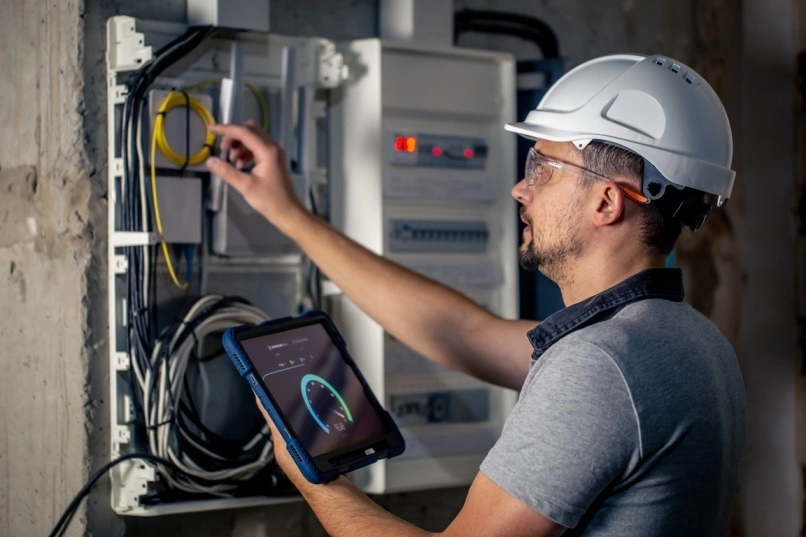
A licensed electrician's whole-house inspection in Denver metro runs roughly $150 to $400 and covers the panel, visible wiring in accessible areas, outlet grounding, and GFCI/AFCI protection where code requires it. This is worth ordering as a stand-alone service on any home built before 1990, separate from the general home inspection.
Ground-fault circuit interrupter (GFCI) outlets near water sources, and arc-fault circuit interrupter (AFCI) breakers protecting bedroom and living space circuits, are standard in new construction but frequently absent in a home wired before the 2000s. Adding GFCI outlets in kitchens, bathrooms and garages runs roughly $150 to $400 for a handful of locations, a small cost that closes one of the more common gaps a Front Range inspector flags.
Beyond the fire and shock risk, unpermitted DIY electrical work discovered during a sale can require a seller to open up walls for a retroactive inspection, or to have a licensed electrician certify work that was never permitted in the first place. Any wiring project beyond swapping a light fixture or outlet cover should go through a licensed electrician who pulls the permit the city requires.
A pattern of unpermitted work, mismatched outlet styles from room to room, or wiring spliced together outside a proper junction box, are all things a licensed electrician spots quickly during a whole-house inspection even when the work looks fine to an untrained eye.
Modern homes commonly use standard electrical socket and receptacle configurations that a general inspector checks quickly, but older wiring behind the walls needs the specialist. And if an attic check turns up chewed insulation, get ahead of any related rodent infestations before they cause a repeat problem after the wiring is fixed.
The Kenna Real Estate Group helps Front Range buyers order the right inspections on an older home before the objection deadline passes, and helps sellers get ahead of wiring issues before they slow down a closing. Call or text 303-955-4220. A live person answers. Not a robot, not a phone tree. Ready to look at homes now? Search every home for sale in Colorado.
Questions about any home in Colorado? Call or text 303-955-4220. A live person answers.
Check an unfinished attic or basement for individual wires running through ceramic knobs and tubes, common in Denver homes built before the 1940s; a licensed electrician can confirm it in a walkthrough.
A partial rewire targeting problem areas runs $2,000 to $6,000; a full rewire on a 1,500 to 2,000 square foot home runs $8,000 to $18,000 or more.
Not always. A connector-based remediation at each connection point, commonly $1,500 to $4,000, satisfies most insurers and inspectors without a full rewire.
C.R.S. 38-45-101 requires a working carbon monoxide alarm in any residence with a fuel-fired appliance, fireplace, or attached garage, and sellers must have alarms installed before the buyer takes possession.
Yes, several insurers decline or surcharge a policy on a home with known knob-and-tube or unremediated aluminum wiring, so confirm insurability during the inspection period, not after closing.
Roughly $150 to $400 for a licensed electrician to check the panel, accessible wiring, outlet grounding, and GFCI/AFCI protection.
Yes, mice and squirrels chewing through wire insulation in an attic or crawl space is a documented cause of electrical shorts and fires, and it's worth a specific check in homes near open space.