New - Just Now
$661,500
Active
2
Beds
3
Baths
1605
Sqft
0.0376
Acres
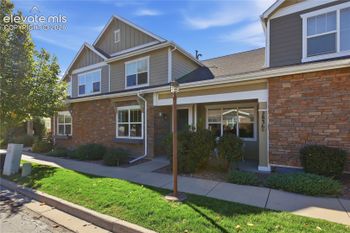
2825 Elm Meadow Vw, Colorado Springs, CO 80907
MLS#: 8678581
.jpg)



Buying a first home in Colorado runs 30 to 60 days from an accepted offer to closing, and it leaves a paper trail worth keeping: showing notes, the inspection report, the closing disclosure, and the photo from the day the keys change hands. A photobook turns that stack of paperwork into something worth opening again. Here is what the Front Range home-buying process looks like stage by stage, and what to photograph and file at each one.
A first-time purchase in Denver, Aurora, Lakewood, Littleton, Centennial or Colorado Springs runs through five stages: mortgage pre-approval, the home search, an accepted offer, the inspection and appraisal period, and closing. Each stage produces a document worth saving: the pre-approval letter, the list of homes toured, the seller's property disclosure, the inspection report, and the final closing disclosure. Start with the first-time home buyer guide for Colorado before touring a single house so the order of these pieces makes sense the first time through.
Pre-approval takes one to three business days once pay stubs, two years of tax returns and two months of bank statements are in a lender's hands; the Colorado mortgage pre-approval guide lists exactly what a lender asks for. The search itself runs from a single weekend to several months, depending on inventory in the ZIP codes a buyer targets. Once an offer is accepted, a Colorado contract sets an inspection objection deadline, an appraisal deadline and a closing date, all negotiated at the time of offer. Making an offer on a Colorado home walks through how those dates get set and what a seller weighs against price.
Photograph the outside of every home toured with the address visible in the shot, plus the kitchen and the main living space. After six or eight showings the houses blend together; a phone photo with the street number in frame keeps them straight when comparing notes that night. Save the listing photos and the seller's disclosure for the home that gets an accepted offer. A house with a foothill or mountain view from the front step, common in parts of Golden, Littleton or Colorado Springs, is worth its own photo before landscaping changes what is visible.
A Colorado contract builds in an inspection objection deadline: the date a buyer has to request repairs, a price credit, or exit the deal based on what the inspection turns up. Photograph the inspector on the roof and in the crawlspace, the furnace and water heater data plates, and anything the report flags, from a cracked driveway slab to a sump pump running in the basement. Those photos back up the written objection and double as a record of the home's condition on the day of purchase, useful if a foundation or roof question comes up years later on expansive Front Range soils. Escrow: what happens after your offer is accepted covers the rest of that window.
Closing costs on a Front Range purchase run 2% to 3% of the purchase price, covering the title company, recording fees, lender fees, and prepaid property tax and insurance; the closing costs guide for Colorado buyers breaks each line item down. Keep the closing disclosure, the recorded deed, and the title insurance policy in one place. Photograph the signing table and the key handoff. A Colorado title company emails the full closing package within days, so download and back it up the same week instead of searching for it at tax time.
Moving trucks book out fast on spring and summer weekends, the same stretch that runs from spring into September as Front Range hail season, so a garage or a covered spot for the truck protects both the vehicle and anything staged in the driveway. Photograph the empty rooms before furniture arrives and the first meal eaten in the new kitchen. For a move between Front Range cities, the Colorado Front Range relocation checklist lists the utility transfers and address changes to close out in the first week.
Start a folder, paper or digital, for every receipt tied to the house: the furnace tune-up, a roof inspection after a hailstorm, a water heater replacement. Photograph the water heater, furnace and electrical panel data plates in the first week; a technician reads a model number off a photo faster than off a description over the phone. That folder becomes the home's maintenance record, useful for an insurance claim after a hailstorm and for a buyer years from now. Add the seller's disclosure and the inspection report to the same folder; together they document the home's condition at purchase and any repair made since.
Denver, Aurora and Lakewood carry the widest starter-home inventory on the Front Range, with condos and older bungalows mixed among newer builds. Littleton, Centennial and Arvada run higher on median price but closer to foothill trails and light-rail stops. Colorado Springs and Fort Collins post lower median prices than metro Denver and their own local job markets. Compare current inventory city by city through the Aurora home search, the Lakewood home search and the Colorado Springs home search before narrowing a target area.
Three things catch new Colorado owners off guard: the water bill jumps in summer under most cities' tiered watering rates, a metal or Class 4 impact-resistant roof costs more up front but lowers a homeowner's insurance premium given the region's hail exposure, and an HOA or metro district fee is a separate line item from property tax, not folded into it. Ask for the HOA or metro district budget and the most recent insurance loss history before the inspection objection deadline passes, not after.
A documented maintenance history shortens the questions a future buyer's inspector asks and supports the price a listing agent recommends. When it is time to sell, the Smart Pricing Report pulls recent comparable sales for the home; receipts for a new roof, furnace or water heater back up that number. Homeownership 101: what to do after buying your first home and hidden costs of buying your first home cover the months right after closing, before the first tax bill and the first renewal notice arrive.
The Kenna Real Estate Group walks first-time Front Range buyers through every stage above, from pre-approval to the closing table, and keeps a copy of the paperwork on file for when a question comes up later. Call or text 303-955-4220. A live person answers. Not a robot, not a phone tree. Start now to search every home for sale in Colorado.
Questions about any home in Colorado? Call or text 303-955-4220. A live person answers.
From an accepted offer to closing, a typical Front Range purchase runs 30 to 60 days. The search phase before an offer varies with inventory and can add weeks or months.
It's the date set in a Colorado contract by which a buyer has to request repairs, a price credit, or exit the deal based on the inspection report. It's negotiated at the time of offer, not fixed by law.
The exterior with the address visible, the kitchen, the main living space, and any view from the front step. Save the listing photos and disclosure for the home that gets an accepted offer.
The closing disclosure, the recorded deed, and the title insurance policy. The title company emails the full package within days of closing.
About 2% to 3% of the purchase price, covering the title company, recording fees, lender fees, and prepaid property tax and insurance.
It supports an insurance claim after a hailstorm, speeds up a future buyer's inspection, and backs up the price a listing agent recommends when it's time to sell.
Hail season runs from spring through September. Moving trucks book out fast on weekends in that window, so schedule the truck early and keep it under cover if possible.
Ask for the current budget and the most recent insurance loss history before the inspection objection deadline passes. The fee is billed separately from property tax.