New - 15 Hours Ago
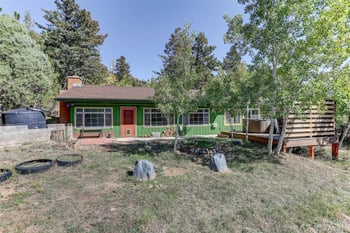
What does a home in Conifer cost? Median $815K, $357 a square foot, 109 Conifer homes for sale now from $90K to $8.75M. 109 of them have no HOA. Call or text 303-955-4220. A live person answers.
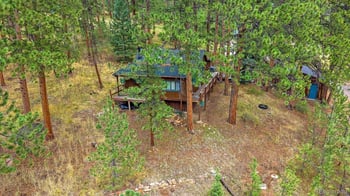
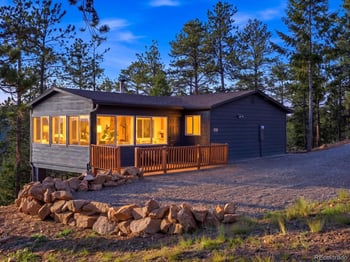

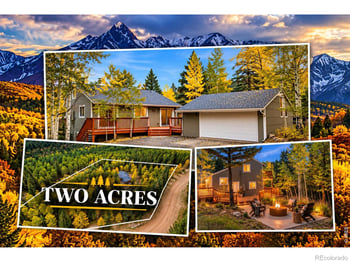
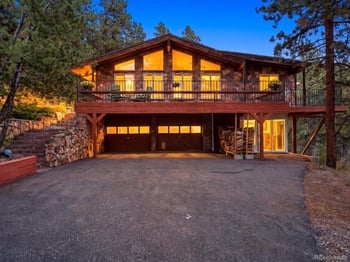
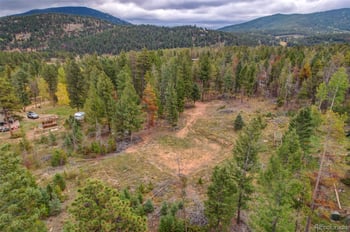
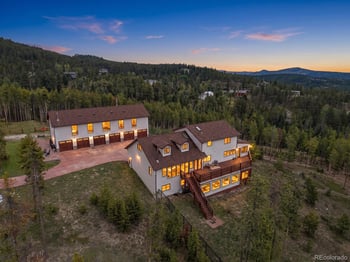
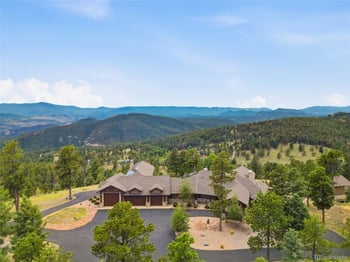



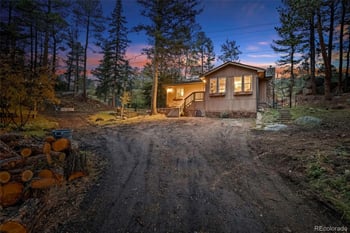
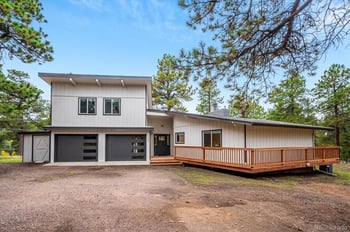
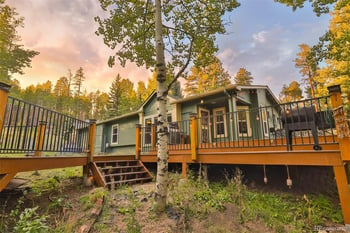
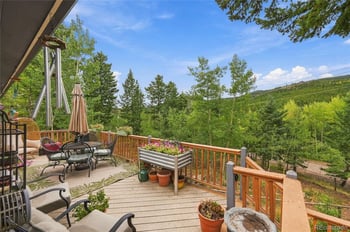


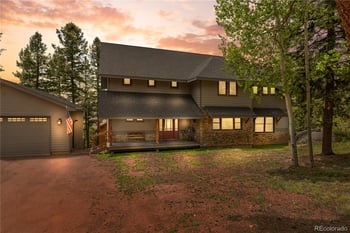
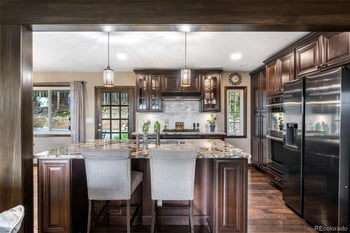


Three numbers frame a Conifer purchase: the median list price ($815K), the price per square foot ($357) and the HOA, which 100 percent of Conifer listings do not have. 109 Conifer homes are for sale today from $90K to $8.75M, and 28 lots and parcels sit alongside them. Everything below comes straight from this week's listings.
Conifer is a single-family market; condos and townhomes are 0 of the 109 listings. 28 lots and land parcels are listed separately.
$357 per square foot at the median. Compare two Conifer homes on the per-foot number and the condition before the list price.
The 0 that do carry one run a median $0 a month, mostly townhomes and newer subdivisions.
New construction homes for sale in Colorado and every builder's incentive.
109 houses this week, $90K to $8.75M, median about $815K, plus 28 lots and land listings. The grid at the top of this page is the live MLS list and refreshes daily.
Most do not: 109 of 109 listings have no HOA. The 0 that do run a median $0 a month, mainly townhomes and newer subdivisions. More: HOA fees in Colorado, explained.
Few: 0 of 109 listings this week. Conifer is a single-family market; the nearby cities in the table above carry more attached homes. More: luxury Townhomes and Condos in Denver.
$815K at list this week, for a median 2,456 square feet, which is $357 a square foot. The price-band chart above shows how the 109 listings spread around that number.
109 competing listings, median $815K, $357 a foot. A home priced inside the band where the most listings sit ($725K to $850K) meets the most buyers. What is my Conifer home worth? and why a Colorado house is not selling.
The price per square foot against the other listings in the same ZIP ($357 is the Conifer median), the days on market, the HOA or metro district if there is one, the sewer line and roof age on older homes, and whether the seller pays a closing-cost credit or a rate buydown. Seller concessions for Colorado buyers shows what to ask for.
Text CONIFER and your price range to 303-955-4220. A live person answers, sets up the saved search and sends the disclosures on any home you want to see.