New - Just Now

.jpg)


A bad smell in a Colorado home points to one of four sources most of the time: a septic system, sewer gas, rodents, or moisture, and each one has a different fix and a different urgency. Here's how to tell them apart before you call the wrong specialist.
A rotten-egg smell around a septic system, inside or outside the house, means the tank's contents have turned acidic enough to kill the microbes that normally break down waste, which happens when a tank is overdue for pumping. This is a job for a licensed septic specialist, not a plumber, since it involves pumping and inspecting the tank and drain field rather than clearing a pipe.
Septic systems are common on rural and mountain-adjacent properties across Elbert, Douglas, Weld, and Jefferson counties, and on many older properties on the edge of Denver metro that were built before municipal sewer lines reached them. A property with a septic system needs its own maintenance schedule and its own line item in a home inspection, separate from the standard plumbing inspection.
Colorado does not require a radon test by state law, but Denver-area home inspectors routinely offer one as an add-on, and many buyers request it given the higher radon zones mapped across the Front Range. A seller who has a recent test showing acceptable levels can use that as a selling point rather than an unknown.
No. Radon gas has no smell, color, or taste, which is exactly why testing matters instead of relying on your nose. If you notice a musty or earthy smell in a basement, that's a separate moisture or mold issue, not radon, and each needs its own test.
Spring snowmelt raises the water table temporarily across much of the Front Range, and a basement with marginal grading or an aging sump pump picks up dampness that shows up as a musty smell before it shows up as a visible leak. Check that downspouts extend at least four feet from the foundation and that the yard slopes away from the house as a first step.
Every drain has a P-trap that holds a small amount of water to block sewer gas from entering the home, and Colorado's dry air evaporates that water faster in a rarely used drain, such as a guest bathroom or a floor drain, than it would in a humid climate. Running water down an unused drain for a minute refills the trap and clears the smell in most cases, without a plumber.
As temperatures drop along the Front Range in fall, mice look for warmth and gaps around foundation vents, utility penetrations, and garage door seals are their most common entry points. A dead rodent inside a wall produces a strong odor of decay that can last for weeks, since removal requires opening the wall in many cases, rather than just setting traps.
A rotten-egg smell from a well tap points to hydrogen sulfide gas or sulfur-reducing bacteria in the water or water heater in most cases, and it's common on private wells across rural Front Range and mountain properties. A water treatment specialist can test for the specific cause, since the fix, chlorination, an aeration system, or a water heater anode rod replacement, depends on the source.
Routine pumping runs $300 to $600 depending on tank size and access, and most Front Range septic specialists recommend pumping every three to five years depending on household size and tank capacity. Skipping this maintenance is what leads to the acidic, rotten-egg smell that signals a tank in overflow.
Yes. Colorado's standard seller property disclosure form asks directly about the septic system's condition, age, and any known problems, and a seller who knows about a failing system has to disclose it. Getting the tank inspected and pumped before listing avoids a disclosure problem and an inspection surprise later.
Ask for the system's age, the date of the last pumping, the county permit record, and whether the drain field has ever failed or been replaced. A septic inspection separate from the general home inspection is worth the cost on any rural or mountain-adjacent Colorado property, since a failed drain field can run into five figures to replace.
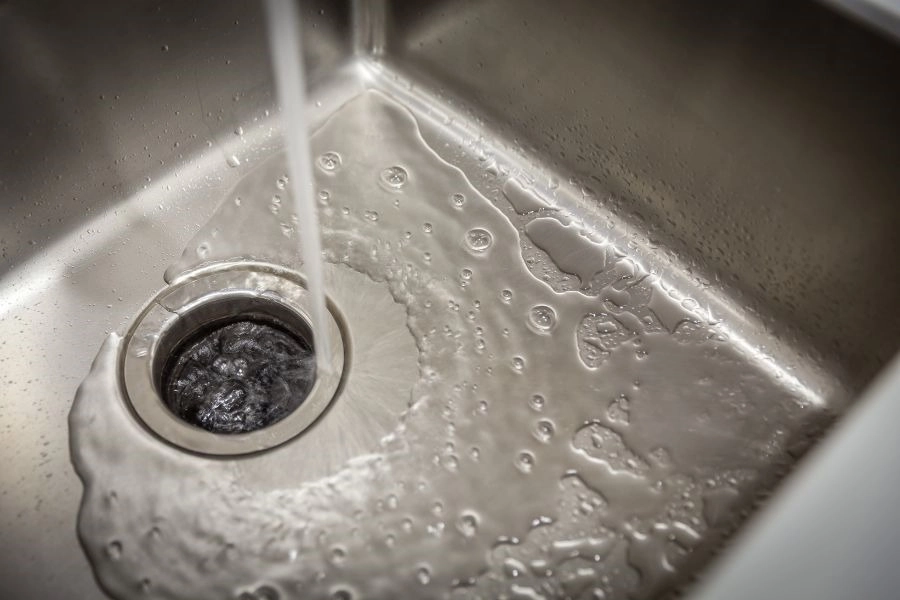
Food particles trapped under the splash guard and in the grinding chamber rot and produce odor faster than most people expect, since the disposal only clears what passes through, not what sticks to the sides. Run cold water with the disposal for a full 15 seconds after each use, grind a few ice cubes with citrus peel weekly to scrub the chamber, and pour a baking soda and vinegar mix down the drain monthly for a deeper clean. A disposal that still smells after a thorough cleaning has a worn seal letting waste collect below the unit in many cases, which calls for a plumber to replace it.
Colorado's dry climate slows visible mold growth compared to a humid state, which means a musty smell shows up before the mold itself is easy to spot. Check under sinks, in crawl spaces, around bathroom exhaust fans, and behind furniture against exterior walls first, since these stay damp longest even in a dry climate. If you can smell mold but can't find it, a moisture meter or a mold inspector can locate it inside a wall cavity before it becomes a bigger repair.
Counties including Douglas, Elbert, Weld, and Jefferson regulate septic systems through their environmental health departments, requiring a permit for new systems, an inspection at the time of a property transfer in many jurisdictions, and periodic use-and-maintenance reports on larger systems. Rules differ enough between counties that a system compliant in one county does not automatically meet the standard in another, so check with the specific county's environmental health office rather than assuming statewide rules apply everywhere on the Front Range.
The Kenna Real Estate Group helps Front Range sellers get ahead of septic, radon, and moisture questions before they become inspection surprises. Call or text 303-955-4220. A live person answers. Not a robot, not a phone tree. Ready to see what's on the market? Search every home for sale in Colorado.
Questions about any home in Colorado? Call or text 303-955-4220. A live person answers.
It means the tank's contents have turned acidic enough to kill the microbes that break down waste, most commonly because the tank is overdue for pumping. Call a licensed septic specialist rather than a plumber.
No. Radon is colorless and odorless, which is why testing matters. A musty or earthy basement smell is a separate moisture or mold issue and needs its own test.
Dry air evaporates the small water seal in that drain's P-trap faster than in a humid climate. Running water down the drain for a minute refills the trap and clears the smell in most cases.
Mice move indoors as Front Range temperatures drop, entering through gaps around foundation vents and utility lines. A dead rodent in a wall can take weeks to fully clear and sometimes needs the wall opened.
Most Front Range septic specialists recommend every three to five years depending on household size and tank capacity. Routine pumping costs $300 to $600.
Yes. Colorado's standard seller property disclosure form asks directly about septic system condition and known issues, and a seller aware of a problem has to disclose it.
Hydrogen sulfide gas or sulfur-reducing bacteria in the water or water heater, common on private wells across rural Front Range and mountain properties. A water treatment specialist can identify the exact source and fix.
Yes. A musty basement smell after spring snowmelt is a common early sign of marginal grading or a struggling sump pump before any water becomes visible. Check downspout extensions and yard slope first.