New - 30 Mins Ago

.jpg)


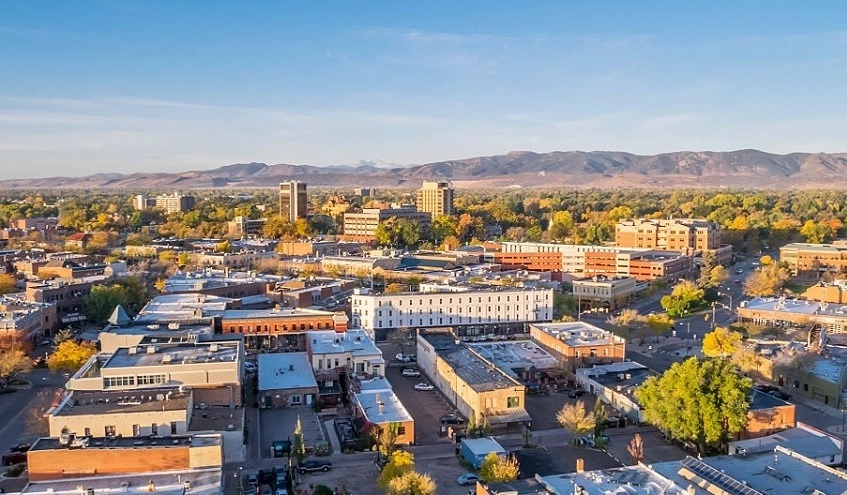
A shorter commute buys back hours every week and consistently ranks as one of the factors Front Range buyers weigh alongside price and square footage, but it's a trade-off, not a rule: a 15-minute shorter drive costs more per square foot in most cases the closer you get to downtown Denver or the Denver Tech Center. Here's how to weigh it against everything else on your list.
Cutting a daily round-trip commute from 60 minutes to 30 minutes gives back roughly 125 hours a year, more than three standard work weeks. Beyond the time itself, a shorter commute cuts the stress and physical toll of daily driving in stop-and-go traffic, and it reduces the fuel and vehicle maintenance cost that comes with high annual mileage. None of that shows up on a listing sheet, which is exactly why it's worth calculating before you fall for a house 40 minutes from your office.
On the Front Range, price per square foot drops as commute distance from downtown Denver or the Denver Tech Center increases. A first-ring suburb like Wheat Ridge, Edgewater or Englewood keeps most commutes under 25 minutes at a higher price per square foot. Master-planned communities in Highlands Ranch, Castle Rock and Parker run 30 to 45 minutes to downtown outside rush hour, at a lower price per square foot and more house for the money. Outer towns like Erie, Frederick and Windsor push commute times past 45 minutes for the lowest price per square foot on the Front Range. There's no universally correct answer here; it comes down to whether an extra bedroom or a shorter drive matters more to your actual week.
Drive or map the actual route at the actual time you'd commute, not a midday estimate. Front Range traffic on I-25, C-470 and US-36 varies enormously between 7:30 a.m. and 10 a.m., and a 20-minute midday drive can run 45 minutes during evening rush hour on the same corridor. Check the route on both a clear day and, if possible, after a winter storm, since snow and ice slow Front Range commutes further than in a milder climate. Our Denver Commute Guide and guide to Denver's worst traffic corridors map the specific routes worth checking before you commit to a neighborhood.
Yes, for buyers who work near a station. RTD light rail reaches Highlands Ranch, Lone Tree, Littleton, Lakewood, Aurora and several other Front Range suburbs directly, which removes the traffic variable from the commute entirely for a rider working downtown or near the Denver Tech Center. A home within a half-mile of a station, can offer a suburb's price per square foot with something closer to a downtown commute's reliability. Our guide to the light rail commute from Lone Tree covers this trade-off in detail.
If your job allows two or three days a week from home, the daily cost of a longer commute drops proportionally, and it's worth running the math on a larger home farther out against a smaller one close in. A buyer commuting downtown twice a week absorbs a 45-minute drive far more easily than someone doing it five days a week. Confirm your employer's actual policy, not an assumption about it, before betting a home purchase on a hybrid schedule holding steady.
Neighborhoods just outside Denver's core, parts of Lakewood, Wheat Ridge, Englewood and Aurora near a light rail line, tend to offer the strongest balance of commute time and price per square foot on the Front Range. Centennial's commute into the Denver Tech Center is short relative to its price point for buyers whose workplace sits in that corridor rather than downtown. Our Centennial commute to DTC guide and best Denver neighborhoods for commuting downtown break down specific areas by workplace destination.
At an average of roughly 35 mph on a mixed surface-street and highway commute, an extra 10 miles each way adds close to 30 minutes to a round trip, or about 125 hours a year at 250 working days. At current per-mile vehicle cost estimates (fuel, maintenance and depreciation combined), 20 extra miles a day also adds somewhere in the range of $1,500 to $2,500 a year in direct vehicle cost, on top of the time itself. Run this math against the price difference between two specific homes rather than relying on a general rule of thumb, since the actual trade-off changes by corridor and by how much of the drive is highway versus surface streets.
From Highlands Ranch, downtown Denver runs 30 to 40 minutes outside rush hour via C-470 and I-25, and can stretch to 50 minutes or more during evening traffic. Castle Rock and Parker sit farther south along I-25 and C-470, adding 10 to 20 minutes to the same downtown trip, though both are considerably closer to the Denver Tech Center, commonly 20 to 30 minutes, which matters more for a buyer whose job sits in that corridor rather than downtown. Our South Highlands Ranch Living guide and Highlands Ranch commute breakdown cover both corridors in more detail.
I-25 through the Denver metro carries some of the heaviest daily traffic volume on the Front Range, and the corridor between downtown and the Denver Tech Center backs up predictably on weekday mornings and evenings. C-470 and E-470 carry heavy commuter volume from the southern suburbs and add toll costs on E-470 that are worth factoring into the true cost of a longer commute, not just the drive time. Checking a specific route at your actual commute hours, rather than relying on a corridor's general reputation, is the only reliable way to know what a given home's commute really looks like day to day.
Commute time is one of the search filters buyers set before they ever view a listing, alongside price and bedroom count, which means homes in a strong commute location draw a wider buyer pool. That translates into steadier demand rather than a promised price premium on its own; a home's commute location matters most in combination with its price and condition, not as an isolated line item on an appraisal.
The Kenna Real Estate Group helps Front Range buyers weigh commute time against price and space based on where they actually work, not a generic ranking. Call or text 303-955-4220. A live person answers. Not a robot, not a phone tree. Or start your search now at search every home for sale in Colorado.
Questions about any home in Colorado? Call or text 303-955-4220. A live person answers.
Cutting a daily round-trip commute from 60 to 30 minutes gives back roughly 125 hours a year, more than three standard work weeks, plus the reduced fuel and maintenance cost of fewer annual miles.
Yes, for buyers who work near a station. Light rail reaches Highlands Ranch, Lone Tree, Littleton, Lakewood and Aurora directly, which removes traffic variability for anyone commuting to a stop near their workplace.
There's no universal answer. A first-ring suburb keeps commutes under 25 minutes at a higher price per square foot, while Highlands Ranch, Castle Rock and Parker trade a 30- to 45-minute commute for more house for the money.
If you commute two or three days a week instead of five, the daily cost of a longer drive drops proportionally, which makes a larger home farther out a more realistic trade against a smaller one close in.
Yes. Snow and ice slow commutes on I-25, C-470 and US-36 well beyond their clear-day drive time, so check a target commute route after a winter storm, not just on a clear afternoon.
Commute time is one of the filters buyers set before viewing listings, which widens the buyer pool for a well-located home. It supports steadier demand more than it promise a specific price premium on its own.


