.jpg)


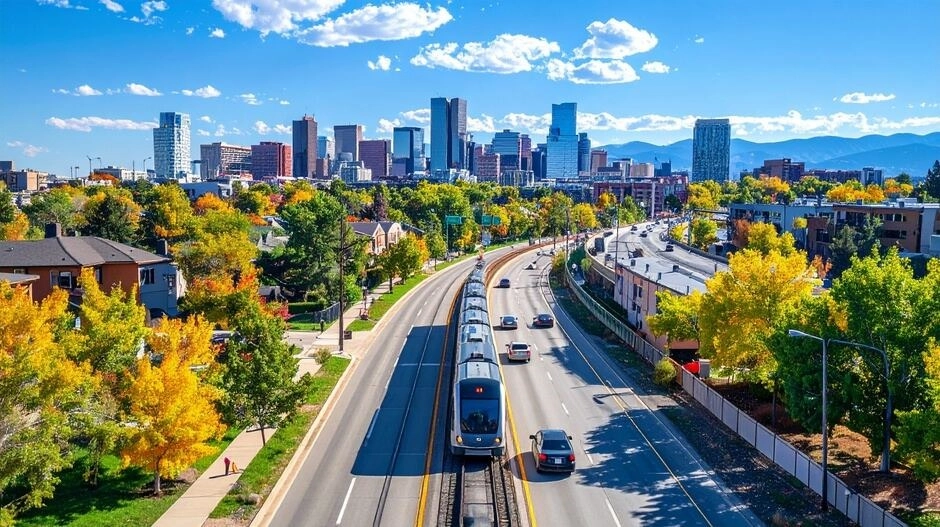
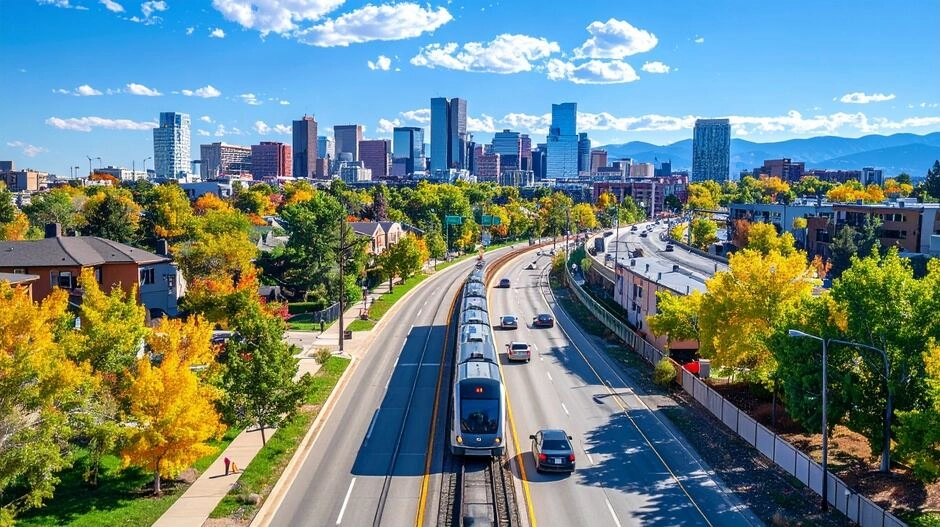 Denver has changed fast over the last decade. Tech, healthcare, and design firms have filled the city core and nearby business parks. For anyone house-hunting here, commute rhythm isn’t a side note—it shapes where your mornings start, how long your evenings last, and which neighborhoods make daily life actually work.
As someone who’s helped dozens of clients relocate to the Front Range, I always map their drives before we ever step inside a showing. A few extra minutes on paper can mean a very different lifestyle once winter traffic or summer construction season hits. This guide blends local commute logic with neighborhood insight so you can find the right balance between work access and everyday comfort.
How Does Denver’s Traffic Really Flow?
Denver’s growth outpaced its original highway design, so understanding traffic flow saves both time and sanity. According to the Colorado Department of Transportation, the metro’s busiest choke points are consistent—predictable once you know them.
Key Highways & What to Expect
I-25: The north-south spine linking downtown with Highlands Ranch, Parker, and northern suburbs. Morning backups start near Broadway and Santa Fe interchanges; evenings stack up around the Tech Center exits.
I-70: Runs east–west to Denver International Airport and mountain towns. Expect slowdowns where it merges with I-25 and again near Colorado Boulevard during ski-season weekends.
I-225: The eastern loop connecting Aurora, Cherry Creek, and the Denver Tech Center. A reliable bypass if you time it before 7 a.m.
Rush-Hour Hotspots
- Downtown Denver core (7–9 a.m. / 4–6 p.m.)
- I-25 / I-70 interchange near Union Station
- Cherry Creek business corridor and DTC ramps
Everyday Survival Tips
- Leave 15–20 minutes early on Tuesdays and Thursdays—construction crews favor mid-week work windows.
- Use HOV lanes on I-25 when carpooling; fines are steep for solo misuse.
- Keep Waze or Google Maps live; both sync directly with CDOT travel data.
Local Insight: After a few months, most residents learn that Denver traffic is rarely random—it’s rhythmic. Once you know which on-ramps clog first, your commute becomes clockwork.
Is Public Transit a Practical Option?
The RTD – Regional Transportation District runs light-rail and bus lines that cover much of the metro. For some buyers, proximity to a rail stop adds more value than an extra garage bay.
Main Light-Rail Lines
- E, F, H & R Lines: Connect downtown with Littleton, Highlands Ranch, Aurora, and Lone Tree.
- D & L Lines: Serve north and southwest corridors through Englewood and Sheridan.
- A Line: Runs from Union Station to Denver International Airport—vital for frequent flyers.
Bus & Last-Mile Connections
- Express buses from Parker, Greenwood Village, and Cherry Hills Village to downtown.
- Feeder routes linking suburban neighborhoods to nearest stations.
- E-scooters and ride-shares fill the last mile around Union Station and Cherry Creek.
Pro Tip: Homes within a half-mile of a light-rail stop often retain higher long-term resale value thanks to predictable commute times.
Which Neighborhoods Offer the Best Commute-to-Lifestyle Balance?
LoDo – Lower Downtown
Commute Perks: Walk to major employers; Union Station next door. Lifestyle: Historic lofts, restaurants, nightlife. Trade-off: Limited parking and premium price per sq ft.
Cherry Creek
Commute Perks: Quick I-25 / I-225 access; short drive to downtown. Lifestyle: Upscale shopping, galleries, and suburban calm. Trade-off: Intersection congestion at peak hours.
Highlands Ranch
Commute Perks: 30–40 minutes via I-25 to downtown or 20 to DTC. Lifestyle: Planned communities, extensive trail system. Trade-off: Car-dependent; light-rail still several miles away.
Central Park (former Stapleton)
Commute Perks: Central Park Station gives a 25-minute rail ride to downtown; close to DIA. Lifestyle: Newer construction, parks, and town-center retail. Trade-off: Less historic character, quieter nightlife.
Capitol Hill & Uptown
Commute Perks: Walkable to downtown; frequent bus routes. Lifestyle: Victorian homes, arts venues, independent cafés. Trade-off: Older infrastructure and limited parking.
RiNo – River North Art District
Commute Perks: Minutes to downtown and Union Station. Lifestyle: Breweries, art warehouses, adaptive-reuse lofts. Trade-off: Ongoing construction noise and variable property values.
Where Are Denver’s Biggest Employer Hubs?
Major employment clusters shape commute patterns:
- Downtown Denver: Finance, startups, government, and law firms.
- Denver Tech Center (DTC): Telecom and healthcare giants along I-25 / Belleview Ave.
- RiNo & LoDo: Creative agencies, media, and hospitality.
- Aurora & Centennial: Aerospace, logistics, and the Anschutz Medical Campus.
Choosing a home near your work hub often outweighs square footage. A 20-minute commute from Greenwood Village can beat an hour-long drive from northern suburbs when winter storms roll in.
Planning a Realistic Commute
- Simulate Rush Hour: Use Google Maps at 7:30 a.m. to preview actual times.
- Test Alternatives: Parker Road and Quebec Street can rival I-25 during backups.
- Check Transit Frequency: RTD rail runs every 15 minutes during peaks—plan connections.
- Account for Parking: Downtown garages run $150–$250 monthly; factor that into housing costs.
- Plan for Growth: CDOT’s I-70 expansion will shift patterns through 2030.
How Commute Choices Affect Lifestyle & Home Value
Shorter drives free up time for family, fitness, and mountain weekends. Longer commutes can strain energy and resale appeal. Buyers balancing affordability with location often see value in inner-ring suburbs like Lakewood or Centennial—close enough for a 25-minute drive yet spacious enough for larger homes.
- A Highlands Ranch family trades a 40-minute drive for parks and bigger yards.
- A LoDo professional pays more per sq ft but gains back two hours a day of free time.
Either way, Denver’s real estate patterns track directly with commute convenience—proximity to rail, highway access, and predictable drive times remain among the city’s most consistent value drivers.
Kenna Real Estate Group – Local Perspective That Moves with Traffic
This guide is brought to you by Kenna Real Estate Group, longtime Front Range experts who pair housing knowledge with on-the-ground commute insight. With two decades of experience across Denver, Highlands Ranch, and the Tech Center, our agents help buyers weigh not just the house, but the drive that comes with it.
For personalized route mapping, neighborhood comparisons, or a tour near your work corridor, visit KennaRealEstate.com.
View Commute Friendly Homes for Sale in Denver
FAQ: Navigating Denver Commutes
Q1: Which Denver neighborhoods offer the shortest commutes to downtown?
A: Neighborhoods like LoDo, Capitol Hill, Uptown, and RiNo give the quickest access—most residents walk, bike, or hop on light rail from Union Station. These areas trade square footage for convenience and vibrant, city-centered living.
Q2: Is light rail reliable for daily commutes to suburban job centers?
A: Yes. The E, F, and H lines run consistently between downtown, Denver Tech Center, and Lone Tree. For professionals in Aurora or Centennial, pairing light rail with short local drives often beats I-25 traffic time.
Q3: Where are Denver’s biggest traffic pinch points?
A: Expect backups on I-25 through the Broadway and Santa Fe interchanges, I-70 near downtown merges, and arterial roads into Cherry Creek. During snow season, even small delays compound quickly around DTC exits.
Q4: Are suburban neighborhoods worth a longer drive?
A: Often, yes. Buyers in Highlands Ranch, Parker, or Centennial value larger homes and community amenities more than the time lost in traffic. With staggered work hours or hybrid schedules, the trade-off feels minor compared to lifestyle gains.
Q5: Can biking or public transit replace car commuting in Denver?
A: In central neighborhoods—LoDo, RiNo, Capitol Hill, and Cherry Creek—many residents do exactly that. The city’s expanding bike-lane grid and RTD network make car-free living realistic for downtown workers, though outer suburbs still rely heavily on cars for daily errands.
Q6: How does commute convenience affect Denver real estate value?
A: Properties near major highways or light-rail stations often hold stronger resale appeal. Buyers consistently favor predictable travel times, making commute-friendly homes across Denver’s core and first-ring suburbs some of the most resilient in the market.