New - 6 Hours Ago
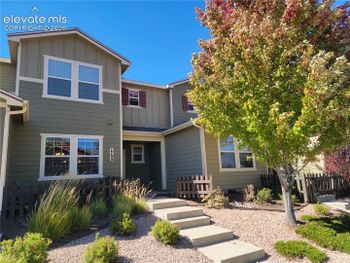
$359,900
Coming Soon
3
Beds
3
Baths
1363
Sqft
0.0469
Acres
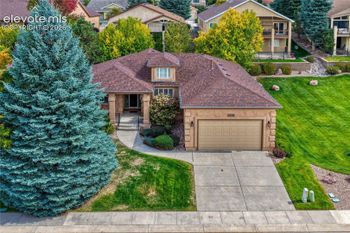
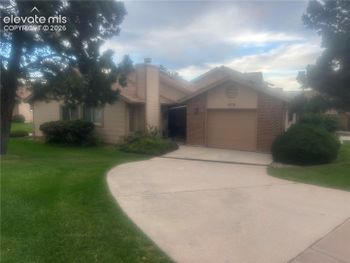
1799 Portland Gold Dr, Colorado Springs, CO 80905
MLS#: 8973049
.jpg)



Five problems push Colorado homeowners to sell before they planned to: foundation movement on expansive clay, water damage and sewer backups, fire damage and the insurance bills that follow it, pest damage, and a location under a flight path or next to a highway. Each one has a known repair cost on the Front Range, a disclosure rule, and a buyer pool. This page gives you all three so you decide with numbers instead of stress.
The Kenna Real Estate Group sells homes with every one of these issues across the Denver metro, Colorado Springs, Fort Collins, and Greeley. Some get repaired first. Some sell as-is to an investor. The math below shows which path pays more.
A job transfer or a downsizing move is the normal reason to list. The five issues on this page are different: the house itself forces the decision. Across the Front Range, the same five come up on the Colorado Seller's Property Disclosure again and again.
Most homes from Fort Collins to Colorado Springs sit on bentonite clay. The Colorado Geological Survey maps it as one of the state's most widespread hazards. A dry summer followed by a wet spring moves the soil an inch or more, and the house moves with it. Hairline cracks are normal. Stair-step cracks in block walls, doors that stick every spring, and a basement floor that heaves at the center are not.
Repair costs on the Front Range fall into three tiers:
The rule: repair when the fix costs less than 10% of the home's value and comes with a transferable warranty from a licensed Colorado foundation contractor. Sell as-is when the engineer's letter calls for structural replacement. Our guide on whether a foundation crack means a structural problem in a Denver-area home shows the crack types buyers walk away from.
Yes. The Colorado Real Estate Commission's Seller's Property Disclosure asks the seller directly about structural problems, settling, water intrusion, mold, fire damage, pests, and roof condition. Colorado licensed brokers are required by the Division of Real Estate to disclose known adverse material facts to buyers. Hiding a repair does not work: the buyer's inspector finds the piers, pulls the permit history from the city, and the sale falls apart at the inspection objection deadline.
Disclose everything, attach the engineer's report and the repair warranty, and price the house on what a buyer pays for a known, documented condition. Buyers pay more for a repaired and disclosed foundation than for a mystery.
Colorado's water problems come from below and beside the house, not from the sky. Clay pipe sewer lines under homes built before 1980 in Denver, Lakewood, Arvada, and Englewood crack from root intrusion and soil movement. Sump pumps fail during spring snowmelt. Downspouts dumping at the foundation on clay soil push water straight into a finished basement.
Front Range costs a seller faces:
Homeowner insurance in Colorado excludes sewer backup unless you bought the rider, so most owners pay out of pocket. When the total climbs past $25,000 and the basement was your living space, selling to a buyer who wants an unfinished basement at a discount beats financing the repair. Two related reads: water damage in a Denver home from floods and heavy rain and the hidden water damage signs Colorado buyers check before closing, which is exactly what their inspector looks for in your house.
A kitchen or electrical fire that insurance covers gets rebuilt. The owners who sell are the ones with a coverage gap: a policy written on 2015 rebuild costs when Front Range construction now runs $250 to $400 per square foot, or a fire in a detached garage or outbuilding the policy capped at 10% of the dwelling limit.
The second driver is the insurance market itself. After the Marshall Fire, carriers repriced or dropped homes in the wildland-urban interface from Boulder County down through Evergreen, Conifer, Castle Pines, and the Black Forest north of Colorado Springs. Premiums of $4,000 to $8,000 a year, non-renewals, and a move to the Colorado FAIR Plan (the state's insurer of last resort) push owners on fixed incomes to sell and move down to the plains. The Colorado Division of Insurance publishes the rules carriers follow; the buyer's lender requires a bound policy before closing, so an uninsurable home only sells for cash.
A fire-damaged shell in the Denver metro still sells. Builders and fix-and-flip investors buy for the lot and the utility connections, at land value minus demolition, which runs $15,000 to $35,000 for a single-family home. See our post on why Denver home insurance costs keep rising and what to do before you decide.
Colorado's dry air and 5,280-foot elevation keep termites rare. The damage here comes from mice moving in every October, voles tunneling through lawns, carpenter ants in wet deck framing, yellowjacket nests in soffits, raccoons and squirrels in attics, and miller moths in late spring. Ips beetles and the emerald ash borer kill the trees, not the house, but a dead 60-foot cottonwood over the roof costs $1,500 to $4,000 to remove.
Repair and exclusion costs stay low compared with the other four issues: $500 to $2,000 for rodent exclusion, $300 to $800 for an ant treatment, $400 to $1,500 for wildlife removal, and $2,000 to $8,000 to replace chewed attic insulation and wiring. Pests force a sale only when the owner is done managing a rural or foothills property. Our seasonal breakdown of the pest risks Colorado homes face in every season lists what buyers' inspectors flag.
It lowers the price 3% to 10% against the same house two miles away, and it lengthens days on market. It does not stop the sale. Buyers who commute to DIA or Buckley Space Force Base pay for Green Valley Ranch, Aurora, and Brighton because the drive is short. Buyers priced out of central Denver pay for Elyria-Swansea and Globeville next to I-70 because the lot is $150,000 cheaper.
The fix is pricing and honesty, not landscaping. List the noise in the disclosure, price against sold comps on the same side of the airport or highway, and market the commute. The Kenna Real Estate Group pulls those comps in a Smart Pricing Report so the price reflects the block, not the ZIP code average.
| Issue | Front Range repair cost | Repair first when | Sell as-is when |
|---|---|---|---|
| Foundation | $15,000 to $45,000 (piers) | Fix is under 10% of value, warranty transfers | Engineer calls for structural replacement |
| Water and sewer | $6,000 to $30,000 | Source is grading, gutters, or one pipe | Finished basement is a total loss and uninsured |
| Fire | $250 to $400 per sq ft rebuilt | Insurance covers the rebuild | Coverage gap over $50,000, or home is uninsurable |
| Pests | $500 to $8,000 | Almost always | Rural property you no longer want to manage |
| Location | $0 | Never; price it instead | Not an as-is issue |
Repaired homes sell to the full retail buyer pool with a mortgage. As-is homes sell to cash buyers who subtract the repair cost, a profit margin of 10% to 20%, and holding costs. That gap is the price of speed. Our page on preparing and adding value before selling ranks which repairs return more than they cost on Front Range homes.
Three buyer groups, in order of the price they pay:
The Kenna Real Estate Group markets the home to all three at once and compares the net proceeds side by side. Read when selling to a Denver cash home buyer makes sense and our Denver cash home buyers and fast sale choices page for the numbers on a cash sale.
Every Colorado county sits in EPA Radon Zone 1, the highest-risk category. A buyer's radon test above 4.0 pCi/L triggers a mitigation request; a mitigation system costs $1,200 to $2,500 and takes one day. Radon never forces a sale, but it comes up in 1 out of every 2 Denver-metro inspections. The Colorado Department of Public Health and Environment publishes test guidance at cdphe.colorado.gov/radon.
Hail is the bigger one. The Front Range from Colorado Springs to Fort Collins takes more hail claims than almost anywhere in the country, with the season running May to September. A roof denied by insurance or an owner who took the claim check and never replaced the roof faces a $15,000 to $30,000 bill on a 2,000-square-foot home, and no lender closes on a roof with active leaks. Class 4 impact-resistant shingles earn insurance discounts and settle the buyer's objection before it starts.
We price the house with the problem, bring in the engineer, the sewer camera, or the insurance adjuster before the buyer does, and show you the net proceeds from a repair-first sale next to an as-is cash sale. Call or text 303-955-4220. A live person answers. Not a robot, not a phone tree. When the next home is part of the plan, search every home for sale in Colorado.
Questions about any home in Colorado? Call or text 303-955-4220. A live person answers.
Sewer line defects and foundation movement lead on Front Range inspection objections. A $150 to $300 sewer scope and an engineer's letter, ordered before listing, remove both surprises.
Push piers and helical piers run $1,500 to $3,500 each, and most Denver-metro jobs use 8 to 20 piers, so plan on $15,000 to $45,000 with a transferable warranty.
No. FHA, VA, and conventional lenders require a roof with no active leaks and remaining life. Replace it with Class 4 impact-resistant shingles, $15,000 to $30,000 on a 2,000-square-foot home, or sell to a cash buyer.
No law requires the seller to test, but every Colorado county is in EPA Radon Zone 1 and most buyers test during inspection. Mitigation costs $1,200 to $2,500 and settles the objection.
Denver-metro fix-and-flip buyers price at 70% to 80% of the after-repair value, then subtract the repair estimate. The trade is a 10 to 21 day close with no inspection contingency.
Yes, to a cash buyer or to a buyer who secures coverage through the Colorado FAIR Plan before closing. A mortgage lender will not fund without a bound policy, so line up coverage before listing.
Airport and highway noise are not line items on the Seller's Property Disclosure, but a listing broker discloses any known adverse material fact. State it, price against same-side comps, and market the commute.