New - 30 Mins Ago

.jpg)


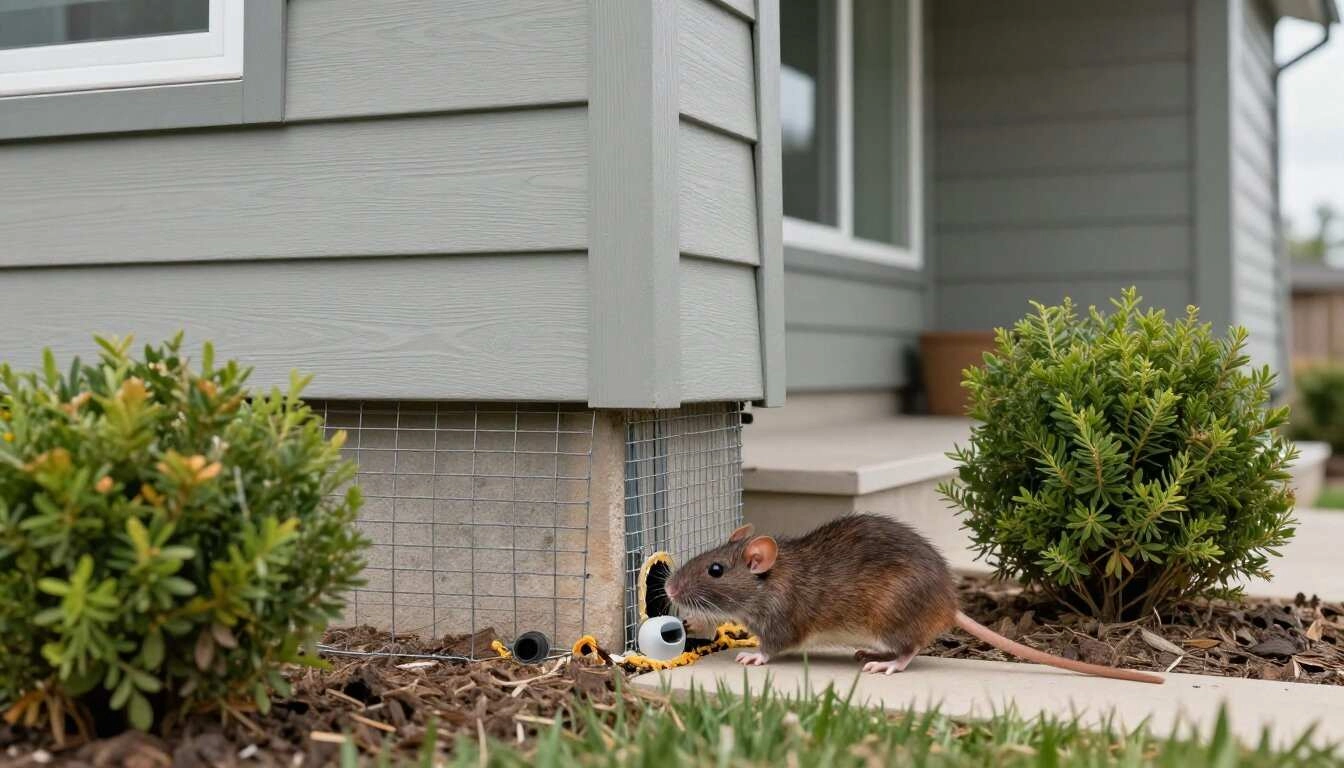
Colorado's fall temperature drop is when rodents move indoors looking for warmth, and a foundation with even a quarter-inch gap is an open door. Sealing ground-level openings, roof vents, and food sources before the weather turns is the fastest way to keep a single mouse or rat from becoming a wall-void infestation.
Once nighttime temperatures drop, rats and mice move from yards and open space toward any warm, dry structure nearby, including homes backing up to greenbelts, foothills, or open space common across the Front Range. A single breeding pair inside a wall cavity can expand into a serious infestation within months, so the entry points matter more than the traps.
Colorado has documented cases of hantavirus linked to deer mice droppings, a risk tracked by the Colorado Department of Public Health and Environment, especially in homes near open space, foothills, or vacant lots. Never sweep or vacuum dry rodent droppings; wet them down with a disinfectant first and wear gloves, since disturbing dry droppings can release airborne particles.
Walk the full exterior and inspect where electrical, gas, and plumbing lines enter the house. Builders routinely leave small gaps around these penetrations, and Colorado's expansive clay soil widens hairline foundation cracks over time as it swells and shrinks with moisture, giving rodents a new path in almost every year. Skip expanding foam and plastic mesh; a rat chews through both in minutes. Pack the opening with stainless steel wool, then seal it in place with exterior-grade silicone caulk.
Roof rats and squirrels climb tree branches, fences, and power lines to reach a roofline, then look for open soffit vents, loose ridge caps, or an uncapped plumbing vent stack. Cover attic vents with quarter-inch galvanized hardware cloth, and install a vent cap on any plumbing stack pipe that runs straight up through the roof; rats can travel down a smooth pipe and enter through a bathroom drain.
Cardboard cereal boxes, bagged flour, and pet food left in a garage are an easy target for a rodent's sense of smell. Move dry goods into glass, ceramic, or heavy metal containers with tight lids, and pick up any leftover pet food before bed instead of leaving a bowl out overnight.
Many of the same yard changes Colorado's wildfire defensible-space guidelines call for also remove rodent cover: keep grass cut short, move firewood at least 20 feet from the foundation, and trim tree limbs back at least six feet from the roofline so climbing rodents lose their jumping platform. If your property backs up to open space or foothills terrain, this dual-purpose yard work is worth doing every fall regardless of fire risk.
Poison bait can leave a rodent to decompose inside a wall cavity, and clearing the smell means cutting into drywall. A permanent barrier stops the problem at the entry point instead. Professional rodent exclusion work in the Denver metro, using stainless steel mesh and sealant at every crawlspace, weep hole, and vent, runs $400 to $1,200 depending on the size of the home and the number of openings.
Materials matter as much as labor. Rodent-control hardware built for exclusion work uses stainless steel and heavy-gauge mesh that a rat cannot chew through, unlike plastic foam or thin wire, which fails within days.
Deer mice and house mice leave smaller, pointed droppings and thinner gnaw marks than a rat, and they need far less of a gap to get inside, closer to the size of a pencil eraser than a quarter. Treat any mouse sighting the same way as a rat sighting: seal the entry point immediately rather than waiting to see if the problem grows, since mice reproduce faster and hide their nests deeper inside insulation and wall cavities.
Homes closer to the foothills and the urban-wildland interface, from Golden and Morrison to the western edges of Boulder and Jefferson County, deal with a different problem: pack rats, also called woodrats, which build large debris nests in garages, sheds, and engine compartments and chew through vehicle wiring for nesting material. Seal garage door bottoms with a tight weather strip, store firewood off the ground, and check under the hood of any vehicle parked for more than a few days near open space.
During a walkthrough, look for gnaw marks around cabinet bases, droppings in the garage or crawlspace, and grease trails along baseboards. A pest inspection is not part of a standard Colorado home inspection, so ask for one separately if the home has an unfinished basement, crawlspace, or sits near open space; the Colorado home buyer's guide covers which inspections are worth adding beyond the standard one.
A home built before 1990 across much of the Front Range was framed before builders widely used steel mesh or foam-and-mesh combinations at utility penetrations, which leaves more gaps for a seller's exclusion work to catch up on. Expansive bentonite clay soil, common across the Denver metro, shifts with the seasons and can pull a slab or foundation wall apart by a fraction of an inch a year, enough to open a new gap even in a well-sealed home. Add a rodent and foundation check to your annual home maintenance walk-through, not just a one-time move-in task.
A full exclusion job runs $400 to $1,200. Left unaddressed, an established rat colony can chew through wiring insulation, insulation batting, and even PEX plumbing lines, and an electrician called out for rodent-damaged wiring routinely bills more than the entire exclusion project would have cost. Treat the upfront sealing work as cheaper insurance against a far larger repair bill later, and if you're weighing this against a full list of pre-listing projects, see how to sell a house in Colorado for where exclusion work ranks against paint, flooring, and other repairs.
Late September through October is the highest-value window to seal a Front Range home, ahead of the first hard freeze that pushes rodents indoors in numbers. Waiting until December means sealing gaps a litter of mice or a breeding pair of rats has already used to move in, which turns a straightforward exclusion job into an exclusion job plus a trapping program. Put the flashlight walk-around on the calendar the same weekend you switch out summer patio furniture, or add it to the checklist if you're already working through a rental property checklist for a Colorado investment property.
Walk the exterior with a flashlight and mark every opening larger than a dime. Pick up steel wool and exterior silicone caulk to seal the lower gaps. Move pet food into sealed containers today, and schedule the yard clearing before the first hard freeze. If you're selling this season, fold this list into your broader Colorado home seller's guide prep, since a buyer's inspector checks the same crawlspaces and vents.
Whether you're preparing a Colorado home to sell or checking a property before you buy, the Kenna Real Estate Group can point you toward inspectors and contractors who handle rodent exclusion as part of a full pre-listing or pre-purchase review. Call or text 303-955-4220. A live person answers. Not a robot, not a phone tree. Or search every home for sale in Colorado.
Questions about any home in Colorado? Call or text 303-955-4220. A live person answers.
Once nighttime temperatures drop, rodents move from open space and yards toward warm, dry structures, and any foundation gap the size of a quarter is enough of an opening.
Colorado has documented hantavirus cases linked to deer mice. Wet down dry droppings with disinfectant before cleanup and wear gloves rather than sweeping or vacuuming them directly.
Sealing every crawlspace, weep hole, and vent with stainless steel mesh runs $400 to $1,200, depending on the size of the home and the number of openings.
Yes. The soil swells and shrinks with moisture, which widens hairline foundation cracks over time and creates new entry points that weren't there when the home was built.
Rarely. Cats can catch an occasional mouse, but rats are large and defensive when cornered, and most cats avoid an established rat colony rather than hunting it.
Yes. Rats can travel up sewer lines and enter through a toilet or an uncapped plumbing vent stack. A vent cap and a check valve close that path.