New - 3 Hours Ago

$515,000
Coming Soon
4
Beds
3
Baths
2188
Sqft
0.13
Acres
4444 Decatur Ave, Castle Rock, CO 80104
MLS#: 6223885
.jpg)


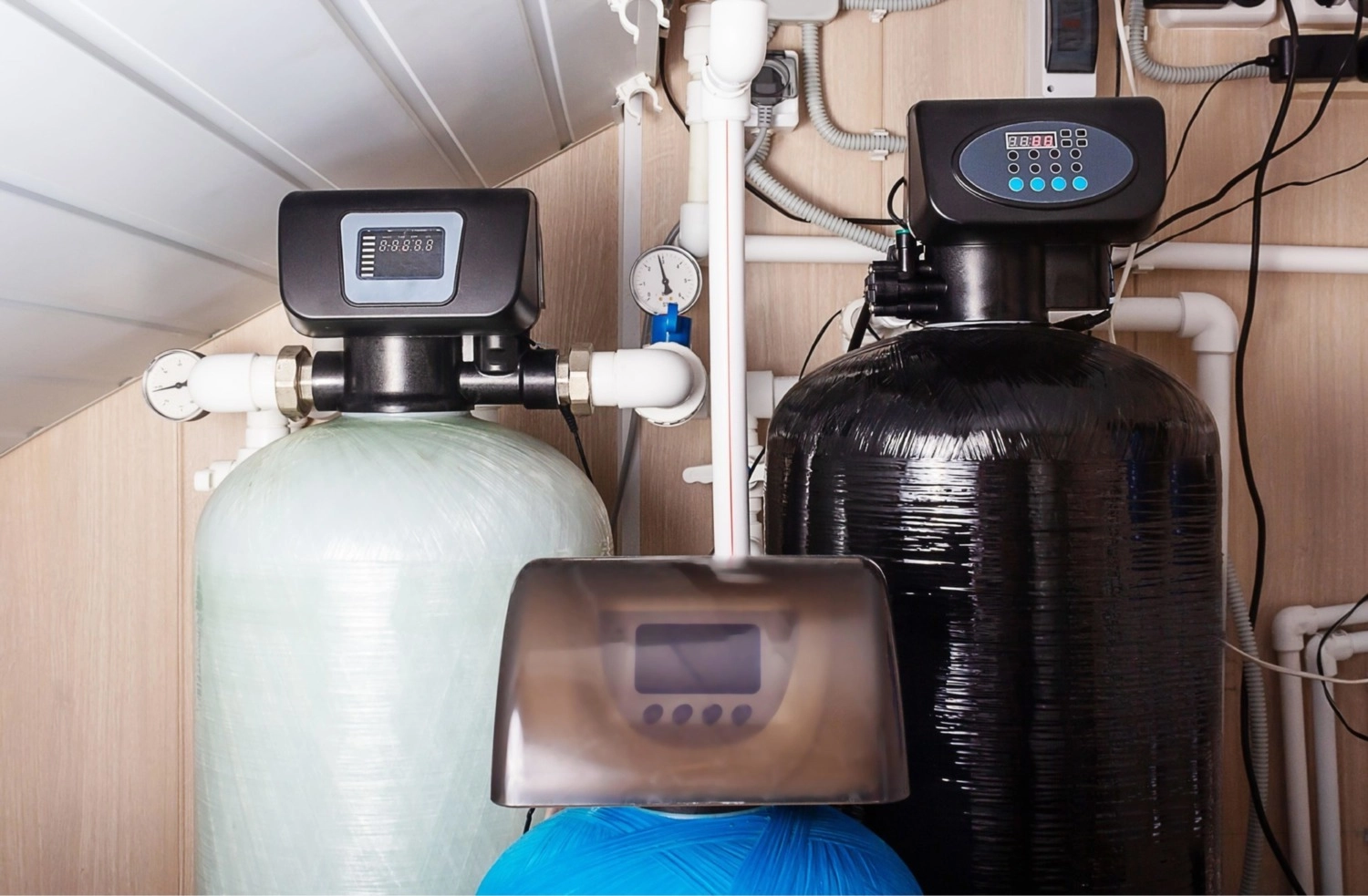
Front Range tap water runs from moderately hard to very hard, and the source determines which water softener setup fits a Colorado home. Denver Water delivers roughly 4 to 6 grains per gallon (gpg) of hardness across most of the metro area. Homes on well water in Douglas County, Elbert County and other communities that draw from the Denver Basin aquifers — Parker, Castle Rock, Franktown, Elizabeth — see readings of 15 to 25-plus gpg. That gap changes the size and cost of the system a house needs.
A water softener runs tap water through a resin bed charged with sodium or potassium ions. As hard water passes through, the resin exchanges calcium and magnesium for sodium or potassium, so the water reaching your faucets stops building scale. The system flushes the resin bed with a brine solution on a set schedule to recharge it, then sends the used brine down a drain line.
Denver Water publishes its hardness readings by treatment plant on its water quality report. Aurora Water, Colorado Springs Utilities and Douglas County-area well systems each test differently, so pull the report for your exact supplier before buying equipment. A home on a private well needs its own water test, since hardness on one lot can differ from the neighbor's lot even within the same subdivision.
Installed pricing depends on household size, hardness level and whether the plumbing needs rerouting. Here is what four common setups run in the Denver metro area.
| System type | Installed cost | Yearly salt or filter cost | Best fit |
|---|---|---|---|
| Salt-based ion exchange | $1,200 – $3,500 | $150 – $300 | Well water above 15 gpg |
| Salt-free conditioner | $1,500 – $4,000 | $100 – $200 (filter changes) | Septic systems and HOAs that restrict brine discharge |
| Dual-tank softener | $2,500 – $4,500 | $200 – $350 | Larger households that need soft water during regeneration |
| Softener plus iron/sulfur filter | $2,500 – $5,500 | $200 – $400 | Well water with iron or sulfur alongside hardness |
Most Front Range homes place the softener in the basement mechanical room or a main-floor utility closet, next to the water line entry point, because an unheated garage freezes hard enough in a Colorado winter to crack the tank and lines. If the garage is the only option, insulate the lines and the tank and run a heat-traced wrap on the coldest exterior wall. Plumbing code requires an air gap where the brine line ties into the drain.
Salt-based systems remove the most hardness and are the standard choice for well water above 15 gpg. Salt-free conditioners change the mineral structure so it will not stick to pipe walls, but they do not reduce the grain count the way a salt-based unit does. Rural properties on a septic system in Elbert or Douglas County, and some Front Range HOAs, restrict or ban brine discharge into the leach field or storm system — check the septic permit or HOA architectural guidelines before buying a salt-based unit. Softened water used for outdoor irrigation also carries sodium into the soil, which works against a xeriscape planted with low-water native species.
Some Front Range HOAs and metro districts limit where exterior equipment sits, require it to stay out of view from the street, or route drain discharge through a specific line rather than the storm system. Pull the HOA's architectural guidelines and the metro district's utility rules before scheduling an install, the same way you would before any exterior mechanical change.
Buyers looking in Elizabeth, Kiowa, Franktown, Larkspur and other well-water communities need a full water test before closing — hardness, iron, nitrates and coliform bacteria, not just a softener quote. A softener treats hardness only; it does not remove nitrates or bacteria, so a positive coliform result calls for a separate filtration or disinfection system.
Colorado landlord-tenant law does not require a rental to include a water softener. When a lease includes one, put the maintenance split in writing: the landlord owns and repairs the equipment, and the tenant restocks the salt or potassium unless the lease states otherwise.
Ask whether the unit is owned outright or tied to a rental or lease-to-own contract before you write an offer — a leased unit does not automatically convey and the lease payment can follow the seller, not the house. Request the last two years of salt or service receipts. Resin beds run 10 to 15 years before they need replacing, sooner on high-iron well water, so factor that into your inspection notes.
Clean visible scale off faucets, shower doors and the dishwasher interior before listing photos go up. State in the seller disclosure whether the softener conveys with the home or the seller is removing it, and note the last time the resin was replaced if you know it. Addressing hard water damage before listing keeps it off a buyer's inspection objection list.
A water heater that fails early, scale-clogged fixtures and higher detergent use all show up as line items a buyer's inspector will flag. Softening the water before you list, or crediting a buyer for a system at closing, is a lower-cost fix than replacing a scale-damaged water heater during a contract.
Spring snowmelt raises sediment in surface water supplies and stresses a resin bed that has not been cleaned since fall, so schedule a resin cleaning and a fresh salt fill before hail season starts. Before the first hard freeze in late fall, check the brine tank level, test the water for hardness, and confirm the drain line has not cracked over the summer. Two checks a year — spring and fall — cover a typical Front Range household.
Whether you are budgeting for a water softener before you sell or checking well water quality before you buy, the Kenna Real Estate Group can point you to the right inspector and walk the numbers with you. Call or text 303-955-4220. A live person answers. Not a robot, not a phone tree. Ready to look at homes now? Search every home for sale in Colorado.
Questions about any home in Colorado? Call or text 303-955-4220. A live person answers.
Denver Water delivers roughly 4 to 6 grains per gallon across most of its service area, which counts as moderately hard. Aurora, Colorado Springs and well-water communities on the Denver Basin aquifers run higher, at 15 grains per gallon or more in many cases.
If you are on a Front Range well in Douglas, Elbert or Elizabeth-area aquifers, a softener protects your water heater and fixtures from heavy scale. On Denver Water or Aurora Water service, a softener is optional and mainly a comfort and appliance-life choice.
A standard salt-based system runs $1,200 to $3,500 installed, plus $150 to $300 a year in salt. Combination units that also treat iron or sulfur in well water run $2,500 to $5,500.
It is not recommended. Colorado winters freeze an unheated garage hard enough to crack the tank and lines. Most Front Range homes put the softener in the basement mechanical room or an insulated utility closet near the main water line.
Some Front Range HOAs and metro districts limit exterior equipment placement or specify how the drain line ties into the storm system. Check the architectural guidelines before you schedule the install.
State on the seller disclosure whether the softener conveys with the property or the seller is removing it, and note the resin's age if known, the same way you would disclose any other mechanical system.
No. A softener only removes hardness minerals. A positive coliform or nitrate result on a well water test calls for a separate filtration or disinfection system, not a softener.
Not automatically. Ask the seller whether the unit is owned or under a rental or lease-to-own contract before you write an offer, since a leased unit's payment can stay with the seller instead of transferring with the house.


