New - 5 Hours Ago

.jpg)


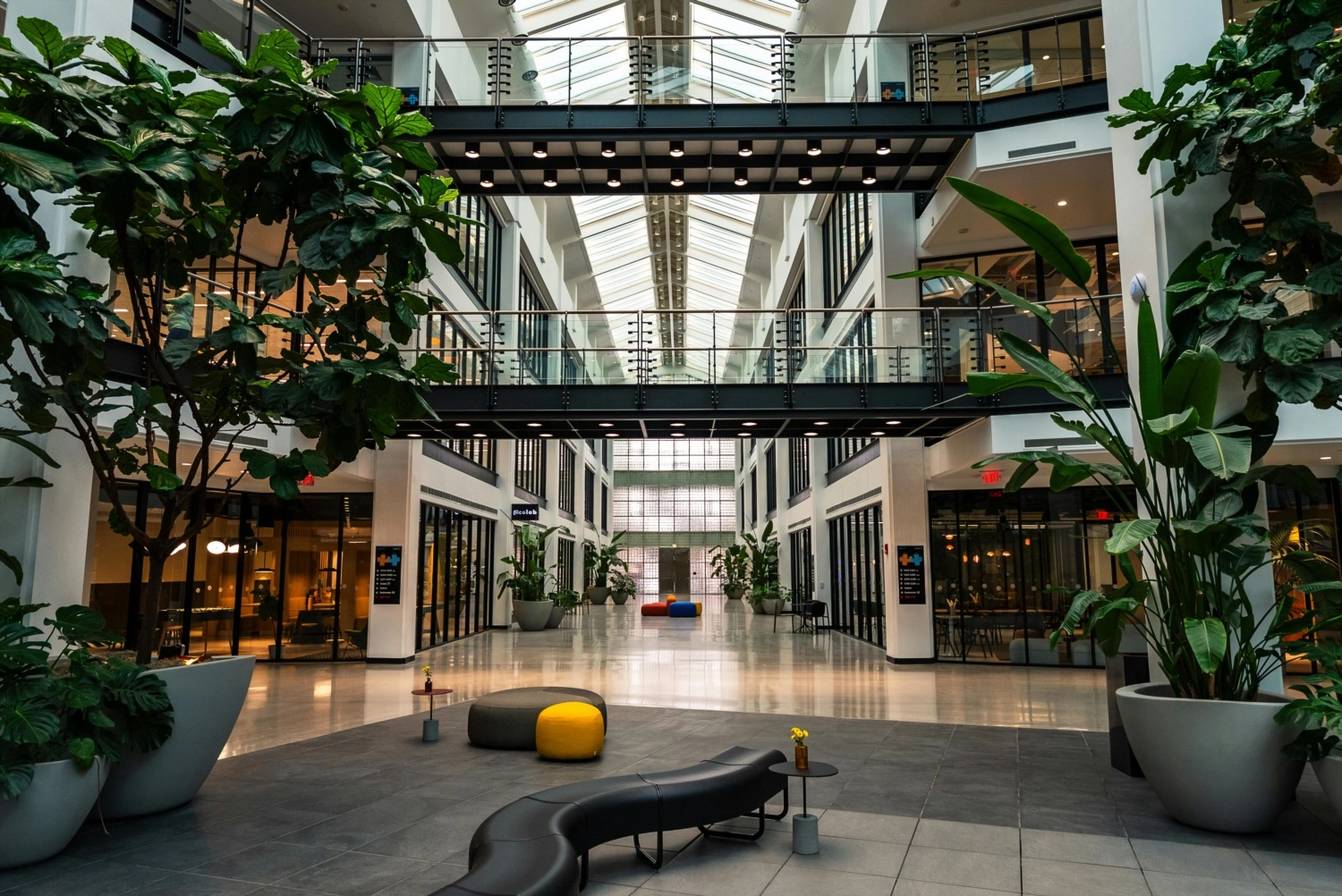
A dedicated home office is one of the most requested rooms among Front Range buyers working remote or hybrid schedules, and biophilic design, natural light, plants, natural materials and clean air, makes that room work harder for a homeowner's actual workday. Colorado's close to 300 days of sun a year gives most homes a head start most other markets do not have.
Biophilic design in a work space means positioning a desk near natural light instead of under fluorescent overhead lighting, adding plants and natural materials (wood, stone, wool) to the room, and connecting the space visually to the outdoors through a window or view. Commercial office planners have built entire practices around this; office space planning and design firms apply the same principles at commercial scale that work just as well in a spare bedroom converted to a Front Range home office.
A published research report found measurable links between exposure to natural light and greenery and improved cognitive performance and mood in work settings. Separately, U.S. workplace surveys have tracked declining engagement nationally, and physical environment is one factor workers cite consistently. A home office a person controls, unlike a shared commercial floor plan, gives Front Range remote workers a direct way to apply that research to their own space without waiting on a facilities budget or a building committee.
South- or east-facing rooms get the most consistent daylight through a Colorado workday without the harsh afternoon glare that west-facing rooms take. A spare bedroom, a converted loft, or a finished basement corner near an egress window all work; a windowless basement office needs full-spectrum LED lighting to make up for the missing daylight.
| Location | Natural light | Typical cost to set up |
|---|---|---|
| Spare bedroom, south-facing | Strong, consistent | $500 to $2,000 (furniture only) |
| Converted loft or landing | Good, depends on skylight | $1,000 to $3,000 |
| Finished basement with egress window | Limited; needs LED supplement | $3,000 to $12,000 if unfinished |
| Garage conversion | Low unless windows added | $8,000 to $25,000 with permits |
Cooler light in the 4000K to 5000K range during work hours supports alertness, closer to daylight, while warmer 2700K to 3000K light in the evening helps a home office transition back into a bedroom or guest room after hours. Full-spectrum LED desk lamps let a single room serve both purposes without a full rewire.
Wool rugs, wood shelving and fabric wall panels absorb sound better than hard flooring and bare walls, which matters in open-concept Front Range homes where a video call competes with the rest of the household. A rug under the desk and a fabric or cork board on one wall cut echo without a full acoustic remodel.
A basic basement office buildout, framing, insulation, electrical and drywall, runs $3,000 to $12,000 in the Denver metro depending on square footage and whether plumbing is involved. A garage conversion runs higher, commonly $8,000 to $25,000, since it requires added insulation, a new subfloor, and permitted electrical work through the city or county.
Front Range winter indoor humidity runs 10% to 25%, which dries out sinuses, wood desks and office plants faster than a more humid climate. A small humidifier near a desk, kept at 30% to 40%, helps with both comfort and static electricity around electronics. Choose engineered wood or sealed finishes for desks and shelving near a heat vent.
Snake plants, pothos and ZZ plants tolerate low light and the Front Range's dry indoor air better than flowering plants or ferns, and they need watering only every one to two weeks. One or two plants at desk height do more for a room's feel, and for the surface a video call camera actually frames, than a large collection scattered around the floor.
A wood desk, a wool or jute rug, and a stone or ceramic accent piece bring warmth without competing with monitors and equipment. Keep unsealed wood pieces away from direct heat vents and rotate a rug every six months if the office sits in direct sun for part of the day, since close to 300 days of Colorado sun fades rug dye faster than in cloudier climates.
Converting an existing bedroom or den to an office needs no permit in most Front Range cities, since the room's use is not a structural change. Adding new electrical circuits, dedicated data lines, or converting a garage or unfinished basement space to an office does need an electrical permit and, for a garage conversion, a building permit through the city or county.
A dedicated home office is one of the most-searched features among Front Range buyers since remote and hybrid work became common, and a well-lit, clearly defined office space photographs better than a spare bedroom staged with a folding table. The Kenna Real Estate Group's guide to preparing and adding value before selling covers how to present an office space for listing photos.
Interior office space has no HOA involvement in almost every Front Range community. A home-based business that brings client visits or signage to the property is a different matter and sometimes needs HOA review; check the Denver HOA rules and fees guide before advertising a home address for business use.
Colorado's wildfire smoke season runs roughly July through September in the worst years, and a closed-door home office benefits from its own MERV 13 filter or portable air purifier during smoke-heavy weeks, since central HVAC filtration alone does not always keep pace in a single closed room. Check the county air quality index before a heavy work day during smoke season and keep windows closed on orange and red days.
The Kenna Real Estate Group helps Front Range buyers find homes with real home-office potential, natural light, a spare room or a finished basement with an egress window, and helps sellers present an office space so it shows well in photos. Call or text 303-955-4220. A live person answers. Not a robot, not a phone tree. Ready to look at options? Search every home for sale in Colorado.
Questions about any home in Colorado? Call or text 303-955-4220. A live person answers.
Positioning a desk near natural light, adding plants and natural materials, and keeping a visual connection to the outdoors through a window or view.
South- or east-facing rooms give the most consistent daylight through a workday. A basement office without natural light needs full-spectrum LED lighting to compensate.
Yes. Winter indoor humidity of 10% to 25% dries out wood desks, plants and skin faster than a humid climate. A small humidifier near the desk helps.
Converting an existing room needs no permit in most Front Range cities. Adding new electrical circuits or converting a garage needs an electrical and, for a garage, a building permit.
A dedicated, well-lit office is one of the most-searched features among Front Range buyers since remote work became common, and it photographs better than a staged spare bedroom.
Snake plants, pothos and ZZ plants tolerate low light and the Front Range's dry indoor air, needing water only every one to two weeks.
Interior office space needs no HOA approval in almost every Front Range community. A home-based business with client visits or signage sometimes does.


