New - 30 Mins Ago

.jpg)


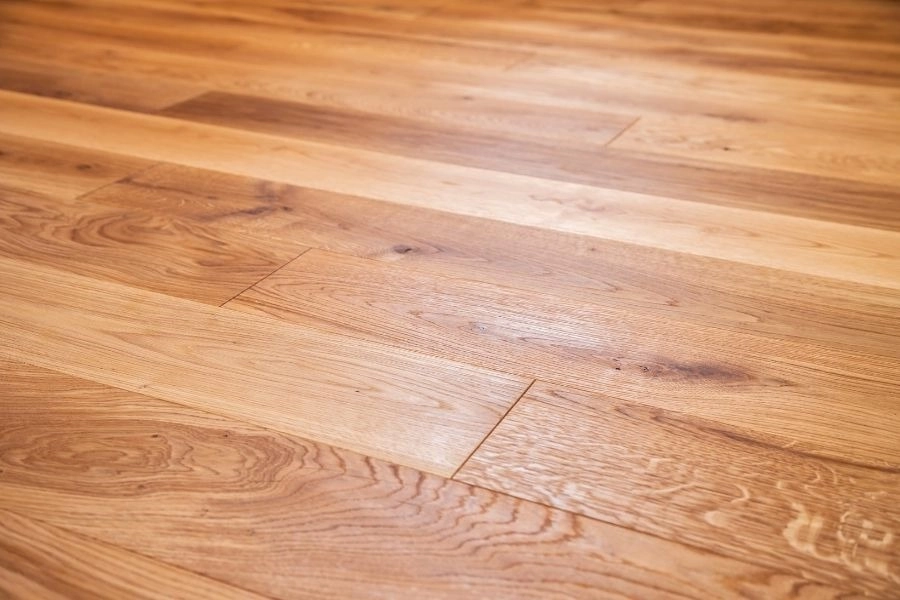
Moisture damage in a Colorado home starts small: a musty smell in the basement, a window that fogs every morning, a hardwood board that lifts at the edges. The dry Front Range air hides these problems longer than a humid climate would, so by the time an owner notices, the damage is already behind the drywall or under the flooring. Here is what to look for, what causes it at 5,280 feet, and what it costs to fix before it turns into a repair credit at closing.
The first signs are almost never a puddle. Watch for a musty odor near the sump pit or crawl space access, paint that bubbles or peels on an exterior wall, a baseboard that separates from the drywall, and a wood floor with edges that curl upward (cupping). Efflorescence — a white, chalky mineral stain on a basement wall — means water has moved through the concrete and left salts behind as it evaporated. Any one of these on its own is a repair. Two or more in the same room point to an ongoing leak.
Denver averages under 16 inches of precipitation a year, but moisture damage does not track annual rainfall — it tracks how fast water gets away from the house. A downspout that dumps six feet from the foundation, a sprinkler head aimed at the siding, or an AC condensate line that drains next to a crawl space vent will soak one spot for months even in a dry year. Low humidity indoors (commonly under 30% in winter) also dries out wood trim and hardwood floors, and that seasonal shrink-and-swell cycle is what causes cupping and gapping, not standing water.
Much of the Front Range sits on bentonite clay, which expands when it gets wet and contracts as it dries. That movement opens hairline cracks in poured foundation walls and basement slabs, and those cracks become the path water takes during spring snowmelt and summer downpours. A crack under 1/8 inch is cosmetic in most cases; anything wider, or a crack that is damp to the touch, needs a foundation contractor's opinion before a home goes on the market.
A musty smell is off-gassing from mold or mildew growing on a damp surface — framing, drywall paper, carpet pad, or stored cardboard. It shows up fastest in basements finished before 2000, when vapor barriers under slabs were less common. The fix starts with finding and stopping the moisture source, not with air fresheners or paint. The CDC's mold guidance is a solid starting point for cleanup steps once the source is controlled.
Single-pane and older double-pane windows lose heat fast in a 10-degree Denver night, and warm indoor air hits that cold glass and drops its moisture right on the sill. A little condensation on a cold morning is normal; water that runs down and pools on the sill every day for weeks will rot wood trim and stain drywall below the window. Cracking a window for a few minutes a day, running a bath fan longer, and adding storm windows all cut it down.
Colorado's magnesium chloride de-icer keeps driveways and walks clear, but it also carries salt-laden meltwater against the foundation if the ground slopes toward the house instead of away from it. Grading should drop at least 6 inches over the first 10 feet from the foundation. Where that slope is missing, water pools against the wall every time the snow melts, and that repeat soaking is a common cause of basement seepage that owners blame on "just a wet spring."
Cupping (edges higher than the center of each board) means the underside of the floor is picking up more moisture than the top — commonly from a crawl space, a slab without a vapor barrier, or a slow plumbing leak underneath. Buckling, where boards lift off the subfloor entirely, means the wood has taken on enough water to separate from the adhesive or nails and needs professional drying before any refinishing is worth doing.
Costs vary by what moisture damaged and how long it sat. A homeowner should budget by category, not by a single number, because a stained ceiling and a soaked subfloor are different jobs entirely.
| Moisture issue | Typical Front Range repair cost |
|---|---|
| Interior crack injection (foundation) | $400 – $1,500 per crack |
| Exterior waterproofing and re-grading | $3,000 – $15,000 |
| Sump pump install or replacement | $800 – $2,200 |
| Cupped hardwood floor drying and refinish | $1,500 – $6,000 |
| Buckled floor replacement (per room) | $2,000 – $5,000 |
| Mold remediation, one room | $1,500 – $8,000 |
| Crawl space vapor barrier | $1,500 – $4,500 |
Most Colorado homeowners policies cover sudden water damage — a burst pipe or a failed water heater — but exclude gradual seepage and the mold that grows from it. If a homeowner can trace the stain back more than a few weeks, insurers treat it as a maintenance issue rather than a covered loss. That is one more reason to fix small leaks the week they are found.
Mold needs a moisture source, not humidity in the air, so a dry climate does not rule it out. Basements, crawl spaces, and bathrooms without exhaust fans running to the exterior create their own damp micro-climate no matter what the outdoor humidity reads. A property with a finished basement built before code required a sump pit and drain tile is worth a closer look during inspection.
Colorado's seller property disclosure form asks directly about past water intrusion, foundation repair, and known mold. A seller who has had a leak repaired should disclose it and keep the repair invoice — a documented, completed repair reads very differently to a buyer than an unexplained wet spot found during a walkthrough. Leaving it off the form because it was "fixed years ago" is the single most common way small moisture issues turn into a bigger dispute after closing.
Under the Colorado Contract to Buy and Sell Real Estate, the buyer's inspection objection deadline is the window to raise repair requests, including anything a home inspector flags as active moisture, mold, or a foundation crack. A seller who addresses the obvious signs above — grading, a running dehumidifier, a documented crack repair — walks into that period with far less to negotiate than one who has not looked at the basement in years.
Walk the crawl space or unfinished basement corners twice a year: once in April after the bulk of snowmelt, and once in September before hail season and the first hard freeze. Check window sills after any stretch of single-digit nights, and look at gutters and downspouts every fall before leaves clog them.
Many Front Range HOAs and metro districts control exterior changes — regrading, adding a window well cover, or altering stucco or siding — through an architectural review process. A homeowner planning exterior waterproofing work should check the HOA's rules before the contractor starts, since some communities require a submitted plan even for grading changes.
A homeowner can extend a downspout, add a window well cover, or run a dehumidifier without help. Anything involving a foundation crack, a crawl space with standing water, or a musty smell that returns after cleaning needs a licensed waterproofing or structural contractor, because the wrong fix (painting over an active crack, for example) hides the problem instead of solving it.
An unresolved moisture issue does not just cost the repair price — it costs the seller a stronger negotiating position. Buyers who see a stained basement wall assume the worst and price in a bigger discount than the actual repair would cost. Fixing it before listing, and pricing the home with a Smart Pricing Report that accounts for the work done, keeps that value with the seller instead of handing it to the buyer at the negotiating table.
For a full pre-listing checklist, the Kenna Real Estate Group's guide to preparing and adding value before selling and Colorado Home Seller's Guide both cover moisture and foundation items alongside the rest of a pre-list punch list. Ask for the printable pre-listing moisture checklist in the form below and we email it the same day.
Whether a moisture issue needs to be fixed before listing or factored into an offer on a home already showing signs of it, the Kenna Real Estate Group walks Front Range buyers and sellers through the repair, the disclosure, and the number that makes sense on paper. Call or text 303-955-4220. A live person answers. Not a robot, not a phone tree. Ready to look at homes instead? Search every home for sale in Colorado.
Questions about any home in Colorado? Call or text 303-955-4220. A live person answers.
Yes, light condensation on a cold morning is normal. Water that pools on the sill daily for weeks points to a bigger heat-loss or humidity problem and can rot the trim.
A crack under 1/8 inch that stays dry is cosmetic in most cases. Anything wider, or damp to the touch, needs a foundation contractor's opinion before listing.
No. Mold needs a moisture source, not humidity in the air, so basements and crawl spaces with a leak grow mold in Denver the same as anywhere else.
A white, chalky mineral stain left behind after water moves through concrete and evaporates. It signals past or ongoing moisture, even without a visible leak.
At least 6 inches of drop over the first 10 feet from the foundation wall, enough to move snowmelt and rain away before it pools.
Yes, on the seller property disclosure form, along with the repair invoice if available. An unexplained wet spot found later raises more concern than a documented fix.
Walk the crawl space and basement corners, check for musty odors, and look at baseboards and window sills for staining before writing an offer.


