New - 30 Mins Ago
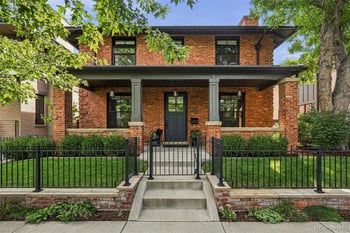
$3,100,000
Coming Soon
6
Beds
5
Baths
4976
Sqft
0.14
Acres
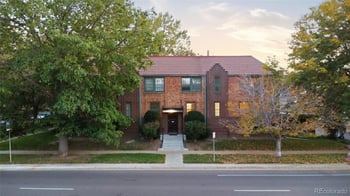
1134 S York St, Denver, CO 80210
MLS#: REC8518113
.jpg)


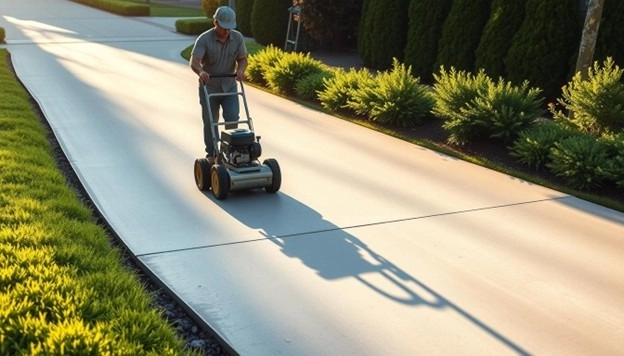
Concrete lifting raises a sunken driveway, sidewalk, or patio slab back to level by injecting material underneath it, instead of demolishing and pouring new concrete. On the Front Range, where expansive clay soil and freeze-thaw cycles sink and tilt slabs within a few years of a new pour, lifting costs a fraction of replacement and returns the surface to use the same day.
Much of the Front Range sits on bentonite clay soil, which swells when it absorbs water and shrinks as it dries out. That swell-shrink cycle, repeated every wet spring and dry summer, pushes and pulls at whatever sits on top of it, including a driveway or sidewalk slab. Add freeze-thaw cycles through a Colorado winter, where water in the soil freezes, expands, and heaves the ground upward, then thaws and settles again, and a slab poured on unstable base material sinks, tilts, or cracks within a handful of seasons.
Watch for these indicators on a driveway, sidewalk, or patio:
Two methods cover most residential jobs on the Front Range:
Polyurethane foam injection pumps expanding foam through holes as small as 5/8 inch, which fill and lift the slab as the foam cures. The foam sets within 15 to 30 minutes and the surface takes normal use again the same day. It resists water and will not erode over time the way older lifting materials can.
Mudjacking (slabjacking) pumps a cement-and-soil slurry through larger holes, 1.5 to 2 inches, to fill voids and lift the slab. It costs less per square foot than foam but takes longer to cure, and the added weight of the slurry adds extra load to soft Front Range clay, which shortens the fix's working life compared to foam.
| Method | Hole size | Cure time | Typical warranty |
|---|---|---|---|
| Polyurethane foam injection | 5/8" to 3/4" | 15 to 30 minutes | 3 to 5 years |
| Mudjacking (slabjacking) | 1.5" to 2" | 24 to 72 hours | 1 to 2 years |
A Front Range driveway lift runs $600 to $2,500 depending on square footage and the number of sunken sections; a sidewalk or walkway section runs $300 to $900; a patio runs $500 to $1,800. Full replacement of the same driveway runs $4,000 to $9,000 for a standard two-car width, and a full patio tear-out and repour runs $3,000 to $8,000. Lifting saves 60% to 80% of the replacement cost in most cases, since the existing slab is reused rather than demolished and hauled away.
Concrete lifting works when the slab itself is sound: no cracks wider than 1/4 inch, no crumbling edges, and no rebar exposed or corroded. It fixes settlement, not slab damage. Full replacement is the right call when a slab has multiple wide cracks, is broken into three or more pieces, or has surface spalling from years of Colorado's deicing salt and mag chloride use on driveways that connect to a treated street. A concrete contractor should inspect the slab in person before quoting either option, since a slab that looks lift-ready from a distance can have hidden cracking underneath.
Polyurethane foam injection needs ground and surface temperatures above about 40°F to bond correctly, which narrows the practical lifting season on the Front Range to roughly March through November most years, with exceptions during a warm winter stretch. Mudjacking has similar temperature limits since the slurry needs time to cure before a freeze. Schedule lifting for late spring through fall when possible, and expect a winter quote to come with a temperature-dependent start date.
Most Front Range HOAs require a sunken or cracked driveway to be repaired within a set timeframe after notice, since it is treated as a maintenance issue rather than an aesthetic one. Concrete lifting satisfies that requirement in most governing documents because it restores the original surface rather than changing its material or color; confirm with your HOA's architectural guidelines before scheduling if the community requires pre-approval for any concrete work.
Denver, Aurora, and most Front Range cities do not require a permit for lifting an existing driveway or sidewalk slab, since no new concrete is poured and no drainage pattern changes. A full replacement, especially one that changes the slab's footprint, slope, or connects to a public sidewalk, needs a right-of-way permit from the city in most cases. Confirm with your local building department before a replacement project, since sidewalk sections adjacent to the public right-of-way are treated differently from a private driveway or patio.
Douglas, Jefferson, and Adams County each run separate permit rules for unincorporated properties outside city limits, so a home on a county road follows a different process than one inside Denver, Aurora, or Lakewood city limits. Call the county building department directly if the address sits outside an incorporated city; permit and inspection timelines differ enough between jurisdictions to change a project's schedule by several weeks.
A sunken or cracked driveway shows up on nearly every buyer's walkthrough and in inspection photos. Lifting a minor settlement issue before listing costs far less than the price reduction a buyer negotiates after an inspection flags a trip hazard or drainage problem. Document the lift with the contractor's invoice and warranty and keep it with the seller's disclosure so the buyer's inspector sees the fix was professional, not cosmetic.
Colorado's purchase contract gives a buyer a set inspection objection deadline to raise repair requests after the inspection. A driveway or sidewalk settlement issue found during that window becomes a negotiating point, either as a request for a credit or a request that the seller complete the repair before closing. A seller who lifts the slab ahead of listing removes that item from the table entirely and keeps the inspection focused on the roof, systems, and structure instead.
Ask any Front Range contractor for three references from jobs completed in the last two years, proof of Colorado liability insurance, and a written warranty that states the covered years and what voids it, such as a new drainage problem the homeowner creates later. Get at least two quotes before committing, since foam and mudjacking pricing varies by contractor and by how many holes a specific job needs.
The Kenna Real Estate Group helps Front Range sellers decide which exterior fixes are worth doing before listing and helps buyers read a slab problem correctly during a showing instead of walking away from a home over a fixable issue. Call or text 303-955-4220. A live person answers. Not a robot, not a phone tree. Or search every home for sale in Colorado to see what's on the market right now. Ask for the printable pre-listing exterior repair checklist in the form below and we email it the same day. Learn more about concrete lifting methods and get a quote from a local provider before deciding between lifting and replacement.
Questions about any home in Colorado? Call or text 303-955-4220. A live person answers.
Bentonite clay soil under most Front Range homes swells when wet and shrinks when dry, and combined with winter freeze-thaw cycles, that movement sinks or tilts a slab within a handful of seasons of a new pour.
A driveway lift runs $600 to $2,500, a sidewalk section runs $300 to $900, and a patio runs $500 to $1,800, depending on square footage and how many sections are sunken.
Lifting saves 60% to 80% of the cost of a full replacement in most cases, since the existing slab is reused instead of demolished and hauled away.
The foam sets within 15 to 30 minutes and the surface takes normal use again the same day, compared to 24 to 72 hours for mudjacking.
Polyurethane foam and mudjacking both need surface and ground temperatures above roughly 40°F to bond and cure correctly, which limits most lifting work to March through November.
Most HOAs require a sunken or cracked driveway to be repaired within a set timeframe after notice, and concrete lifting satisfies that requirement in most governing documents since it restores the original surface.
No, lifting an existing slab does not require a permit in most jurisdictions since no new concrete is poured. A full replacement that changes the slab's footprint or touches the public right-of-way needs one in most cases.
Yes. A sunken or cracked driveway shows up in inspection photos on nearly every walkthrough, and lifting it before listing costs far less than the price reduction a buyer negotiates after the inspection flags it.